You Won’t Believe What I Found in Nakuru’s Hidden Art Scene
Nakuru, Kenya, is more than flamingos and lakes—it’s a cultural heartbeat. I went looking for birds but stayed for the murals, music, and makers. What I discovered was unexpected: vibrant studios, grassroots galleries, and artists turning everyday life into powerful expression. This isn’t just a stopover town—it’s a creative hub waiting to be seen. If you’re chasing authentic culture, Nakuru should be on your radar.
Why Nakuru? Beyond the Postcard
Nestled in Kenya’s Rift Valley, Nakuru has long been celebrated as a gateway to natural wonders. Lake Nakuru National Park, with its shimmering alkaline waters and legendary flocks of pink flamingos, draws thousands of visitors each year. The city itself often plays second fiddle—a convenient base for safari-goers, a fuel stop on the way to Naivasha or Nairobi. But beneath this familiar narrative lies a quieter, more profound transformation. While travelers snap photos of wildlife, a different kind of beauty is unfolding on the streets: bold colors splashed across concrete walls, rhythmic drumming echoing from community halls, and hand-carved sculptures emerging from reclaimed wood.
What many overlook is that Nakuru is not just a nature destination—it is becoming a cultural crossroads. The city’s population, a blend of Kikuyu, Kalenjin, Luo, and other communities, brings together diverse traditions, languages, and artistic expressions. This mix, combined with a growing youth movement and increasing access to education and digital tools, has sparked a renaissance in local creativity. Unlike the curated galleries of Nairobi or Mombasa, Nakuru’s art scene thrives on raw authenticity. It’s unpolished, urgent, and deeply rooted in lived experience. Artists here are not chasing international fame; they are telling stories that matter to their neighborhoods, schools, and families.
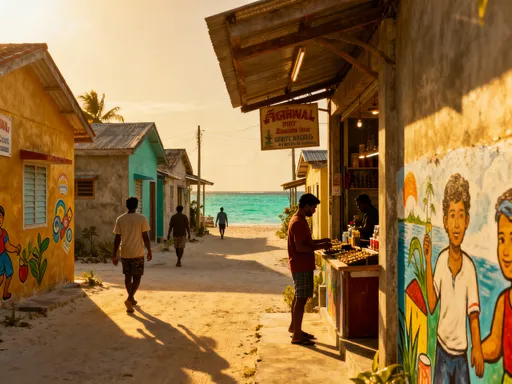
The shift from passive observer to active participant in cultural life is evident. Where once blank walls stood ignored, now murals depict scenes of resilience—mothers carrying water, students walking to school, trees being planted in deforested areas. These are not decorative flourishes but visual dialogues about identity, environment, and hope. The city’s infrastructure may still bear the marks of rapid urbanization, but its soul is being reshaped by those who call it home. For the mindful traveler, this means an opportunity: to witness art not as a product, but as a process—one that invites engagement, reflection, and connection.
The Rise of Street Art in the City Center
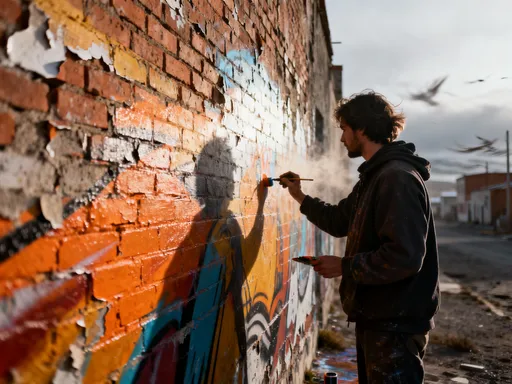
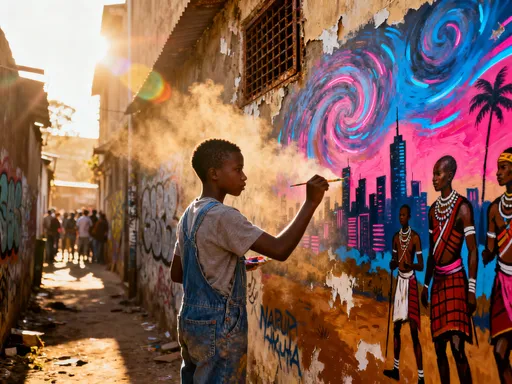
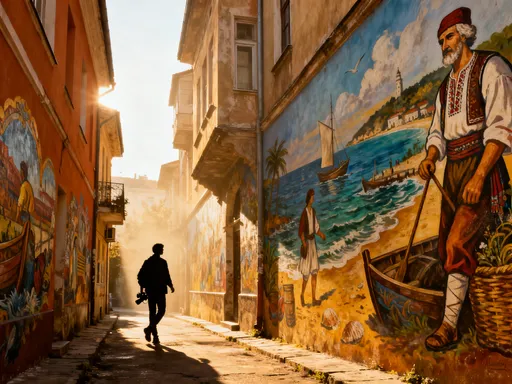
Walking through central Nakuru today feels like stepping into an open-air museum. Once-drab alleyways between market stalls and bus stops have become canvases for some of the most compelling visual storytelling in East Africa. In the area around Jamia Mosque and along Menengai Road, large-scale murals stretch across building facades, transforming the urban landscape into a living gallery. These works are not random acts of graffiti; they are carefully planned, community-approved expressions of pride, protest, and possibility.
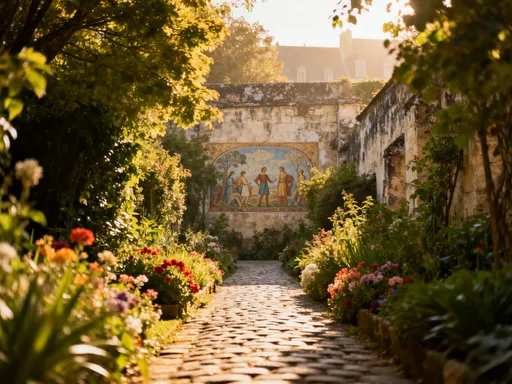
One of the most striking pieces, located near the old post office, shows a young girl holding a book in one hand and a paintbrush in the other, her eyes fixed on the horizon. Behind her, a tree grows from a cracked pavement, its branches forming the silhouette of Kenya. The mural, painted by a collective known as Rift Roots, carries the message “Education is Our Soil.” Another wall, near the municipal market, features a vibrant collage of faces—elders, farmers, teachers—each rendered in bold geometric patterns inspired by traditional beadwork. These images speak to unity and intergenerational strength, reminding passersby that progress begins with respect for the past.
The themes explored in Nakuru’s street art are both local and universal. Environmental degradation, access to clean water, gender equality, and youth empowerment recur throughout the city’s painted narratives. Artists often collaborate with schools and environmental groups to ensure their messages resonate beyond aesthetics. For instance, a recent project along the Nderu River corridor used murals to raise awareness about pollution, depicting fish struggling in plastic-choked waters alongside children planting native trees. These visual campaigns have helped galvanize clean-up efforts and inspired local conservation initiatives.
Importantly, much of this work is supported by legal frameworks and community buy-in. Unlike in cities where street art is criminalized, Nakuru has seen a rise in municipal and NGO-backed programs that designate specific zones for public art. The Nakuru Arts Initiative, launched in 2021, provides permits, materials, and training for emerging artists, ensuring that creativity flourishes within safe and inclusive boundaries. As a result, walking through the city becomes more than a commute—it becomes a journey through the collective conscience of its people.
Meeting the Makers: Studios and Artist Collectives
Behind every mural, sculpture, and textile is a story of dedication, often born in modest studios tucked away in residential neighborhoods. A short drive from the city center leads to Bahati Estate, where a cluster of artists shares a converted warehouse known as Kazi Mtaani Studio. The name, which translates to “Work in the Community,” reflects their mission: to create art that serves and sustains. Inside, the space hums with activity—hammers tapping, brushes sweeping, looms clicking. Canvases lean against walls, some half-finished, others ready for exhibition. Sawdust litters the floor, mingling with the scent of oil paint and fresh wood.
One of the founding members, Josephine Wanjiku, trained as a fine artist in Nairobi but chose to return to Nakuru to mentor young talent. “Art shouldn’t only live in museums,” she says, sanding down a wooden relief of a Maasai warrior. “It should be in schools, in homes, in the streets.” Her work blends traditional motifs with modern techniques, often using recycled materials—driftwood from Lake Nakuru, discarded metal, old fabric scraps. This resourcefulness is not just artistic; it’s economic. Many artists in Nakuru operate with limited funds, relying on ingenuity to turn scarcity into innovation.
Visitors are welcome at Kazi Mtaani, and the artists encourage interaction. For a small donation, guests can watch demonstrations, try their hand at basic carving or painting, or purchase directly from the studio. There’s no formal shop—just a table with price tags written in neat handwriting. A hand-carved bird might cost 500 KES; a painted canvas, 2,000 KES. Every sale supports not just the individual artist but the collective’s shared expenses: rent, utilities, supplies. Some proceeds also fund weekend art classes for children in nearby informal settlements.
Other collectives, like Ulinzi Arts Group in Milimani, focus on performance and visual art fusion. They host monthly “Open Studio Nights,” where poets, musicians, and painters collaborate in real time. These events draw crowds of locals and a growing number of tourists, creating a space where culture is not performed but lived. The accessibility of these studios—both physically and emotionally—makes them powerful anchors in the community. They are not ivory towers but open doors, inviting all to witness, participate, and belong.
Cultural Hubs: Where Art Comes Alive
Beyond studios, Nakuru’s creative energy pulses in community spaces where art is not just displayed but experienced. One such place is Jamii Space, a multi-purpose cultural center located near the railway station. Housed in a renovated colonial-era building, Jamii—meaning “community” in Swahili—hosts rotating art exhibitions, poetry slams, film screenings, and craft workshops. The walls change monthly, featuring works from local painters, photographers, and textile artists. A recent exhibit, titled “Voices of the Valley,” showcased portraits of women farmers, their faces framed by patterns inspired by the furrows of their fields.
Jamii Space operates on a pay-what-you-can model, ensuring that cost is never a barrier to participation. Events typically begin in the late afternoon, allowing families to attend after work or school. On Fridays, the center hosts “Art & Tea,” a relaxed gathering where visitors sip chai, browse displays, and chat with artists. The atmosphere is warm and unpretentious—chairs are mismatched, music plays softly in the background, and children often wander in to draw at the communal table. It’s the kind of place where connections form naturally, where a traveler might leave with not just a painting, but a new friend.
Another vital hub is Ripples Café, a locally owned coffee shop on Kimathi Avenue that doubles as a gallery. Every six weeks, the walls are repainted and new works are installed, often by emerging artists under 25. The café partners with nearby vocational schools, giving students a platform to showcase their talent. A cup of coffee costs around 150 KES, and a percentage of sales from art purchases goes directly to the artist. The menu even features items named after local landmarks—“Flamingo Latte,” “Menengai Mocha”—tying the café’s identity to the city’s spirit.
These spaces are more than venues; they are catalysts. They provide stability in an often-uncertain creative economy, offering rehearsal rooms, storage, and networking opportunities. They also serve as informal educators, introducing residents and visitors alike to new forms of expression. Whether it’s a teenager learning to rap in Swahili at a youth poetry night or a grandmother discovering printmaking for the first time, these hubs make culture accessible to all. Their doors are open not just to audiences, but to participation—because in Nakuru, art is not something you watch. It’s something you do.
Markets with Meaning: Craft and Culture in Motion
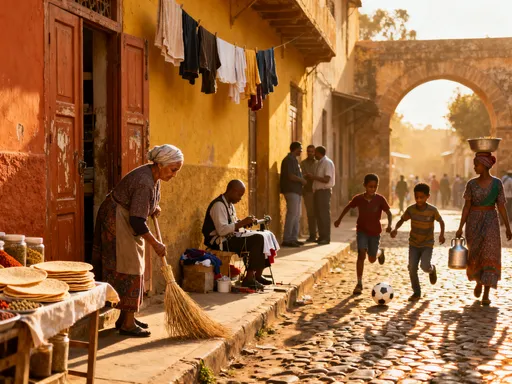
No exploration of Nakuru’s art scene is complete without a visit to its bustling markets, where craftsmanship meets daily life. The Nakuru Municipal Market, a sprawling complex of stalls and covered walkways, is a sensory feast of colors, scents, and sounds. Amid the piles of fresh produce and household goods, artisans sell handmade items that reflect both tradition and innovation. Woven baskets dyed with natural pigments sit beside beaded jewelry that blends Kikuyu patterns with contemporary designs. Wooden carvings of animals and ancestors stand tall on cloth-covered tables, each piece shaped by hand and imbued with meaning.
One vendor, Margaret Chebet, has been selling pottery in the market for over two decades. Her clay pots, shaped using techniques passed down from her grandmother, are functional and beautiful—used for cooking, storing water, or as decorative pieces. “Each curve has a purpose,” she explains, running her fingers along the rim of a newly fired vessel. “And each one carries a prayer.” She uses local clay from the slopes of Menengai, firing her work in a small kiln behind her stall. Tourists often pause to watch her mold the clay, fascinated by the slow, deliberate process in a fast-paced world.
Other artisans specialize in textiles. At a nearby stall, a group of women from the Molo region sell kikoi wraps and table runners embroidered with motifs from Kalenjin folklore—leaping antelopes, circling eagles, flowing rivers. These fabrics are not mass-produced; each stitch is made by hand, often during evening hours after domestic duties are complete. Buying from these vendors does more than support individual livelihoods—it sustains entire family networks and preserves cultural knowledge that might otherwise fade.
For travelers, shopping here is not just about souvenirs—it’s about connection. The key is to engage respectfully. Ask questions. Learn the names of the makers. Understand the time and skill behind each item. Bargaining is common, but fairness matters. Offering a fair price acknowledges the value of the work and the dignity of the artisan. And when you carry a hand-carved spoon or a handwoven basket home, you carry with it a piece of Nakuru’s soul—a story of resilience, creativity, and community.
How to Experience Nakuru’s Culture Like a Local
To truly appreciate Nakuru’s artistic pulse, plan a day that mirrors the rhythm of its residents. Begin in the morning, when the air is cool and the light is soft. Head to Kazi Mtaani Studio for a guided tour—most artists welcome visitors between 9 a.m. and 11 a.m. Watch a carving demonstration, try your hand at painting, and perhaps commission a custom piece. From there, take a short matatu (minibus) ride to Jamii Space, where a new exhibit may have just opened. Spend an hour exploring the gallery, then join the midday tea session if available.
For lunch, stop by Ripples Café. Order a local coffee and a snack—maybe a mandazi (fried dough) or a samosa—and take in the artwork on the walls. After eating, stroll through the municipal market, allowing time to speak with vendors, take photos (with permission), and make thoughtful purchases. Late afternoon is ideal for a walk through the city center to see the murals in golden light. Bring a notebook or camera to document the ones that move you.
In the evening, check the event calendar at Jamii Space or Ulinzi Arts Group. You might catch a poetry night, a live painting session, or a community theater performance. These events usually start around 6 p.m. and last two to three hours. Dress comfortably, bring a small donation if requested, and be open to conversation. Many locals are eager to share their stories with respectful visitors.
Getting around is easy. Matatus run frequently and are affordable—most rides cost between 50 and 100 KES. Taxis are also available, and ride-hailing apps like Bolt operate in the city. For those with more time, renting a bicycle offers a peaceful way to explore at your own pace. The best times to visit are during school terms, when art programs are active, or around cultural festivals like the Rift Valley Art Week in October, when the city comes alive with exhibitions, workshops, and performances.
When engaging with the community, remember a few simple etiquette rules: greet people with “Habari” or “Jambo,” ask before taking photos, and dress modestly. Safety in central Nakuru is generally good, especially during daylight hours, but it’s wise to stay aware of your surroundings and keep valuables secure. Above all, approach the experience with humility and curiosity. This is not a performance for tourists—it is a living culture, shaped by real lives and real struggles.
Why This Matters: Preserving Culture Through Travel
Travel has the power to do more than entertain—it can uplift, preserve, and transform. When you visit Nakuru not just for its flamingos but for its frescoes, when you buy a pot from Margaret instead of a factory-made trinket, you become part of a larger story. You support artists who are keeping traditions alive, mentoring youth, and beautifying their communities. Your presence validates their work, reminding them that their voices matter beyond the city limits.
Conscious tourism strengthens local economies in ways that are sustainable and dignified. Unlike large resorts that siphon profits abroad, spending at community studios, cafés, and markets keeps money within the neighborhood. It funds school supplies, art materials, and family needs. It creates jobs and inspires pride. And it sends a powerful message: that culture is not a relic of the past, but a living, breathing force that deserves investment and respect.
On a deeper level, engaging with Nakuru’s art scene fosters human connection. It breaks down stereotypes and builds empathy. It reminds us that creativity is universal, even when its forms differ. A mural of a girl with a book speaks the same language of hope whether you’re from Kenya or Kentucky. A handwoven basket carries the same weight of love whether it sits in a Nairobi home or a New York apartment.
So the next time you plan a trip to Kenya, look beyond the postcard. Let Nakuru surprise you. Walk its streets with intention. Listen to its stories. Carry home not just memories, but meaning. Because this city is not just a destination—it is a testament to the enduring power of art, community, and the human spirit. And that is something worth believing in.