You Won’t Believe How Urban This Maldivian Island Feels
When you think of the Maldives, you imagine overwater bungalows and untouched sands—but Maafushi? It’s different. I went expecting silence and got street art, local cafes, and island rhythm. This isn’t just a beach stop; it’s a living, breathing community. Exploring its urban side was mind-blowing. From family-run guesthouses to bustling streets, Maafushi blends island soul with real everyday life. Let me take you through a side of the Maldives nobody talks about—the one with pulse, color, and character.
First Impressions: When Paradise Meets Pulse
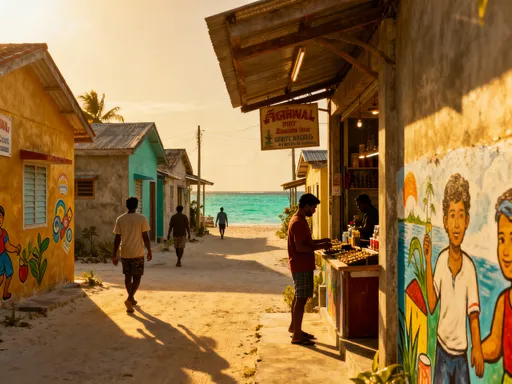
Stepping off the speedboat onto Maafushi, the first thing that strikes you isn’t the soft sand or the shimmering lagoon—it’s the sound of motorbikes. The hum of small engines weaves through the air, punctuated by laughter from a nearby schoolyard and the rhythmic clatter of a passing bicycle. Instead of silence, there’s a gentle buzz—like the island itself is whispering, ‘Welcome, I’m alive.’ The contrast with the Maldives’ usual postcard image is immediate. No private jetty, no resort valet—just a modest dock, a few locals waving, and a narrow paved path leading into a world where turquoise waters meet hand-painted street signs.
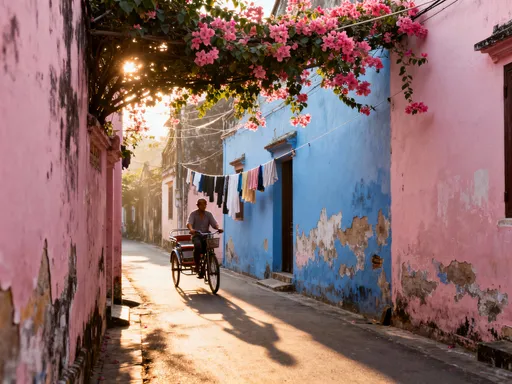
The island is just 1.4 kilometers long and less than half a kilometer wide, yet every inch feels intentional. Paved roads replace sandy trails, and small homes stand shoulder to shoulder behind flowering hedges. Brightly colored shutters frame windows where children wave shyly. Laundry flutters between buildings like island bunting. This is not a curated escape for the wealthy few; it’s a real place, lived in, loved, and carefully shaped by generations. Yet, the natural beauty remains undeniable—palm trees arch over sidewalks, and the scent of salt and frangipani lingers in the breeze.
What makes Maafushi so surprising is how it balances two identities: a tropical paradise and a functioning community. The beaches are pristine, the water crystal clear, but they’re shared—not privatized. Locals fish from the shore in the early morning; children splash in the shallows after school. Tourists stroll barefoot along the waterfront, cameras in hand, while residents carry grocery bags home from the market. There’s no wall between ‘them’ and ‘us’—just coexistence. This duality challenges the expectation that beauty must mean isolation. Here, beauty thrives alongside life.
The island’s energy is subtle but undeniable. It’s in the way neighbors greet each other by name, the way a fisherman pauses to point out the best snorkeling spot to a passing visitor. It’s not chaotic, not overwhelming—just present. Urban, in this context, doesn’t mean skyscrapers or traffic jams. It means rhythm. It means routine. It means people making a life, not just visiting one. And that, perhaps, is the most refreshing surprise of all.
The Heartbeat of the Island: Streets That Tell Stories
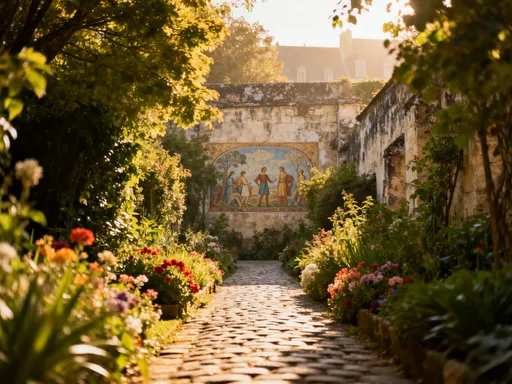
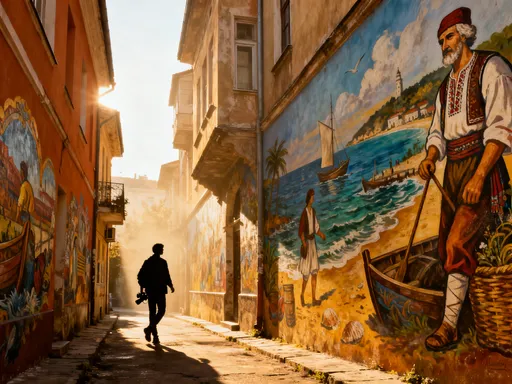
Walking through Maafushi’s main lanes is like reading a living journal. The streets aren’t wide, but they’re full of expression. Murals stretch across concrete walls—vibrant depictions of manta rays gliding through coral gardens, or a grandmother weaving palm fronds into baskets. Hand-painted signs advertise fresh coconuts, WiFi access, or snorkeling tours. One reads ‘Island Smile Café’ in looping cursive, another simply says ‘Cold Drinks’ with an arrow pointing down a side path. There’s no corporate branding, no neon—just personality etched in paint and patience.
Space is used with remarkable efficiency. A single corner might hold a juice stand, a tiny library box for book exchanges, and a bulletin board where lost flip-flops are reported and community events announced. School zones are marked with cheerful animal decals on the pavement. Shared courtyards double as playgrounds and evening gathering spots. Even the mosques, modest and white-domed, are woven into the streetscape—silent during the day, then echoing with prayer in the late afternoon. These aren’t just functional spaces; they’re social anchors.
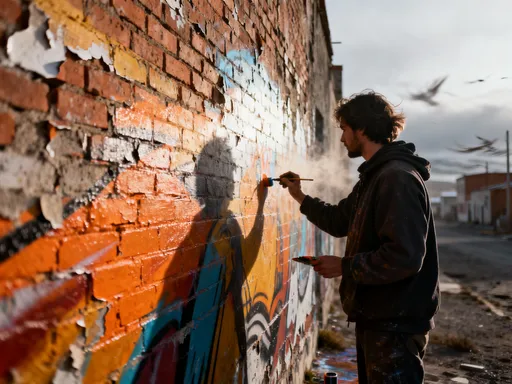
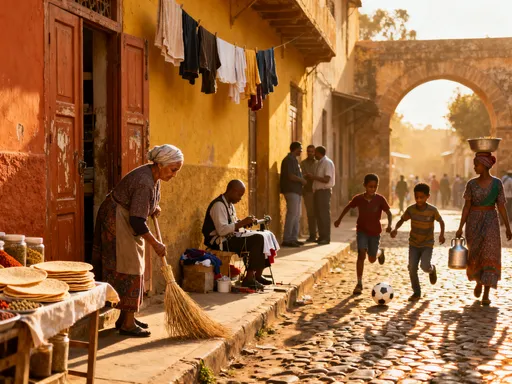
What stands out is how much life happens outdoors. Unlike cities where people retreat behind doors, Maafushi’s residents live in the open. Elderly men sit on low benches playing chess under shade trees. Women chat while hanging laundry. Teenagers gather near the basketball hoop donated by a visiting NGO. There’s a sense of ownership, of pride in shared space. Graffiti isn’t vandalism here—it’s storytelling. A mural of a whale shark, painted by a local artist, comes with a message: ‘Protect Our Blue Home.’ It’s urban expression with purpose.
And yet, the island never feels crowded. The population hovers around 1,500, with tourism carefully managed to avoid saturation. The density is human-scale—close enough for connection, open enough for breath. ‘Urban’ on Maafushi isn’t about congestion; it’s about connection. It’s about knowing your neighbor, recognizing the guesthouse owner who waves every morning, or the boy who delivers your breakfast with a grin. The streets don’t just lead to places—they lead to people.
Where Locals Live: Beyond the Resorts
To understand Maafushi, you have to step beyond the waterfront and into the residential lanes. Here, homes are modest but cared for—pastel-painted walls, tiled roofs, gardens bursting with hibiscus and lime trees. Many houses have small signs indicating they also operate as guesthouses. This isn’t accidental; it’s a deliberate shift in how the Maldives experiences tourism. While other islands are dominated by international luxury resorts, Maafushi embraced a different model—one where families open their homes, not just their beaches.
Land on Maafushi is privately owned, a rarity in a country where many islands are leased to foreign companies. This ownership gives residents long-term stakes in their community’s future. Homes are passed down through generations, and expansions are made thoughtfully—often adding a second floor for guests. There’s no reckless construction; building codes ensure harmony with the island’s size and resources. The result is a landscape that grows organically, not imposed from above.
Life here follows a quiet rhythm. At dawn, fishermen push their boats into the water, returning by mid-morning with silver catches. Kids in school uniforms walk in pairs, backpacks bouncing. In the afternoons, cricket matches erupt on the central field, with spectators shouting encouragement from plastic chairs. Evenings are for family—meals shared on verandas, stories exchanged over cups of sweet black tea. Tourism fits into this rhythm, not the other way around.
The guesthouse model reinforces this balance. Unlike resorts that import staff and supplies, Maafushi’s accommodations rely on local labor and goods. Breakfast might include bread from the island bakery, fruit from nearby farms, and eggs from a neighbor’s chickens. Guests eat with hosts, ask questions, learn phrases in Dhivehi. It’s hospitality rooted in relationship, not transaction. This integration protects cultural identity—tourists don’t just see tradition; they experience it as part of daily life.
Food as Urban Culture: From Street Stalls to Sunset Cafes
In Maafushi, food isn’t just sustenance—it’s social glue. The island’s dining scene is a mosaic of small-scale, locally run spots where meals double as meetings. At sunrise, the smell of fried dough and spiced potatoes fills the air—vendors preparing hedhikaa, a traditional set of savory snacks enjoyed with tea. These bite-sized treats—like bajiya (similar to samosas) and gulha (tuna-stuffed dumplings)—are passed hand to hand at bus stops, schools, and docks.
By midday, juice bars come alive. Fresh coconut water is poured into glasses with a splash of lime. Blenders whirl with mango, papaya, and soursop. One popular stall, run by a woman named Aminath, offers a ‘Sunset Special’—a mix of pineapple, mint, and a hint of ginger, served in recycled jars. Her stand, barely three feet wide, is a hub of conversation. Locals linger, tourists ask for recommendations, and children wait patiently for a sweet treat after school.
Evening brings the seaside grills to life. Small restaurants along the western shore fire up their barbecues, grilling reef fish, squid, and chicken marinated in turmeric and chili. Diners sit on low wooden benches, feet in the sand, watching the sky turn gold. These aren’t fancy places—menus are handwritten, cutlery is simple—but the atmosphere is rich. Families gather, friends reunite, and solo travelers are welcomed like old friends. Food becomes a bridge.
Sustainability is quietly woven into this culture. Many eateries use biodegradable plates or encourage reusable containers. Fish is sourced daily from local catches, reducing reliance on imports. Some guesthouses compost food waste to feed home gardens. There’s a growing awareness that Maafushi’s charm depends on its cleanliness and authenticity. Urban, in this sense, doesn’t mean wasteful—it means resourceful. It means making the most of what’s available, with care.
Getting Around: Foot-Powered Freedom
One of Maafushi’s most liberating features is its scale. The entire island can be crossed in 20 minutes on foot, making walking not just possible but pleasurable. There are no cars—only motorbikes, bicycles, and the occasional electric service cart used for deliveries. This absence of traffic noise creates a rare kind of urban calm. The dominant sounds are footsteps, laughter, and the distant lap of waves.
Paths are well-maintained, paved in sections and shaded by overhanging trees. They connect every part of the island: from the main dock to the guesthouse district, from the school to the mosque, from the market to the public beach. Signage is simple but effective—arrows point to ‘Snorkeling Area,’ ‘Public Restrooms,’ or ‘Bicycle Rental.’ Benches are placed at intervals, offering rest and views of the lagoon. The design is intuitive, shaped by decades of use rather than formal planning.
Bicycles are a popular choice for both locals and tourists. Rental shops offer sturdy, no-frills models for a few dollars a day. Riding along the shoreline path at sunset—wind in your hair, ocean on one side, village life on the other—is one of the island’s quiet joys. Electric carts, introduced in recent years, help elders and families with groceries, but they move slowly, preserving the island’s gentle pace.
This walkability shapes social life. You see the same faces every day—your guesthouse host, the juice seller, the schoolteacher. You learn names, exchange greetings, develop routines. A morning walk becomes a mini-community event. This isn’t incidental; it’s a feature of human-centered design. When movement is easy and safe, connection follows naturally. In a world where cities often feel isolating, Maafushi offers a lesson: urban life can be intimate, not impersonal.
Tourism Meets Community: The Guesthouse Revolution
The rise of guesthouses on Maafushi didn’t happen by accident—it was a policy-driven transformation. In the early 2010s, the Maldivian government relaxed restrictions, allowing local islanders to host tourists in their homes. This shift opened opportunities for communities like Maafushi to benefit directly from tourism, rather than watching profits flow to foreign-owned resorts. Today, over 100 guesthouses operate on the island, providing income for hundreds of families.
The model is simple but powerful. A family adds a few rooms to their home, hires a local cook, and markets online. Guests get affordable, authentic stays; hosts earn steady income. Unlike resorts that import nearly everything, guesthouses source locally—food, labor, supplies. This keeps money circulating within the island, strengthening the local economy. A study by the Maldivian Ministry of Tourism noted that community-based tourism on islands like Maafushi generates up to 60% more local income per tourist than traditional resorts.
But growth brings challenges. Waste management is a constant concern. With more visitors comes more plastic, more food scraps, more strain on limited infrastructure. The island has responded with recycling programs, composting initiatives, and public awareness campaigns. Single-use plastics are discouraged, and many guesthouses provide refillable water stations to reduce bottled water use.
Cultural preservation is another priority. Authorities and residents work together to ensure tourism doesn’t erode traditions. Alcohol is not sold on the island, in respect of local customs. Dress codes are gently enforced—shoulders and knees covered in residential areas. Visitors are welcomed, but with quiet expectations of respect. This balance—between openness and integrity—is what makes the model sustainable. Maafushi isn’t trying to be everything to everyone. It’s choosing to be itself, while sharing its life with the world.
The Future of Island Urbanism: Lessons from Maafushi
Maafushi offers more than a vacation—it offers a vision. In an era of climate change, over-tourism, and urban sprawl, this small island demonstrates how communities can grow without losing their soul. Its urbanism isn’t defined by size, but by substance. It’s dense, but not crowded. Modern, but not impersonal. Connected, but not chaotic. The island proves that even in paradise, human life can be structured, sustainable, and deeply social.
Other atolls are beginning to take note. Nearby islands like Fulidhoo and Dhigurah have adopted similar guesthouse models, focusing on low-impact tourism and community control. The Maldivian government now supports ‘community island’ designations, offering training and infrastructure grants to help more islands follow Maafushi’s path. The goal isn’t to replicate it exactly, but to learn from its principles: local ownership, environmental care, cultural respect, and human-scale design.
Urban planning often assumes growth means tall buildings and wide roads. Maafushi challenges that. Its streets are narrow, its buildings low, but its impact is deep. It shows that urban life can thrive on a human rhythm—where children play safely, elders move freely, and strangers become friends over shared meals. It redefines what it means to be ‘developed.’ Development isn’t about importing foreign luxuries; it’s about enhancing local strengths.
And perhaps most importantly, Maafushi reminds us that paradise doesn’t have to be silent to be sacred. It can hum with life and still be beautiful. It can have street art and school bells and bicycle bells and still feel like escape. Urban doesn’t have to mean overwhelming. It can mean alive. In a world searching for balance, Maafushi stands as a quiet example—small in size, but full of heart. It proves that even the most idyllic places can have a pulse. And sometimes, that pulse is exactly what makes them unforgettable.