This Road Trip Through Christchurch Changed How I See Food
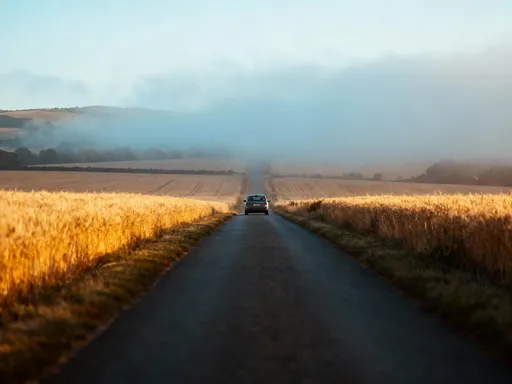
You know that feeling when a place just hits different? Christchurch, New Zealand, did that for me—but not in the way I expected. I hit the open road with no plan, just a full tank and hunger for real flavor. What I found wasn’t just cafes or markets—it was food with soul. From farm stalls to hidden bakeries, every bite told a story. The air smelled of damp earth and wood smoke, and the rhythm of the road matched the slow pulse of rural life. This isn’t just a trip; it’s a taste of how life should feel—connected, honest, and deeply rooted in place.
The Freedom of the Open Road: Why Self-Driving Transforms Your Journey
Driving through Christchurch and its surrounding countryside is not merely about transportation—it’s a way of engaging with the land on your own terms. When you rely on your own vehicle, you’re no longer bound by bus schedules or guided tour stops. You can leave the city in the early morning light, windows down, coffee in hand, and follow a faint scent of baking bread to a roadside oven tucked between rows of poplar trees. That’s exactly how I found a small family-run bakery near Lyttelton, where the owner pulled a loaf of rye from a wood-fired oven just as I pulled up. There was no sign, no online listing—just a routine morning for locals who knew exactly where to go.
Self-driving allows for spontaneity, and that’s where the real magic happens. One morning, I decided to skip the planned route and instead followed a narrow gravel road that wound up into the Port Hills. At the top, I stumbled upon a small orchard where a farmer was selling freshly picked feijoas by the jar. He offered me a sample still warm from the sun, and we ended up talking for nearly an hour about soil health and seasonal rhythms. These aren’t experiences you can schedule; they require the freedom to pause, explore, and listen.
Having your own wheels also means you can respond to subtle cues—the smell of roasting coffee, the sight of a hand-painted sign for ‘free-range eggs,’ or the sound of a farmer calling out from a roadside stall. In Diamond Harbour, I met a man selling cold-pressed olive oil from a folding table near his driveway. He didn’t have a brand, just glass bottles labeled with masking tape. But the oil—fruity, peppery, alive—was unlike anything I’d tasted. He explained how he pressed it himself just days before, using olives from trees his grandfather planted. That moment wasn’t about commerce; it was about connection. And it only happened because I could stop when I wanted, without worrying about missing a tour or breaking a schedule.
Christchurch Reimagined: More Than a City, It’s a Gateway
Christchurch is often seen as a transit point—a place you pass through on your way to Queenstown, Kaikōura, or the West Coast. But to treat it as just a stopover is to miss something essential. The city has undergone a profound transformation since the 2011 earthquakes, and with that rebuilding came a reimagining of its identity. Where concrete towers once stood, there are now green spaces, pop-up markets, and creative food hubs housed in repurposed shipping containers. The city’s food culture has become a living expression of resilience, innovation, and community.
The Riverside Market, open every Saturday, is a perfect example. Nestled along the Avon River, it’s a vibrant gathering of local producers, bakers, and artisans. You’ll find slow-fermented sourdough, raw honey from urban hives, and handmade sausages seasoned with native herbs. But more than the food, it’s the atmosphere that stands out—the hum of conversation, children chasing ducks, and the occasional busker playing folk tunes on an old guitar. This isn’t a tourist trap; it’s where locals come to reconnect with their city and each other.
Just a short drive from the city center, the landscape shifts dramatically. Within 20 minutes, you can be in a quiet valley where sheep graze on rolling hills and farmers sell produce from unmarked sheds. The proximity of urban energy and rural stillness is one of Christchurch’s greatest strengths. It allows for a kind of food journey that blends convenience with authenticity. You can start your day in a sleek café in New Regent Street, then by lunchtime be tasting apple cider at a family orchard in the foothills of the Southern Alps.
What’s more, the city’s recovery has inspired a wave of culinary entrepreneurship. Chefs who once worked in fine dining establishments have opened intimate neighborhood eateries focused on seasonal, hyper-local ingredients. Bakeries now highlight heritage wheat varieties, and dairy farms are experimenting with traditional cheesemaking methods. Christchurch isn’t just bouncing back—it’s evolving into a destination where food tells the story of renewal, one meal at a time.
Farm-to-Table, But Make It Personal: The Heart of Canterbury’s Food Culture
In Canterbury, farm-to-table isn’t a trend—it’s a way of life. Here, the distance between the land and the plate is often measured in footsteps, not food miles. I experienced this firsthand at a small organic farm near Rangiora, where a fourth-generation family grows everything from heirloom tomatoes to pasture-raised pigs. They welcome visitors to walk the fields, pick their own vegetables, and even help with harvesting if they’re willing. I spent an afternoon picking apples, my fingers sticky with juice, while the farmer’s wife showed me how to test ripeness by gently twisting the fruit from the branch.
Later, she invited me into the kitchen, where she was making apple butter in a cast-iron pot. She handed me a wooden spoon and asked me to stir—slowly, steadily, for nearly an hour. It was meditative, the way the fruit broke down into a rich, caramelized spread. As we stirred, she told me about her grandmother’s recipe, passed down through handwritten notes. That apple butter, served on warm sourdough the next morning, tasted like history, patience, and care.
Another stop brought me to a small dairy in the Canterbury Plains, where a couple produces raw milk cheese using milk from their own cows. They don’t pasteurize—instead, they rely on clean farming practices and careful aging to ensure safety and depth of flavor. I tasted a young brie, creamy and tangy, and a hard aged cheese that reminded me of nutty Parmesan. The farmer explained that their method takes longer and carries more risk, but the result is a product with character—something that reflects the terroir of their land.
What struck me most was the absence of pretense. There were no tasting fees, no branded merchandise, no Instagram backdrops. Just real food made by people who care deeply about how it’s grown and made. This isn’t performance; it’s daily practice. And when you’re invited to participate, even in a small way—stirring the pot, picking the fruit, tasting straight from the vat—you become part of that story.
Hidden Bites: The Underrated Spots Only Locals Know
Some of the most memorable meals I’ve had in Christchurch weren’t in restaurants at all. They happened at roadside stands, community halls, and family-run carts tucked away from main roads. These aren’t places you’ll find on a curated food tour—they’re part of the quiet fabric of daily life. One of the most profound experiences was on the drive toward Akaroa, a coastal village known for its French heritage and dolphin tours. Just before the final descent into town, I spotted a small wooden cart with a faded tarp and a chalkboard that read ‘Rewena Bread & Kelp Butter.’
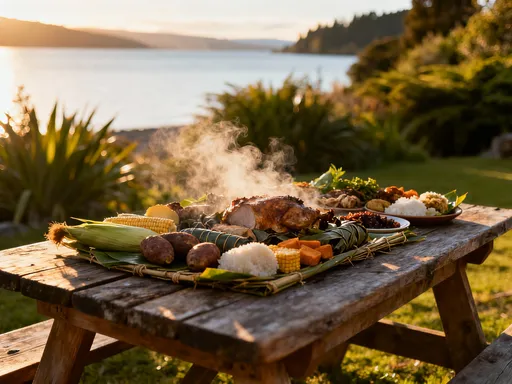
The woman behind the counter introduced herself as Hinewai, a local Māori grower and cook. She explained that rewena is a traditional Māori sourdough, leavened with fermented potato instead of commercial yeast. The bread had a slightly sweet, tangy flavor and a soft, chewy texture. But what made it extraordinary was the butter—whipped with dried sea kelp harvested from the shores of Banks Peninsula. The combination was unexpected: earthy, briny, and deeply satisfying. As I ate, Hinewai shared stories about her ancestors’ food practices and how she’s working to preserve them.
There was no cash register—just a honesty box for payments. No social media handles, no QR codes. This wasn’t about branding; it was about sharing. And that’s the essence of these hidden spots: they exist not to attract tourists, but to serve and sustain community. Another example was a seasonal stall near Darfield, where a farmer sold homemade pies made with free-range pork and garden vegetables. The sign said ‘Cash Only. Back in 30.’ I waited, and when he returned, we sat on a bench and ate together, talking about crop rotation and the best time to harvest rhubarb.
These moments remind me that real flavor doesn’t need fanfare. It thrives in simplicity, in tradition, in the quiet exchange between grower and eater. They’re not hidden because they want to stay secret—they’re hidden because they’ve never needed to be loud. And when you find them, it feels like a gift, not a discovery.
Driving the Flavors: Route Planning That Puts Food First
Planning a food-centered road trip through Christchurch and its surroundings requires more than just mapping distances—it’s about aligning your journey with the rhythms of nature and harvest. I designed a three-day loop that follows elevation, climate, and seasonality to create a natural flavor arc. Day one begins in the city with a visit to the Saturday farmers’ market, where you can stock up on fresh bread, cheese, and preserves for the road.
From there, head southwest into the foothills, where the air cools and the land becomes more rugged. Stop at a highland dairy in the Waimakariri District, where small-batch yogurt and fresh ricotta are made daily. The cool temperatures at this elevation are ideal for dairy production, and the cows graze on lush, mineral-rich grass. Have a mid-morning tasting, then continue toward the Waipara Valley, one of New Zealand’s most respected wine regions. Many vineyards here also have on-site kitchens serving seasonal dishes—think slow-roasted lamb with rosemary from the garden or beetroot salad with goat cheese and honey.
Day two takes you east toward the coast. The microclimate along the Banks Peninsula is perfect for seafood, and local fishers often sell directly from their boats or small harborside stalls. In Akaroa, you can buy fresh blue cod or Akaroa salmon, then have it cooked to order at a waterfront café. The sea breeze, the sound of gulls, and the simplicity of perfectly grilled fish make this a meal to remember. After lunch, drive inland through the hills, where orchards produce apples, pears, and cherries depending on the season. Late summer offers the best chance for fruit picking and homemade preserves.
On day three, return toward Christchurch through the Canterbury Plains, where expansive farmland supports everything from sheep grazing to grain production. Stop at a family-run bakery in a small town like Rolleston or Leeston, where sourdough is baked in wood-fired ovens early each morning. These bakeries often source flour from local mills that use heritage wheat varieties, giving the bread a deeper flavor and better digestibility. End your journey back in the city with a meal at a restaurant that highlights regional ingredients—perhaps a venison dish from the high country or a dessert made with manuka honey.
The key to this kind of trip is flexibility. Check with local information centers for seasonal availability, talk to farmers at roadside stands, and be willing to change plans based on what’s fresh. A detour for a pumpkin festival in autumn or a lamb roast in spring can become the highlight of your journey. When food leads the way, the road becomes a living menu.
Beyond the Plate: How Food Shapes the Landscape and People
What I learned in Christchurch is that food here is not separate from the environment or community—it’s woven into both. The way people grow, prepare, and share food reflects a deep respect for the land and a commitment to sustainability. I met a farmer in Selwyn who lost much of his crop to flooding but chose to rebuild using regenerative practices—planting cover crops, rotating livestock, and avoiding synthetic fertilizers. ‘The soil remembers,’ he told me. ‘If you care for it, it will feed you for generations.’
That philosophy extends beyond farms. In urban neighborhoods, community gardens are transforming vacant lots into productive green spaces. Schools are teaching children how to grow vegetables, and bakeries are partnering with local mills to revive ancient grain varieties. These efforts aren’t driven by trends—they’re responses to real challenges: climate change, food security, and cultural preservation.
I also spoke with a Māori elder who emphasized the concept of kaitiakitanga—the responsibility to care for the land as a guardian, not an owner. This worldview shapes how food is harvested, from gathering seaweed sustainably to hunting only what is needed. It’s a mindset that values balance, reciprocity, and long-term thinking. When you eat food grown with these principles, you’re not just consuming nutrients—you’re participating in a system of care.
And that changes how you relate to what’s on your plate. It’s no longer just fuel or entertainment. It becomes a reflection of choices—about land, labor, and legacy. In Christchurch, I saw how food can be a quiet act of resistance against industrialization, a way to preserve identity, and a bridge between cultures. It doesn’t need slogans or hashtags. It just needs to be made with intention, shared with respect, and eaten with gratitude.
Bringing It Home: How This Trip Changed My Relationship with Food
I returned from my road trip with more than souvenirs—I came back with a new way of seeing. I now look at food not just as something to eat, but as a story to uncover. I check labels, ask questions at farmers’ markets, and seek out producers who prioritize quality over quantity. I’ve started preserving seasonal fruits, fermenting vegetables, and baking bread from scratch—small acts that connect me to the rhythms I experienced in Canterbury.
I’ve also changed how I travel. Instead of chasing landmarks or ticking off attractions, I plan trips around harvests, festivals, and local food traditions. I now know that the best meals often happen off the map—in a backyard, a roadside stall, or a kitchen where someone is willing to share their recipe and their time. These moments aren’t just about taste; they’re about connection, presence, and slowing down.
Christchurch taught me that food travel isn’t about luxury or exclusivity. It’s about curiosity, humility, and openness to learning. It’s about driving down a gravel road because you smelled bread baking, or stopping to talk to a farmer because his tomatoes looked especially red. It’s about understanding that every bite carries a history, a choice, and a future.
The road didn’t just take me to new places—it reshaped how I taste the world. And now, wherever I go, I carry that lesson with me: that the most nourishing journeys are the ones that lead not just to new destinations, but to a deeper way of living.