You Won’t Believe What I Found in Hokkaido’s Hidden Commercial Streets
Hokkaido isn’t just about snow and seafood—its vibrant commercial areas are bursting with life, flavor, and unexpected charm. I wandered through bustling markets, quiet backstreet arcades, and modern shopping hubs, each telling a different story of local culture and urban energy. From steaming street food to handmade crafts, these spaces aren’t just for shopping—they’re where tradition meets everyday life. If you think you know Hokkaido, wait until you experience it from the heart of its city streets.
The Pulse of Sapporo: Odori and Susukino Uncovered
Sapporo, the capital of Hokkaido, pulses with a rhythm that shifts from day to night, and its two most iconic districts—Odori and Susukino—capture this transformation perfectly. Odori Park, a long green ribbon stretching across the city center, serves as Sapporo’s communal living room. By day, office workers sip coffee on benches, children chase pigeons, and joggers weave through flowerbeds. The park hosts major seasonal events, including the world-famous Sapporo Snow Festival, when massive ice sculptures illuminate the winter sky. Yet even in ordinary moments, Odori offers a rare balance: urban convenience and natural serenity coexist in a way few cities manage.
Beneath the park, a network of underground walkways connects department stores, cafes, and transit lines, shielding pedestrians from Hokkaido’s harsh winters. These tunnels are more than practical—they’re microcosms of city life, where salarymen grab onigiri before work and students meet after class. The blend of open space above and commercial flow below reflects Sapporo’s thoughtful urban design. Unlike cities that prioritize density over comfort, Sapporo integrates breathing room into its core, making it one of Japan’s most walkable metropolises.
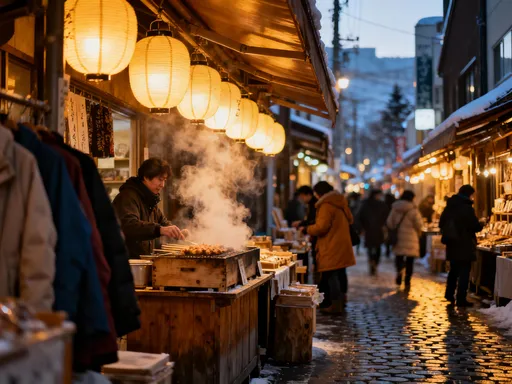
Just south of Odori lies Susukino, Sapporo’s entertainment heart. As daylight fades, neon signs flicker to life, casting colorful reflections on wet pavement. Restaurants spill onto sidewalks, filling the air with the scent of yakiniku and miso ramen. While Susukino is known for its nightlife, it’s also a place of genuine local energy. Izakayas buzz with after-work gatherings, and karaoke boxes echo with laughter. The district balances its reputation for revelry with real community function—convenience stores stay open late, taxi stands hum with activity, and public spaces remain well-lit and safe.
What makes this contrast powerful is not just the physical proximity of Odori and Susukino, but how they serve different human needs. One offers calm and connection to nature; the other delivers stimulation and social warmth. Together, they form a complete urban experience—one that respects both quiet reflection and joyful noise. For visitors, walking from Odori’s open plaza into Susukino’s glowing lanes is like turning pages in a story about city life in Hokkaido, each chapter more vivid than the last.
Nijo Market: A Morning Ritual Like No Other
If Sapporo has a morning soul, it lives in Nijo Market. Long before the department stores open, this covered marketplace is alive with movement and sound. Locals—many in wool hats and thick coats—move from stall to stall, inspecting glistening seafood, fresh vegetables, and steaming bowls of soup. The market is not designed for tourists; it evolved to serve the daily needs of residents, which is exactly what makes it so compelling. Here, commerce isn’t performative—it’s practical, personal, and deeply rooted in routine.
The air is rich with salt, smoke, and sweetness. At one counter, a vendor grills scallops over open flames, their edges curling into golden waves. Nearby, trays of sea urchin (uni) glisten like orange jewels, their briny aroma mingling with the smell of pickled ginger. A fishmonger demonstrates knife skills honed over decades, filleting a squid with precision that draws quiet admiration. Customers haggle gently, ask for recommendations, and often walk away with a warm “arigatou” and a small extra piece of sashimi tucked into their bag.
Nijo Market is not a museum of tradition—it’s a working marketplace where food moves fast and freshness is non-negotiable. Vendors know their regulars by face, and prices reflect seasonal abundance. In summer, baskets overflow with melons and corn; in winter, king crab legs and fatty salmon dominate. The market’s basement level houses small eateries where visitors can sit on stools and eat uni donburi or kaisendon (seafood rice bowls) while watching the morning unfold around them.
What sets Nijo apart from more tourist-focused fish markets is its authenticity. There are no staged performances or overpriced souvenirs. Instead, there’s a quiet dignity in the way business is conducted—respect for the product, the customer, and the craft. For travelers, spending a morning here is not just about tasting Hokkaido’s finest seafood; it’s about witnessing the rhythm of daily life, where food is not a luxury but a cornerstone of community. It’s a reminder that some of the most meaningful travel moments happen not in silence, but in the hum of a market at dawn.
Tanukikoji Shopping Arcade: Where Old Meets New
Spanning ten blocks in central Sapporo, Tanukikoji Shopping Arcade is a covered street that feels like stepping into a living timeline of urban Japan. The name, which references a mischievous raccoon dog from folklore, hints at the arcade’s playful spirit. Under its glass roof, sunlight filters through gently, illuminating a mix of old and new—a retro toy shop next to a modern cosmetics boutique, a traditional sweet shop beside a smartphone repair stand. This blend isn’t accidental; it’s the result of decades of organic growth, where small businesses adapt without losing their identity.
Walking through Tanukikoji is an exercise in discovery. One moment, you’re browsing vintage vinyl records in a dimly lit store that smells of old paper and dust; the next, you’re sipping matcha latte in a minimalist cafe with wooden stools and soft jazz. Artisans sell hand-carved chopsticks and embroidered tenugui (cotton towels), while teens flip through racks of secondhand denim and band tees. The arcade shelters more than shoppers—it shelters stories, skills, and generations of craftsmanship that might otherwise vanish in a world of chain stores.
What makes Tanukikoji especially valuable is its role in Hokkaido’s climate. During the long, snowy winters, the enclosed walkway becomes a vital public space. Parents push strollers without fear of icy sidewalks; elderly shoppers move slowly but safely between stores; students duck in after school to warm up with hot chocolate. The arcade isn’t just commercial—it’s social infrastructure. It’s where neighbors run into each other, where friendships form over shared lunches, and where small talk turns into community bonds.
Yet Tanukikoji is not frozen in time. In recent years, young entrepreneurs have opened design studios, organic bakeries, and concept stores that blend Hokkaido motifs with modern aesthetics. A shop might sell candles made with local soy sauce or notebooks printed with patterns inspired by Ainu embroidery. These additions don’t erase the arcade’s heritage—they enrich it, proving that tradition and innovation can coexist when given space to breathe. For visitors, Tanukikoji offers a rare glimpse into how a commercial space can be both functional and soulful, practical and poetic.
Beyond Sapporo: Commercial Life in Smaller Cities
While Sapporo dazzles with scale and variety, Hokkaido’s smaller cities offer a different kind of commercial charm—one shaped by intimacy, history, and local pride. In Asahikawa, located in the island’s interior, the Orion Shotengai (Orionshita Arcade) presents a quieter, more contemplative shopping experience. Covered and well-lit, the arcade feels like a warm embrace during winter. Unlike the bustling energy of Sapporo, Orionshita moves at a slower pace. Shoppers linger at small delis, sampling smoked cheese or handmade sausages, while elders sit in sunlit cafes reading newspapers.
The arcade’s design reflects Asahikawa’s identity—practical, resilient, and deeply connected to agriculture. Many stores sell locally produced goods: jars of wild berry jam, bottles of craft sake, and woolen scarves knitted by community groups. A family-run fish shop offers ayu and trout from nearby rivers, while a bakery specializes in milk bread made with Hokkaido dairy. These products aren’t marketed as souvenirs; they’re part of daily life, valued for their quality and origin. For visitors, shopping here feels less like consumption and more like participation in a regional rhythm.
In Hakodate, a port city in southern Hokkaido, commercial life unfolds on sloped streets and historic lanes. The Motomachi district, with its 19th-century brick warehouses and Western-style homes, feels like a bridge between Japan and the outside world. Boutiques sell lace goods, coffee beans roasted in small batches, and hand-painted ceramics. The area’s gentle inclines reward walkers with views of the bay, where ferries glide across the water like quiet thoughts.
Equally vital is the Hakodate Morning Market, one of Japan’s oldest and most enduring. Stretching over ten blocks, it opens before sunrise and buzzes with activity until midday. Unlike Nijo Market, which is integrated into the city, Hakodate’s market feels more maritime—vendors sell squid caught overnight, scallops pulled from the Tsugaru Strait, and salted sea vegetables harvested by local divers. Eateries serve kaisendon with theatrical flair, piling rice high with fresh slices of tuna, salmon roe, and sea cucumber.
What stands out in both Asahikawa and Hakodate is the absence of urgency. Shopping isn’t rushed; it’s relational. Vendors remember faces, offer samples without expectation, and take time to explain how a product was made. The scale may be smaller, but the connection is deeper. For travelers, these cities reveal that Hokkaido’s commercial heart beats not just in grand plazas, but in quiet arcades, sloped alleys, and early-morning stalls where the local way of life unfolds, unhurried and authentic.
Department Stores with a Hokkaido Twist
In cities around the world, department stores can feel interchangeable—polished, predictable, and detached from place. In Hokkaido, however, even the largest retailers embrace local identity with pride. Stores like Takashimaya and Daimaru, while part of national chains, transform their lower floors into celebrations of Hokkaido’s bounty. The basement level, known as depachika in Japanese, becomes a curated gallery of regional excellence—where shopping feels less like a transaction and more like a cultural immersion.
Here, visitors find gift boxes of dried squid, jars of honey infused with mountain herbs, and vacuum-sealed packs of Hokkaido corn—sweet, plump, and ready to boil. Seafood takes center stage: trays of ikura (salmon roe), pressed crab, and smoked salmon are displayed with care, often with tasting samples available. Bakeries offer melon pan with green tea filling and soft-serve ice cream made from rich local milk—so thick it barely drips.
What makes these depachika special is their role in gift-giving culture. In Japan, omiyage (souvenirs for friends and colleagues) are not afterthoughts—they’re gestures of thoughtfulness and respect. Hokkaido’s department stores understand this, offering beautifully packaged items that reflect the island’s natural wealth. A box of lavender cookies from Furano, a set of butter cookies shaped like crabs, or a bottle of wine from Yamanashi—each carries a story of place.
But these stores are not just for tourists. Locals shop here too, especially during seasonal sales or gift-giving periods like Ochugen (mid-year gifts) and Oseibo (year-end gifts). The depachika becomes a hub of social exchange, where people pick up presents for family, coworkers, or teachers. In this way, the department store transcends its commercial function—it becomes a place where care is packaged and shared. For visitors, browsing these floors is a lesson in how commerce, when rooted in culture, can become an expression of identity and connection.
Local Crafts and the Rise of Boutique Culture
Across Sapporo and other Hokkaido cities, a quiet revolution is reshaping commercial spaces: the rise of small, independent boutiques. Tucked into side streets and quiet neighborhoods, these shops reflect a growing desire to support local makers and sustainable practices. They are not driven by mass appeal but by authenticity, craftsmanship, and a deep respect for Hokkaido’s natural and cultural heritage.
In the Nakajima Park area, a cluster of design studios has emerged, each with its own voice. One shop sells jewelry inspired by Ainu patterns—geometric motifs passed down through generations, now reimagined in silver and wood. Another offers soy-sauce-glazed candles, their scent a warm echo of Hokkaido’s umami-rich cuisine. A third specializes in handmade paper goods, using recycled materials and printing with natural dyes extracted from local plants.
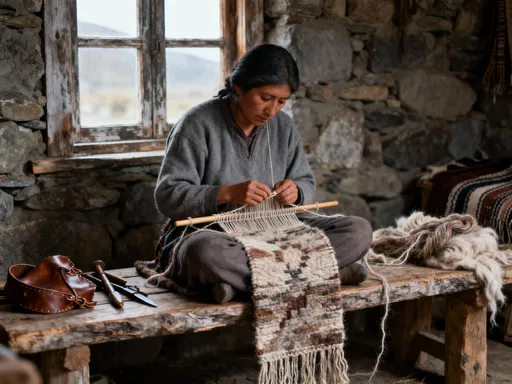
These boutiques are more than retail spaces—they are galleries of intention. Owners often stand behind the counter, ready to explain their process or share the story behind a product. A ceramicist might describe how she sources clay from a nearby river; a weaver might show how traditional techniques are adapted for modern use. The prices reflect labor and care, not mass production, and customers understand this. They come not to compare prices but to connect—with the maker, the material, and the meaning.
This shift is part of a broader trend in Japan: the revaluation of small-scale production in an age of globalization. In Hokkaido, where nature plays such a central role in daily life, this movement feels especially natural. The cold winters, vast landscapes, and seasonal cycles foster a culture of patience and preservation—values that align perfectly with slow craftsmanship. As a result, commercial areas are evolving beyond convenience and efficiency, becoming spaces where art, ecology, and community intersect. For travelers, visiting these boutiques offers a chance to carry home not just a souvenir, but a piece of Hokkaido’s living culture.
Why These Spaces Matter: More Than Just Shopping
At first glance, commercial areas may seem like mere backdrops to travel—places to buy gifts, grab a meal, or take shelter from the rain. But in Hokkaido, they are far more. They are where culture is lived, not performed; where tradition is not preserved behind glass, but practiced in daily routines. From the steam rising off a grilled scallop to the sound of a craftsman tapping wood in a quiet shop, these spaces pulse with the quiet energy of real life.
They matter because they offer connection. In a world where travel can feel increasingly curated and isolated, Hokkaido’s markets, arcades, and boutiques invite engagement. They ask you to slow down, to listen, to taste, to touch. They reward curiosity with warmth—from a vendor who offers a free sample, to a shopkeeper who explains a technique with pride. These moments are not staged; they are spontaneous and genuine.
Moreover, these spaces reflect resilience. In the face of global chains and digital shopping, Hokkaido’s local commerce has not vanished—it has adapted. It has found ways to honor the past while embracing the future, to serve residents while welcoming visitors. This balance is not easy, but it is possible when communities value authenticity over convenience.
For travelers, the lesson is clear: to know a place, you must wander its commercial heart. Not just the landmarks, but the in-between spaces—where people buy bread, repair shoes, or meet for tea. These are the places where the rhythm of life is most audible. So when you visit Hokkaido, let go of the itinerary for a moment. Step into a covered arcade, follow the smell of grilled seafood, strike up a simple conversation. Let the city reveal itself not in grand gestures, but in small, steady acts of daily living. Because in the end, the most unforgettable discoveries are not what you see—but what you feel.