You Won’t Believe These Hidden Urban Gems in Gondar
Gondar, Ethiopia, is more than just castles and history—it’s a living canvas of vibrant urban energy. I wandered its streets not knowing what to expect, and left completely inspired. From colorful markets to unexpected street art, the city pulses with authenticity. If you're chasing Instagram-worthy moments in places you never imagined, Gondar delivers. This isn’t just travel—it’s discovery in its rawest, most beautiful form.
The Royal Heartbeat: Exploring Fasil Ghebbi and Its Urban Surroundings
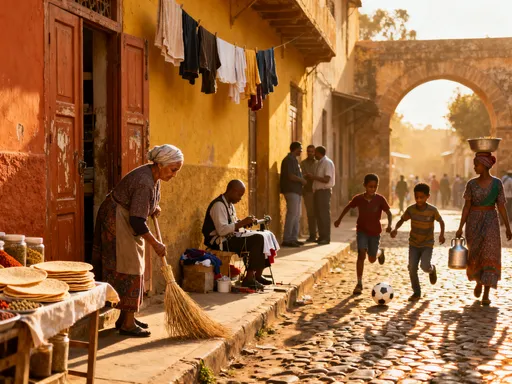
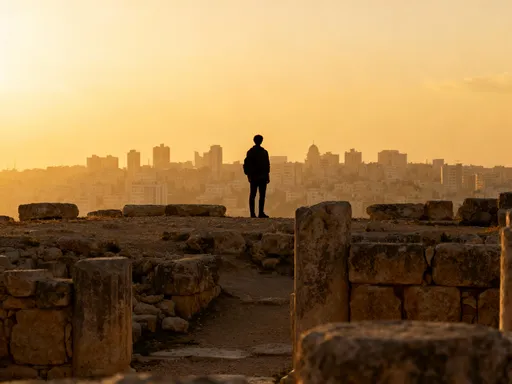
Fasil Ghebbi stands as the crown jewel of Gondar, a 17th-century fortress complex that once housed emperors and served as the political heart of the Ethiopian Empire. Recognized as a UNESCO World Heritage Site, the castle grounds are meticulously preserved, yet they do not exist in isolation. Instead, they breathe in rhythm with the city around them. As morning light spills over the turrets and battlements, the surrounding streets begin to stir. Vendors set up wooden stalls selling handwoven baskets, fresh injera, and clay water jugs. Children in bright school uniforms skip past the ancient gateways, their laughter echoing off centuries-old stone. The contrast is striking—medieval architecture framed by the movement of modern life.
What makes Fasil Ghebbi truly unique is how seamlessly it integrates into daily urban experience. Unlike museum-like historical sites tucked behind velvet ropes, this fortress is part of the city’s living fabric. Locals gather near the entrance to share stories, tourists sip bottled water in the shade of fig trees, and photographers wait patiently for the golden hour when sunlight bathes the sandstone walls in a warm, honeyed glow. The site is accessible on foot from most central neighborhoods, and its proximity to residential areas means you’ll often hear the call to prayer from a nearby mosque blending with the chatter of market vendors. This coexistence of past and present is not staged—it unfolds naturally, offering visitors an unfiltered glimpse into Ethiopian urban culture.
For travelers seeking meaningful experiences, spending time near Fasil Ghebbi offers more than just sightseeing. It invites reflection on how history shapes identity. Guides available at the entrance provide context about Emperor Fasilides, who founded the city in 1636, and the architectural influences drawn from Nubian, Arab, and Portuguese styles. But even without a guide, the atmosphere speaks volumes. The way sunlight hits the carved windows, the texture of weathered stone, and the quiet corners where elders sit in contemplation—all contribute to a sense of timelessness. This is not a destination frozen in the past, but one where heritage continues to inform the rhythm of everyday life.
Beyond the Castle Walls: Gondar’s Living Neighborhoods
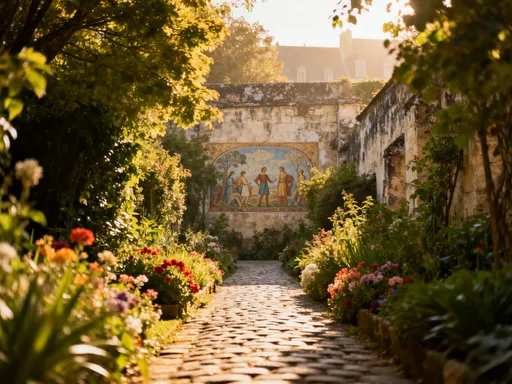
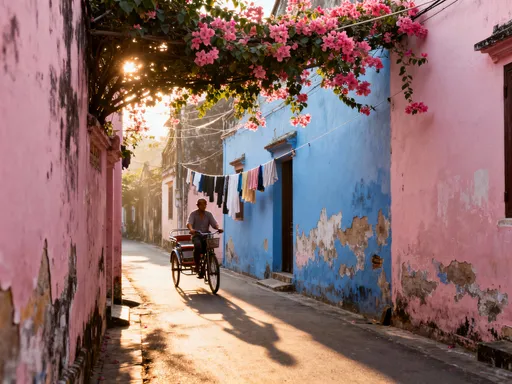
Just beyond the grandeur of Fasil Ghebbi lie Gondar’s residential neighborhoods—quiet streets where daily life unfolds with quiet dignity. These areas are not designed for tourists, yet they offer some of the most authentic and visually rich experiences in the city. Cobblestone paths wind between low-rise homes with brightly painted doors, often adorned with hand-carved details. Laundry flutters between buildings on clotheslines strung across narrow alleyways, adding splashes of color against sun-bleached walls. Chickens peck at the ground near doorsteps, and neighbors greet each other in Amharic with warm familiarity.
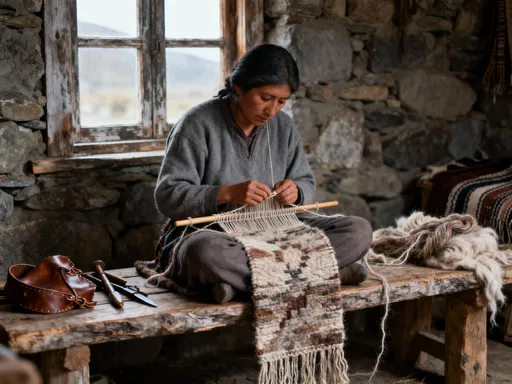
Walking through these neighborhoods feels like stepping into a living photograph. There’s no artificial staging—every scene is real, spontaneous, and deeply human. A grandmother sits outside her home weaving a traditional shawl, her fingers moving with practiced ease. A group of teenagers gathers around a small radio, listening to local music while repairing a bicycle. These moments are not performed for visitors; they simply are. For those who take the time to walk slowly and observe, the rewards are profound. The textures of hand-plastered walls, the scent of baking bread, the sound of children playing in courtyards—all contribute to a sensory tapestry that lingers long after departure.
One of the most striking aspects of Gondar’s residential zones is their architectural continuity. Many homes follow traditional design principles, with flat roofs, thick walls for insulation, and small windows to keep interiors cool. Yet, modern touches appear in subtle ways—satellite dishes perched atop rooftops, solar panels glinting in the sun, or a brightly colored plastic chair placed in the shade for resting. This blend of old and new reflects the city’s ongoing evolution. It’s not clinging to the past, nor is it rushing toward modernity. Instead, it moves at its own pace, adapting thoughtfully to change while preserving its character.
Market Magic: Timket Mercato as a Sensory Playground
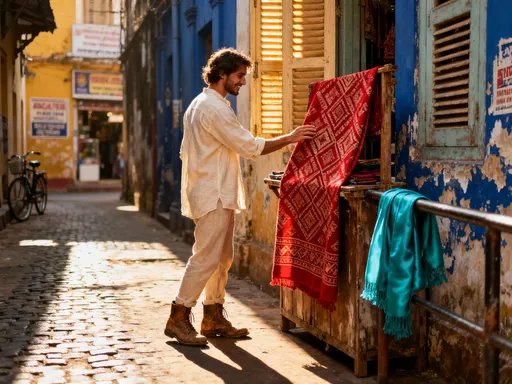
No visit to Gondar is complete without stepping into the vibrant chaos of Timket Mercato, the city’s main marketplace. Far more than a place to buy goods, this bustling hub is a full-body experience. From the moment you enter, your senses are engaged—colors explode in every direction, scents swirl in the air, and the hum of conversation creates a constant, rhythmic backdrop. Stalls overflow with pyramids of red peppers, golden turmeric, and fragrant cloves. Bolts of cotton fabric in bold patterns—stripes, florals, and geometric designs—are draped over tables, inviting touch and admiration.
What makes Timket Mercato so photogenic is the sheer density of visual information. Every inch of space is used. Baskets hang from poles, dried herbs dangle from ceilings, and stacks of hand-thrown pottery create natural towers of earthy tones. Vendors call out prices in Amharic and Oromo, their voices rising above the clatter of passing foot traffic. Shoppers haggle gently, holding up garments or produce with careful scrutiny. The market isn’t divided into strict sections; instead, it flows organically—next to a spice vendor, you might find a woman selling handmade soap, then a man repairing shoes with a wooden last and leather scraps.
For travelers, the market offers more than shopping—it’s a window into local life. Observing how people interact, what they buy, and how they carry their goods reveals insights into daily routines and cultural values. Women balance heavy loads on their heads with effortless grace, children dart through the aisles with bags of sugar or tea leaves, and elders sit on low stools, watching the scene with quiet amusement. Photographers will find endless compositions here—the way light filters through canvas awnings, the contrast between wrinkled hands and smooth fruit, the symmetry of stacked baskets. But beyond aesthetics, the market reminds us of the dignity and resilience inherent in everyday work.
Street Art & Urban Expression: Where Tradition Meets Modernity
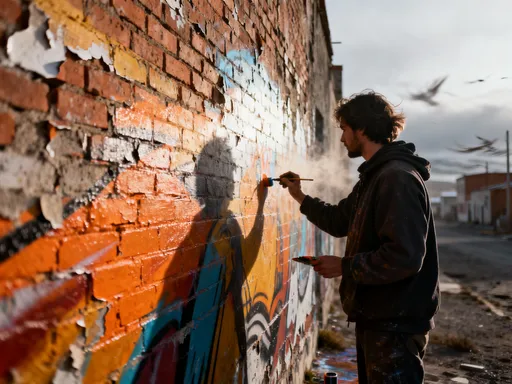
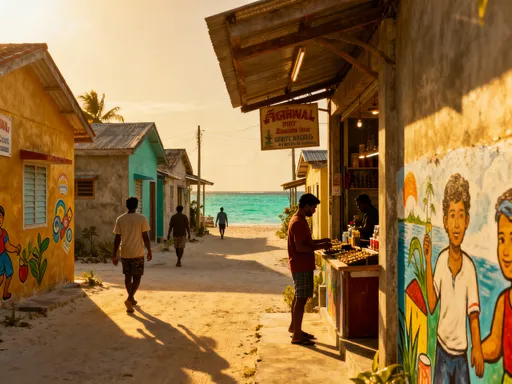
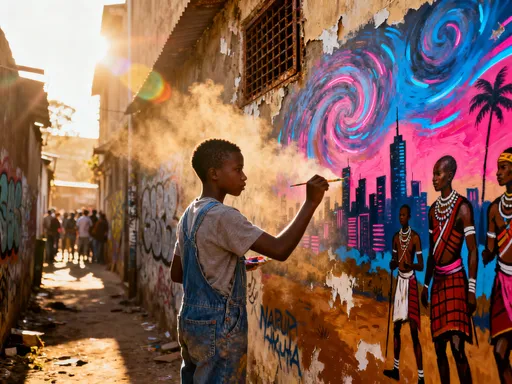
While Gondar is not known as a formal street art destination, creative expression appears in unexpected places. Murals painted near schools, community centers, and small cafes reflect a quiet but growing movement of urban artistry. These are not commissioned works by international artists, nor are they part of a city-sponsored beautification project. Instead, they emerge organically—often the work of local youth, teachers, or cultural collectives. One wall near a primary school features a vibrant painting of children from different ethnic groups holding hands beneath a rainbow. Another, near a health clinic, shows a nurse administering a vaccine with the slogan “Protect Our Future” in Amharic.
These murals serve both aesthetic and educational purposes. They transform plain walls into storytelling canvases, conveying messages about unity, health, education, and environmental care. Unlike graffiti in some global cities, there is little sense of rebellion or defiance here. Instead, the art feels communal, hopeful, and inclusive. It doesn’t shout—it whispers encouragement. In a city where resources are limited, these colorful additions bring joy and pride to neighborhoods that might otherwise go unnoticed.
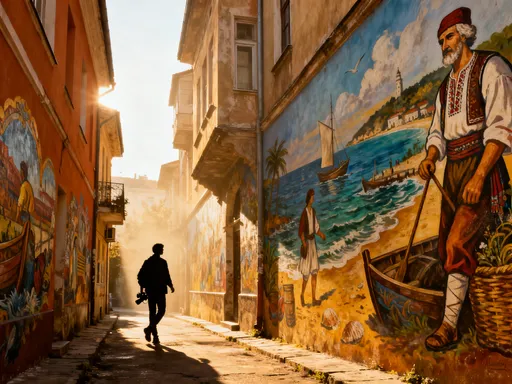
For visitors, discovering these artworks feels like finding hidden treasures. They’re not marked on maps or included in tour itineraries. You stumble upon them while walking to a café or waiting for a bajaj. This spontaneity adds to their charm. A mural on a side street might depict a traditional dancer in full regalia, her movements frozen in paint, while another shows a farmer tending crops under a bright sun. The styles vary—some are detailed and realistic, others are simple and symbolic—but all carry a sense of purpose. They remind us that art doesn’t need galleries to matter. It can live on a cracked wall, inspire a passerby, and become part of the city’s soul.
Café Culture: Third Spaces in an Ancient City
In recent years, Gondar has seen the quiet rise of modern café culture—a subtle but significant shift in how people gather and connect. Nestled between centuries-old buildings and bustling markets, small coffeehouses have emerged as third spaces—neither home nor workplace, but places of rest, conversation, and reflection. These cafés serve both locals and visitors, offering espresso, macchiatos, and traditional Ethiopian coffee brewed in jebenas. The scent of freshly ground beans mingles with the city’s usual aromas of incense and street food, creating a new olfactory layer in Gondar’s sensory profile.
What makes these spaces special is their contrast with the surrounding environment. Imagine sipping a latte while gazing at a 17th-century tower just across the street. Inside, the décor is often simple—wooden tables, mismatched chairs, shelves lined with books and board games. Some cafés play soft Ethiopian jazz or instrumental music, creating a calm atmosphere amid the urban bustle. Free Wi-Fi and power outlets make them practical stops for travelers needing to recharge devices or plan their next move. Yet, they’re not just functional—they’re social hubs where friendships form and ideas are exchanged.
For women, in particular, these cafés offer a rare public space for informal gathering. In a society where social options for women outside the home can be limited, a café provides a safe, welcoming environment to meet friends, read, or work on a laptop. Some establishments are women-run, adding another layer of empowerment to their presence. Whether you’re journaling, sketching, or simply watching the world go by, these spaces invite pause in a city that never fully stops moving. They represent a quiet evolution—one cup of coffee at a time.
Getting Around: Navigating Gondar’s Urban Fabric Like a Local
Exploring Gondar on foot is one of the most rewarding ways to experience the city, but it requires planning and awareness. The urban layout is not grid-based, and streets often follow natural contours, leading to unexpected turns, staircases, and alleyways. GPS signals can be unreliable, especially in narrow passages between tall buildings. Instead of relying solely on maps, many visitors learn to navigate by landmarks—“turn left after the blue door,” “follow the path where the schoolchildren walk.” This organic way of moving through the city fosters deeper connection and serendipitous discoveries.
For longer distances, the most common mode of transport is the bajaj—a three-wheeled auto rickshaw that zips through traffic with surprising agility. Fares are affordable, and drivers are generally friendly, often offering tips about where to eat or what to see. Negotiating the price before departure is standard practice, and most locals use 20 to 50 birr for short trips within the city center. While bajajs are not luxurious, they provide a fun, open-air experience that puts you in the middle of the action. You’ll feel the breeze, hear the honking, and catch snippets of conversation as you glide through neighborhoods.
Timing your movements is also key. Midday heat in Gondar can be intense, especially during the dry season. Many residents retreat indoors between 11 a.m. and 3 p.m., when temperatures peak. Early mornings and late afternoons are ideal for walking, when the light is soft and the streets are active with school runs, market deliveries, and social visits. Sunrise offers a magical time to photograph Fasil Ghebbi with minimal crowds, while dusk brings the golden hour glow that painters and photographers dream of. By aligning your rhythm with the city’s natural pulse, you gain access to moments that feel private, even in public spaces.
Why Gondar Changes Your Travel Lens
Gondar doesn’t conform to conventional travel expectations. It won’t offer luxury resorts, curated food tours, or Instagram-perfect plazas lined with designer shops. Instead, it offers something rarer: authenticity. This city asks you to slow down, to look closely, to listen. It rewards curiosity with unscripted moments—a child’s smile, a shared cup of coffee, a mural painted with hope. In doing so, it reshapes how we think about beauty and value in travel.
Most guidebooks focus on monuments, but Gondar teaches us that the soul of a place lives in its streets, markets, and homes. It challenges the idea that wonder must be manufactured or monetized. Here, beauty exists in the uneven cobblestone, the patch of wildflowers growing through a crack, the way an elder’s face crinkles when they laugh. These are not attractions—they are life, unfolding with honesty and grace.
For women travelers, especially those between 30 and 55, Gondar offers a deeply resonant experience. It speaks to the wisdom that comes with age, the appreciation for simplicity, and the desire for meaningful connection. It’s not about checking boxes or collecting likes. It’s about presence. In a world that often feels rushed and artificial, Gondar stands as a quiet reminder that the most powerful journeys are the ones that change how we see, long after we’ve returned home.
Gondar reshapes the way we think about urban travel. It’s not about polish or perfection—it’s about pulse. In its weathered walls and lively streets, there’s a story in every shadow and sunlight. This city doesn’t shout for attention. It simply exists—bold, real, and breathtakingly photogenic.