Lost in the Heartbeat of Amman: Where Culture Lives on Every Corner
You know what? I never expected Amman to hit me this hard. It’s not just a stopover—it’s a living story. From ancient ruins humming with history to buzzing art galleries and spice-scented alleys, this city pulls you in. I wandered, I tasted, I felt something real. This is more than sightseeing; it’s soul-stirring exploration. If you’re craving culture that breathes, Amman’s cultural venues will blow your mind. It’s a place where the past isn’t preserved behind glass but lives in the rhythm of daily life—in the call to prayer echoing over rooftops, in the clink of tea glasses at sidewalk tables, in the laughter spilling from courtyard homes. For women who travel not just to see, but to understand, to connect, to feel grounded in the shared human experience, Amman offers a rare gift: authenticity.
First Impressions: The Unexpected Soul of a Modern-Traditional Capital
Amman greets you with contradictions that somehow harmonize. Skyscrapers rise beside stone villas with arched windows and red-tiled roofs, and luxury cars glide past donkeys pulling carts in side streets. This is not a city torn between eras, but one that embraces both. The capital of Jordan, often overlooked as a mere transit point to Petra or the Dead Sea, reveals its depth the moment you step into its hills. With a population of over four million, Amman is Jordan’s pulsing heart, yet it retains an intimate, neighborhood-based rhythm that feels surprisingly personal.
As you move through districts like Jabal Amman and Abdoun, the architectural narrative unfolds. Jabal Amman, one of the oldest parts of the city, was once home to merchants and intellectuals. Its narrow lanes wind past early 20th-century homes built from local limestone, each with ornate wooden balconies and hand-carved doors. These houses, many now repurposed as boutiques, cafés, or art spaces, speak of a time when craftsmanship was central to daily life. The preservation of these buildings reflects a quiet pride in heritage, not as a museum piece but as a living legacy.
Contrast this with Abdoun, a more modern district known for its high-end apartments, international schools, and sleek shopping centers. Yet even here, the city’s cultural continuity is evident. Public art installations dot the roundabouts, and green spaces are designed with communal gathering in mind. The blend of modernity and tradition isn’t accidental—it’s intentional, a reflection of Jordan’s broader identity as a stable, forward-looking nation deeply rooted in history and hospitality.
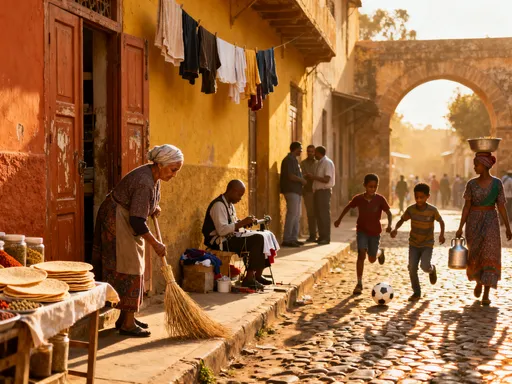
What makes Amman’s duality so compelling is that it doesn’t feel forced. You won’t find theme-park versions of history or sterile glass towers disconnected from the people. Instead, there’s a sense of organic growth, where new developments coexist with old customs. Women in abayas walk past young artists painting murals; grandmothers sip mint tea in courtyards while their grandchildren post videos of Jordanian folk songs on social media. This layered identity makes Amman not just a destination, but a story in motion—one that invites you to listen, observe, and belong, even if just for a few days.
The Citadel (Jabal al-Qal’a): Standing Guard Over Millennia
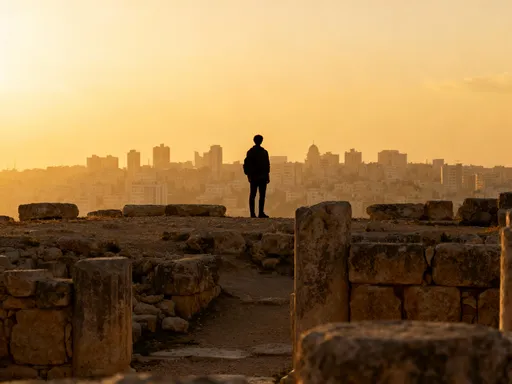
Perched atop one of Amman’s highest hills, the Citadel, or Jabal al-Qal’a, is a place where time collapses. Standing here, you’re simultaneously in the present and the distant past. Below, the city sprawls in a patchwork of ochre stone and greenery; above, the sky stretches wide, framing ancient columns that have watched over this land for thousands of years. This sacred hill has been inhabited since the Bronze Age, and every civilization that ruled here—Ammonites, Greeks, Romans, Byzantines, Umayyads—left its mark.
The most prominent remains are the Temple of Hercules and the Umayyad Palace complex. The Temple, dating back to the 2nd century CE, was part of the Roman city of Philadelphia. Though only a few massive columns remain, their scale speaks volumes. One lone capital, larger than a person, lies overturned—a humbling reminder of the grandeur that once was. Archaeologists believe the temple once housed a colossal statue of Hercules, its fingers alone larger than a man’s forearm. While the statue is long gone, the site still carries an aura of awe, especially at sunrise, when the first light gilds the stone and the city below stirs to life.
Nearby, the Umayyad Palace ruins offer a glimpse into early Islamic architecture. Built in the 8th century, this complex likely served as a government or administrative center. Its grand entrance, vaulted halls, and intricate stonework reflect a time when Amman was a regional capital under the Umayyad Caliphate. The site also includes a small mosque and a bathhouse, illustrating the daily rhythms of life centuries ago. Interpretive signs, though modest, help visitors understand the layout and function of each structure.
Visiting the Citadel at dawn is one of Amman’s most rewarding experiences. The air is cool, the light soft, and the crowds absent. As the sun rises, the city unfolds like a map, with the Roman Theatre clearly visible in the valley below. The site is fully accessible, with paved pathways and shaded areas, making it suitable for families and older travelers. Entry is affordable, and guided tours are available for those seeking deeper historical context. But even without a guide, the Citadel communicates something wordless—a sense of continuity, of resilience, of a city that has endured and evolved.
The Roman Theatre: Where Echoes of the Past Still Resonate
If the Citadel is Amman’s crown, the Roman Theatre is its beating heart. Carved into the hillside in the 2nd century CE during the reign of Emperor Antoninus Pius, this grand amphitheater once held up to 6,000 spectators. Today, it remains one of the city’s most iconic landmarks, not just for its impressive preservation but for its continued use as a cultural venue. Unlike many ancient sites frozen in time, the Roman Theatre is alive, hosting music festivals, dance performances, and national celebrations.
The theatre’s semicircular design, with rows of stone seats rising in tiers, demonstrates the Romans’ mastery of acoustics and engineering. Stand at the center of the stage, and your voice carries effortlessly to the top row—a feature that still amazes visitors. On quiet mornings, you can almost hear the ghostly applause of an ancient audience. But on festival nights, the theatre truly comes alive, illuminated by soft lights and filled with the sounds of traditional oud music or contemporary Jordanian bands.
Adjacent to the main theatre are the remains of a smaller odeon, a covered concert hall that once hosted more intimate performances. Though less grand, the odeon adds depth to the site, showing that cultural life in ancient Philadelphia was rich and varied. Together, these structures remind us that entertainment and public gathering have always been central to urban life.
For visitors, the best time to explore the theatre is late afternoon, when the sun casts long shadows across the seats and the surrounding hills glow amber. The site is well-maintained, with clear signage and a small on-site museum displaying artifacts from the Roman period. Tickets are reasonably priced, and guided tours offer insights into the construction techniques and daily use of the theatre. Photographers will find endless opportunities—from wide-angle shots of the entire structure to close-ups of weathered inscriptions in Latin and Greek.
But beyond the facts and figures, the Roman Theatre offers something intangible: a connection to the people who came before. As you sit on those ancient stones, you’re part of a long line of spectators, storytellers, and dreamers. For women who appreciate the enduring power of culture, this is a place of quiet reverence and inspiration.
Cultural Hubs Beyond Antiquity: The Art of Contemporary Jordan
While Amman’s ancient sites draw well-deserved attention, its contemporary art scene reveals another layer of its soul. In recent decades, Jordan has seen a quiet but powerful cultural renaissance, with artists, writers, and musicians exploring identity, heritage, and modernity. Two institutions stand at the forefront: the Jordan National Gallery of Fine Arts and Dar al-Anda.
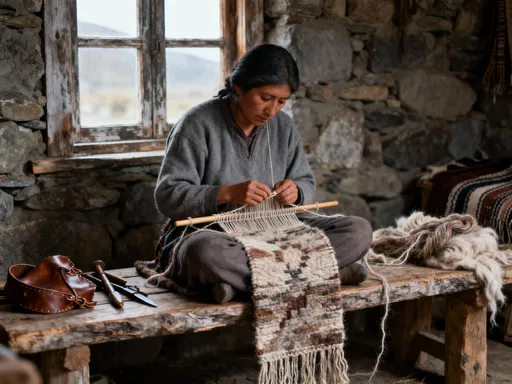
The Jordan National Gallery of Fine Arts, located in the upscale neighborhood of Abdoun, is the country’s premier public art museum. Its collection spans from traditional Islamic calligraphy to modern Arab abstraction. Works by Jordanian, Palestinian, and other Arab artists reflect regional themes—exile, memory, resistance, and hope. One of the most moving exhibits features textiles and embroidery from Jordan’s Bedouin communities, each stitch a story of resilience and beauty. The gallery also hosts rotating exhibitions, lectures, and workshops, making it a dynamic space for cultural exchange.
Equally compelling is Dar al-Anda, a private gallery and cultural foundation in Jabal Amman. Housed in a restored 1920s villa, the space blends historical architecture with bold contemporary art. The collection includes paintings, sculptures, and mixed-media works that challenge viewers to think critically about identity and society. What sets Dar al-Anda apart is its commitment to accessibility—admission is often free, and the staff welcomes questions, making it especially inviting for travelers unfamiliar with Middle Eastern art.
Both venues emphasize education and dialogue. They are not sterile, hushed spaces but warm, engaging environments where art is meant to be discussed. For women who value thoughtful reflection and creative expression, these galleries offer a refreshing contrast to the more physical exploration of ruins and streets. They are places to pause, to contemplate, to see how Jordan’s artists are shaping the nation’s narrative in real time.
Practical details matter: the Jordan National Gallery is open Saturday through Thursday, with extended hours on certain evenings. Dar al-Anda operates on a more flexible schedule, so checking ahead is advisable. Both are easily reached by taxi or ride-sharing services, and nearby cafés make for perfect post-visit reflections.
Neighborhood Deep Dive: Artsy Vibes in Jabal Al-Weibdeh
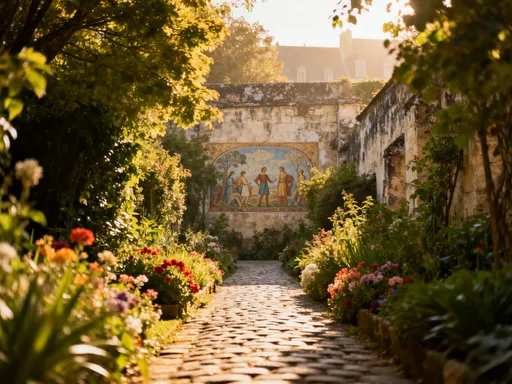
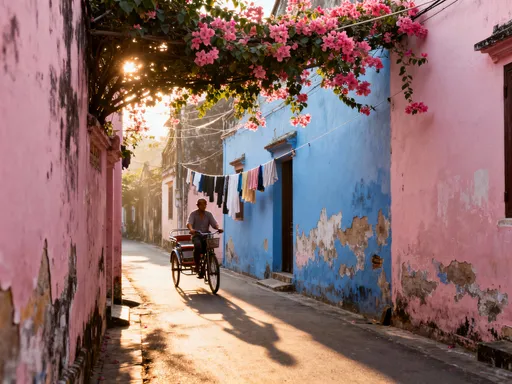
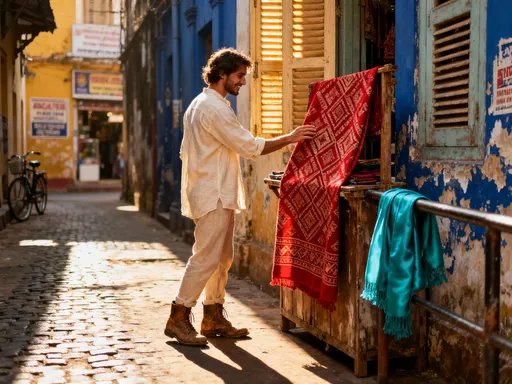
If Amman has a bohemian soul, it lives in Jabal Al-Weibdeh. Nestled between the Citadel and the Roman Theatre, this neighborhood feels like a village within the city. Cobblestone alleys, ivy-covered walls, and colorful murals set the tone. Here, culture isn’t confined to institutions—it spills into the streets, cafés, and hidden courtyards.
Start at Books@Cafe, an independent bookstore and coffee shop that has become a cultural hub. Shelves are lined with Arabic and English titles, from classic literature to contemporary Middle Eastern poetry. Locals gather here for book launches, poetry readings, and quiet afternoons with a novel and a cardamom-scented coffee. The atmosphere is relaxed, intellectual, and deeply welcoming. Women travelers will feel at ease here, whether reading alone or striking up a conversation with a local artist or student.
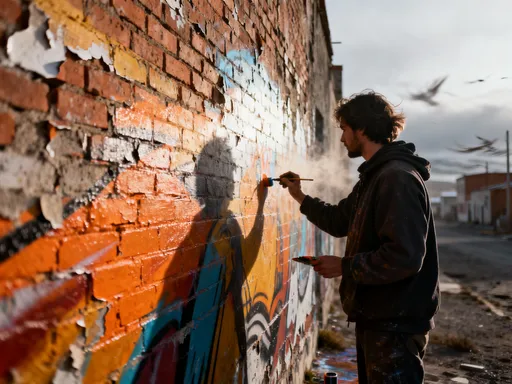
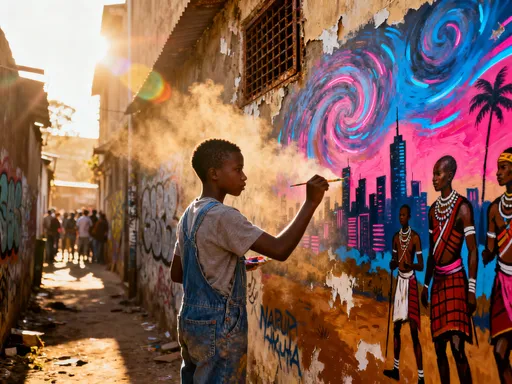
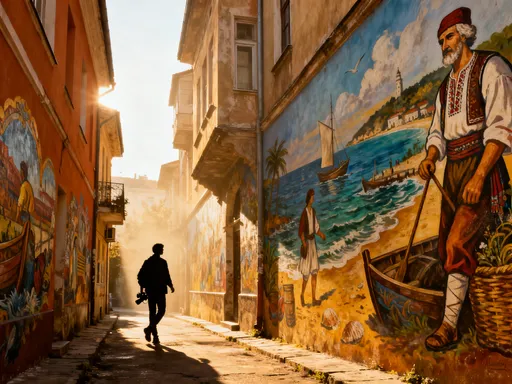
Wander further, and you’ll discover art studios tucked into old houses, where painters and sculptors work in sunlit rooms. Street art adorns building facades—some whimsical, others political, all expressive. One mural depicts a woman in traditional dress holding a book, a powerful symbol of education and heritage. Another shows a flock of doves rising from the hills of Jordan, a hopeful image of peace and unity.
Live music is another highlight. Venues like The Platform and Sufra host intimate performances—jazz trios, Arabic folk ensembles, and solo singer-songwriters. These aren’t tourist shows but genuine cultural moments, often attended by young Jordanians eager to express themselves through music. Reservations may be needed for weekend performances, but even dropping in for a drink can lead to unexpected connections.
A full afternoon in Jabal Al-Weibdeh might include coffee and reading, a gallery visit, a stroll through a quiet park, and dinner at a family-run restaurant serving mansaf or maqluba. The rhythm is slow, intentional, and deeply satisfying. This is not a checklist of sights but an immersion in the everyday life of creative Amman. For women who seek meaningful travel experiences, this neighborhood offers a rare blend of authenticity, inspiration, and warmth.
Museums That Tell the Full Story: From Folklore to Identity
To understand a nation, look beyond its monuments to its museums. In Amman, two institutions offer complementary perspectives on Jordan’s identity: The Jordan Museum and the Children’s Museum Jordan. Together, they show how culture is preserved, taught, and celebrated across generations.
The Jordan Museum, located in Ras al-Ein, is the country’s largest and most modern museum. Its sleek, climate-controlled galleries house artifacts from prehistoric times to the Islamic era. The star of the collection is the ‘Ain Ghazal statues—plaster figures dating back 9,000 years, among the oldest large-scale human representations ever found. Standing before these ancient forms, with their painted eyes and solemn expressions, is a profound experience. They remind us that the human desire to create, to represent, and to remember is timeless.
Other highlights include Neolithic tools, Roman mosaics, and Islamic manuscripts. The museum’s curation is thoughtful, with clear explanations in English and Arabic. Interactive displays engage younger visitors, but the focus remains on education and preservation. The museum plays a crucial role in shaping national pride, especially among Jordanian youth who may take their heritage for granted.
In contrast, the Children’s Museum Jordan, also in Ras al-Ein, takes a playful, hands-on approach. Designed for kids aged 2 to 12, it features interactive exhibits on science, culture, and sustainability. One section recreates a traditional Jordanian market, where children can “shop” for spices and bread, learning about daily life and commerce. Another simulates a newsroom or a hospital, encouraging role-playing and creativity.
While aimed at children, the museum is valuable for adults too. It reveals how Jordan is investing in the next generation’s understanding of culture, citizenship, and innovation. Families will appreciate its cleanliness, safety, and educational value. Both museums are accessible by public transport or taxi, and combined visits make for a full, enriching day.
Living Culture: Food, Tea, and Conversations That Connect
Culture is not only seen—it is tasted, smelled, and shared. In Amman, some of the most meaningful moments happen over food and tea. Traditional hashas, or seating areas, are still common in homes and some public spaces. These cushioned corners, often shaded by grapevines, are where families gather, stories are told, and tea is poured endlessly.
One of the best ways to experience this is at a local tea house. Habiba Tea House in Jabal Amman is a favorite among residents. The space is simple—wooden tables, floor cushions, shelves of herbs and spices. Order sage tea or mint with honey, and you’ll likely be joined by a grandmother offering advice or a student practicing English. These spontaneous conversations are the soul of Jordanian hospitality.
Meals are equally revealing. A home-cooked dinner with a Jordanian family—arranged through cultural tours or local contacts—can be transformative. Dishes like mansaf (lamb with fermented yogurt sauce served on rice) are more than food; they are acts of generosity and tradition. Sitting on the floor, eating with your right hand, and sharing from a communal platter fosters intimacy and respect.
Even casual dining offers insight. Restaurants like Hashem, a no-frills eatery near the Roman Theatre, serve falafel and hummus that locals swear by. The lines are long, the tables crowded, but the experience is real. There’s no “tourist menu”—just delicious, affordable food prepared with pride.
For women travelers, these moments of connection are especially valuable. They go beyond sightseeing to create lasting memories and mutual understanding. By slowing down, accepting an invitation, or simply smiling across a tea table, you become part of Amman’s living culture.
Amman’s Culture Is Not Seen—It’s Felt
Amman doesn’t perform its heritage—it lives it. This city isn’t about perfectly curated exhibits or staged performances. It’s about the hum of conversation in a backstreet café, the scent of cardamom in the air, the warmth of a stranger’s welcome. Its cultural venues—from ancient ruins to contemporary galleries—are not endpoints but invitations.
To explore Amman is to engage with a society that honors its past while shaping its future. It’s a place where history isn’t distant but present, where art is not elite but accessible, where connection is not transactional but genuine. For women who travel with curiosity and an open heart, Amman offers more than sights—it offers belonging.
Come with questions. Stay for the stories. Let the city speak to you, not in grand declarations, but in quiet moments—a shared laugh, a cup of tea, a mural on a wall. This is culture in motion. This is Amman.