You Won’t Believe These Hidden Cultural Gems in Punta Arenas
When I landed in Punta Arenas, I expected wind and penguins — not vibrant culture. But tucked beneath the Patagonian winds lies a world of untold stories, local traditions, and authentic Chilean heritage. From forgotten crafts to indigenous influences, this city offers deeply rooted cultural experiences most travelers completely overlook. If you're chasing real connection over crowds, Punta Arenas might just surprise you.
Arriving in the Edge City: First Impressions That Deceive
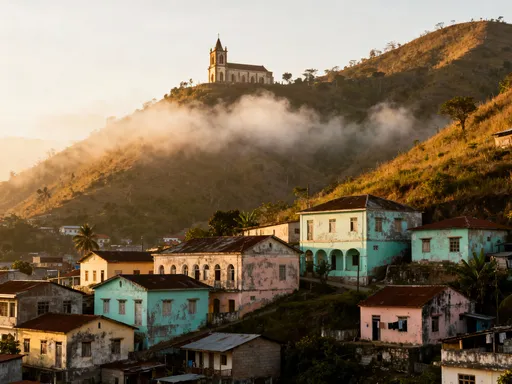
Punta Arenas, perched on the southern tip of Chilean Patagonia, often appears in travel itineraries as little more than a logistical stopover. Many arrive with expectations shaped by its reputation: a windswept frontier town, a jumping-off point for Antarctic cruises or expeditions to Torres del Paine. The airport, modest and functional, greets visitors with a gust of crisp air and a skyline of colorful rooftops clinging to rolling hills. At first glance, the city seems utilitarian — built for resilience, not revelation. Yet beneath this unassuming exterior beats a quiet cultural pulse, one nurtured by generations who have learned to thrive in one of the world’s most isolated environments.
What newcomers often miss is the warmth embedded in daily life. Locals, known as *puntenos*, move with a calm self-assurance, shaped by a history of adaptation and survival. Their conversations in cafes and markets carry a rhythm that speaks of shared experience, of winters endured and stories passed down. Unlike tourist-centric destinations where culture is packaged for performance, here it unfolds naturally — in the way bread is baked, wool is spun, and family meals stretch late into the evening. The city does not shout its heritage; it lives it.
This subtlety is precisely what makes Punta Arenas so rewarding for the attentive traveler. The cultural richness is not in grand monuments or bustling plazas, but in the quiet corners: a grandmother teaching her granddaughter to knit with guanaco wool, a fisherman mending nets while recounting tales of the strait, or a community hall preparing for a traditional *asado*. These moments are not staged — they are part of an ongoing narrative shaped by geography, history, and human resilience. To experience them is to understand that culture here is not a display, but a way of being.
The Soul of the Strait: Magellanic Heritage in Daily Life
The Strait of Magellan is more than a geographic landmark — it is the lifeblood of Punta Arenas. For centuries, this narrow passage between the Atlantic and Pacific Oceans has dictated the rhythm of life in the region. Long before Ferdinand Magellan’s 1520 voyage gave the strait its name, indigenous peoples like the Kawésqar and Selk’nam navigated its waters in canoes, relying on its currents and coastal resources for survival. Today, that maritime legacy endures, woven into the language, cuisine, and collective memory of the city’s residents.
Local pride in the strait’s history extends far beyond the famous explorer. In neighborhood conversations, stories of 19th-century sheep barons, gold rush adventurers, and early European immigrants who braved the passage are told with a sense of ownership. The strait is not just a route — it is a teacher. Its unpredictable weather and powerful tides have instilled in *puntenos* a deep respect for nature and a practical, no-nonsense approach to life. This ethos is evident in everything from home construction, designed to withstand relentless winds, to the community’s emphasis on self-reliance and mutual support.
Small, community-driven museums offer intimate glimpses into this heritage. The Museo Salesiano Maggiorino Borgatello, though modest in size, houses artifacts from indigenous cultures, early explorers, and regional wildlife, curated with care by local historians. Other lesser-known exhibits, often hosted in cultural centers or school halls, spotlight the lives of immigrant families who settled in the region. These spaces do not aim for spectacle; instead, they serve as repositories of memory, where photographs, letters, and handmade tools tell the story of a community shaped by migration, isolation, and perseverance. For visitors willing to look beyond the surface, these quiet institutions reveal the soul of the strait — not as a historical footnote, but as a living presence.
Crafts from the Cold: Artisans Keeping Tradition Alive
In a climate defined by long winters and fierce winds, craftsmanship has long been both a necessity and an art form in Punta Arenas. The region’s artisans transform raw, local materials into functional and beautiful objects, preserving traditions that date back generations. Among the most distinctive are wool crafts made from guanaco fiber, sheepskin, and hand-spun yarn. These materials, sourced from the Patagonian steppe, are naturally wind-resistant and insulating — perfectly suited to the environment, yet imbued with cultural significance.
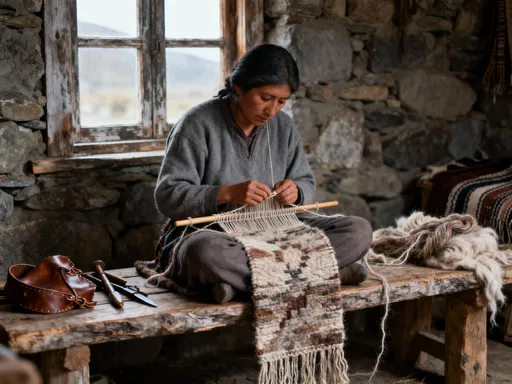
Visiting a local workshop reveals the meticulous care behind each piece. In small studios tucked into residential neighborhoods, artisans sit at wooden looms, their hands moving with practiced precision. Guanaco wool, prized for its softness and warmth, is often dyed with natural pigments to create patterns inspired by indigenous designs or local landscapes. Some weavers incorporate symbolic motifs — zigzags representing mountain ranges, or spirals echoing the movement of the wind. These textiles are not merely decorative; they are heirlooms, often gifted at weddings or passed down through families as tokens of identity and continuity.
Markets like the Feria Artesanal Municipal offer travelers the chance to meet these artisans directly. Here, vendors sell hand-knitted scarves, *champús* (traditional wool hats), and *futres* (sheepskin moccasins), all crafted using methods unchanged for decades. Conversations with makers often lead to stories about childhood winters spent learning to knit by the fire, or the importance of using only ethically sourced wool. Supporting these crafts is more than a shopping experience — it is a way to participate in the preservation of a cultural legacy that might otherwise fade in the face of mass-produced alternatives.
Flavors of the Frontier: Eating Like a True Punteno
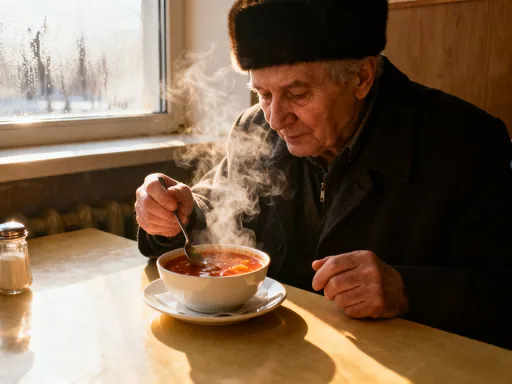
To eat in Punta Arenas is to taste the essence of Patagonia. The region’s cuisine is shaped by its isolation, climate, and abundance of natural resources. Meals are hearty, slow-cooked, and deeply communal — a reflection of a lifestyle where food is both sustenance and connection. Traditional dishes like *pastel de jaiba* (crab pie), *sopa de cordero* (lamb soup), and *chunchules* (seasoned grilled lamb intestines) are not exotic curiosities but staples of family tables, especially during the colder months.
The *fonda*, a family-run eatery often operating out of a home or converted garage, is the heart of culinary culture. These unassuming spots serve generous portions of home-cooked food, prepared with ingredients sourced from local farms, fisheries, and ranches. A typical lunch might begin with a bowl of rich *caldo de congrio* (conger eel soup), followed by a plate of roasted lamb with wild potatoes and *merkén* — a smoky chili seasoning with Mapuche origins. Desserts are simple but satisfying: *sopaipillas* (fried dough) drizzled with molasses, or *dulce de leche* tarts made with locally produced milk.
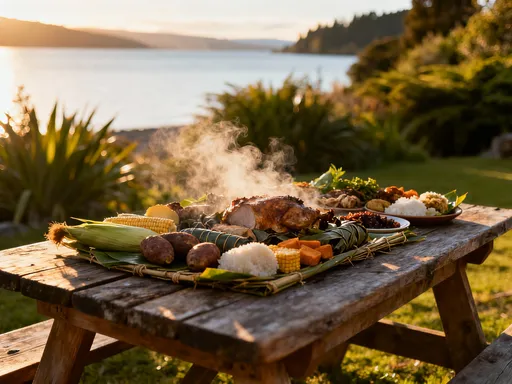
Even more revealing are the weekend *asados*, or barbecues, where extended families gather to cook over open flames. These gatherings are less about the food itself and more about the ritual — the slow tending of the fire, the storytelling, the shared labor of preparation. For visitors invited to such events, the experience is profoundly intimate. It is not a performance for tourists, but a genuine expression of *punteneo* hospitality. To eat like a true *punteno* is to understand that food here is not consumed — it is celebrated, shared, and remembered.
Voices of the Wind: Music and Storytelling in Southern Chile
In a region where silence is often broken only by the howl of the wind, music and storytelling carry special weight. For generations, *puntenos* have used song and oral tradition to preserve history, express emotion, and maintain community bonds. The folk music of southern Chile blends Chilean *tonadas* with European folk influences — particularly from Croatian and German immigrants — and subtle echoes of indigenous rhythms. The result is a sound that is both melancholic and resilient, much like the landscape itself.
Live performances are rarely held in large concert halls. Instead, they take place in community centers, schools, or during seasonal festivals like the *Fiesta de la Nieve* (Snow Festival) or *Semana de la Patagonia*. These gatherings feature accordion, guitar, and *charango* players, accompanied by dancers in traditional attire. Songs often tell stories of love, loss, migration, and the sea — themes that resonate deeply in a city shaped by distance and departure. Children learn these melodies in school, ensuring that the musical heritage continues even as modern influences grow.
Equally important is the tradition of oral storytelling. In homes and social clubs, elders recount tales of early settlers, shipwrecks, and encounters with wildlife. These narratives are not merely entertainment; they serve as informal archives, passing down knowledge about weather patterns, survival skills, and community values. For visitors, listening to these stories — even with limited Spanish — offers a rare window into the collective memory of Punta Arenas. The act of storytelling, in this context, becomes an act of cultural preservation, a way of saying: we were here, we endured, and our voices remain.
Living Museums: Offbeat Cultural Spaces Most Tourists Miss
While larger museums attract international visitors, the true cultural heartbeat of Punta Arenas often pulses in smaller, lesser-known spaces. Neighborhood cultural houses, local libraries, and community archives serve as informal custodians of regional identity. These venues, though modest, play a vital role in fostering pride and intergenerational exchange. They are not designed for mass tourism, but for locals — which makes them all the more authentic for those who seek genuine connection.
One such space is the Biblioteca Municipal, which houses a small but valuable collection of historical photographs, letters, and maps documenting the city’s development. Rotating exhibits highlight the contributions of immigrant communities — particularly Croatians, who arrived in the late 19th century to work in the sheep industry, and Welsh settlers who established colonies further north in Patagonia. These displays do not romanticize the past; instead, they present a nuanced picture of adaptation, hardship, and cultural blending.
Other cultural houses host workshops on traditional crafts, language classes, and film screenings about regional history. Some are run entirely by volunteers, sustained by a deep sense of civic responsibility. These spaces are not polished or commercialized — they are lived-in, sometimes cluttered, but always alive with purpose. For travelers, visiting them is not about checking off a list, but about engaging with a community that values its past and actively shapes its future. In doing so, they offer a model of cultural sustainability that is both inspiring and humbling.
Beyond the Beaten Path: How to Experience Culture with Respect
Experiencing the culture of Punta Arenas requires more than a camera and a guidebook — it demands presence, patience, and humility. Unlike destinations where cultural encounters are commodified, here the most meaningful experiences arise from genuine interaction. Learning a few basic phrases in Spanish, such as *buenos días*, *gracias*, and *¿cómo se llama esto?*, goes a long way in building rapport. Simple gestures of respect — asking permission before taking photographs, listening more than speaking, and supporting local artisans directly — signal a willingness to engage as a guest, not just a spectator.
Slow travel is essential. Rushing through the city in a single day will reveal little beyond its surface. Staying for several days allows rhythms to emerge — the morning routine at the market, the evening walk along the waterfront, the Sunday family lunch. Participating in local events, whether a community *asado*, a craft fair, or a music night, offers deeper insight than any tour. When possible, hiring a local guide — especially one born and raised in the region — provides context that enriches every experience.
Most importantly, travelers should approach Punta Arenas with curiosity, not expectation. This is not a place that performs for visitors. Its culture is not a show, but a way of life — quiet, enduring, and deeply rooted. By shedding the mindset of checklist tourism and embracing a spirit of openness, visitors do more than witness tradition. They become part of a shared human story, carried on the wind across the Strait of Magellan.
Conclusion
Punta Arenas isn’t loud with culture — it whispers it. Its traditions thrive in kitchens, workshops, and quiet conversations carried on the wind. By stepping off the tourist trail and into the rhythm of daily life, travelers gain more than memories — they gain understanding. This southernmost city reminds us that culture isn’t performed for visitors. It’s lived — and when honored with respect, it welcomes you in. In a world where authenticity is often overshadowed by spectacle, Punta Arenas stands as a quiet testament to the enduring power of heritage, resilience, and human connection. To visit is not to conquer a destination, but to listen — and in listening, to belong.