You Won’t Believe These Hidden Gems in Fes
Walking through Fes feels like stepping into another world—centuries-old alleys, intricate tilework, and sunlit courtyards at every turn. I didn’t expect to be so blown away by the city’s unique architecture, but honestly, every corner is pure magic. If you're chasing that perfect Instagram shot, Fes delivers—no filter needed. From hidden riads to ancient medina pathways, this city is a visual feast. Let me take you through the most photogenic spots that define Fes’s soul.
The Heart of Fes: Exploring the Medina’s Labyrinth
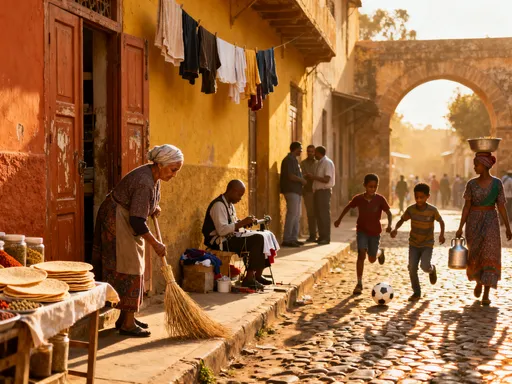
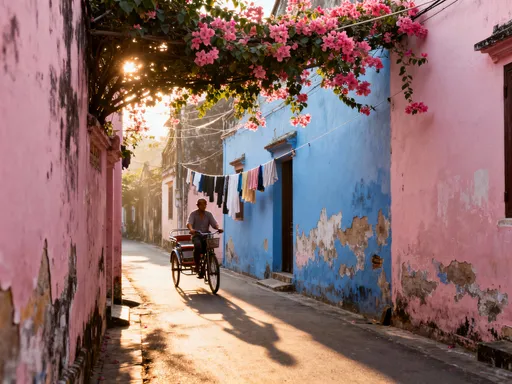
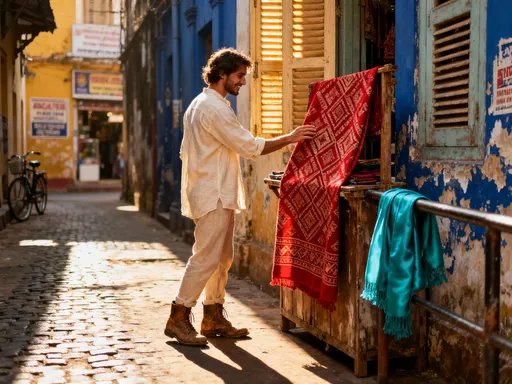
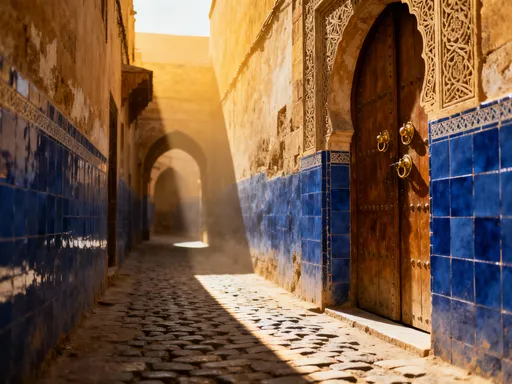
Fes el-Bali, the ancient walled city of Fes, is one of the world’s best-preserved medieval Islamic urban centers and a designated UNESCO World Heritage Site. Spanning over 580 acres, it holds the distinction of being the largest car-free urban zone on the planet. Stepping into its maze-like streets is like entering a living museum—each alleyway pulses with history, commerce, and daily life. The medina’s charm lies not only in its age but in the sensory richness of its architecture: doors painted in deep cobalt, saffron yellow, or forest green; cedar wood carved with Arabic calligraphy; and walls adorned with centuries-old zellige tilework. These details form an endless canvas for photography, where every turn reveals a new composition waiting to be captured.
What makes the medina particularly compelling for visual storytelling is the way light transforms its surfaces throughout the day. In the early morning, soft golden rays filter through narrow passageways, illuminating textures and casting delicate shadows that highlight the craftsmanship of stone and wood. By midday, sunlight bounces off reflective tile mosaics, creating vibrant patches of color that dance across courtyards. As dusk approaches, the warm glow of lanterns begins to flicker, adding depth and warmth to scenes that feel both intimate and timeless. Photographers will find that timing their visit around these natural light shifts dramatically enhances the emotional tone of their images.
For those navigating the medina for the first time, a few practical tips can make the experience more rewarding. The best times to explore are early in the morning—ideally between 7:00 and 9:00 a.m.—when foot traffic is lighter, shopkeepers are opening their stalls, and the air carries a quiet stillness perfect for contemplative shots. Late afternoon, just before sunset, also offers excellent lighting conditions and a lively atmosphere as families return home and artisans wrap up their work. To avoid feeling overwhelmed by the complexity of the alleys, hiring a local guide is highly recommended. Not only do they help prevent disorientation, but they also provide context about the history and significance of certain buildings or neighborhoods, enriching both the journey and the photographs taken.
Respectful photography etiquette is essential in such a densely populated and culturally rich environment. Always ask permission before photographing people, especially women and children, and be mindful of private spaces. Some residents may decline to be photographed for religious or personal reasons, and that choice must be honored without persuasion. When photographing shop interiors or craftspeople at work, a small purchase or kind gesture often opens doors to more authentic interactions and better photo opportunities. Ultimately, the medina is not just a backdrop—it’s a living community, and approaching it with humility and curiosity results in images that carry genuine meaning.
Zellige Everywhere: The Art of Moroccan Tilework
One of the most defining visual elements of Fes is its mastery of zellige—the traditional Moroccan art of hand-chiseled ceramic tiles arranged into intricate geometric patterns. Found on mosques, madrasas, fountains, and even humble doorways, zellige is more than decoration; it is a symbolic language rooted in Islamic aesthetics, where infinite repetition represents the boundlessness of divine creation. The precision and symmetry of these designs reflect centuries of mathematical and artistic refinement, making them a dream subject for photographers seeking structure, color, and depth.
Among the finest examples are the Bou Inania Madrasa and the Al-Attarine Madrasa, two 14th-century religious schools that showcase zellige at its most elaborate. At Bou Inania, the exterior façade bursts with deep blue, green, and white tiles forming stars, hexagons, and interlocking polygons. Inside, the central courtyard is framed by arched galleries lined with cedar wood latticework and walls covered in mosaics so detailed they seem to shimmer when viewed from different angles. Similarly, Al-Attarine—once a perfume market and now a center of learning—features breathtaking tilework that complements its carved plaster columns and gilded ceilings. Both sites offer endless framing possibilities, whether capturing the full symmetry of a courtyard or zooming in on a single tile pattern that tells a story through geometry.
From a photographic perspective, zellige presents unique challenges and rewards. Because the tiles are often highly reflective, shooting during midday sun can result in harsh glare that washes out colors and obscures detail. The ideal time to photograph these surfaces is during the “golden hours”—shortly after sunrise or before sunset—when the light is softer and angled, enhancing texture and depth. Using a polarizing filter can also help reduce reflections on glossy tiles, allowing the true vibrancy of the pigments to come through. For wide compositions, a wide-angle lens allows photographers to capture the full scope of architectural harmony, while macro lenses reveal the handcrafted imperfections that give each tile its character.
Beyond technical considerations, understanding the cultural significance of zellige adds emotional weight to every image. These patterns are not random; they follow strict mathematical principles derived from Islamic philosophy, where representational art is avoided in favor of abstract forms that point to spiritual truths. Photographing zellige becomes an act of honoring this tradition—not merely documenting beauty, but bearing witness to a living craft passed down through generations. When visitors take the time to learn about the meaning behind what they’re photographing, their images gain layers of context that resonate far beyond aesthetics.
Hidden Courtyards and Secret Riads: Behind the Walls
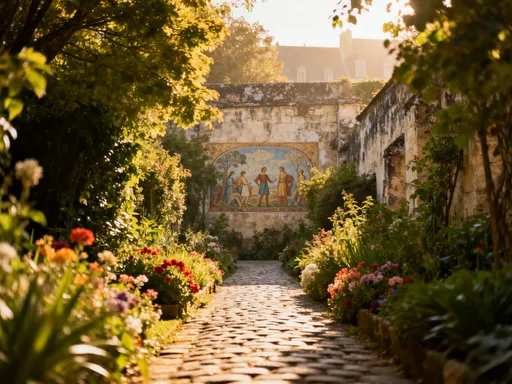
One of the most enchanting architectural secrets of Fes is the traditional riad—a private home built around a central courtyard, often invisible from the outside. To the untrained eye, many of these residences appear unremarkable, with plain stone façades and modest doorways that blend into the surrounding alleys. But step inside, and the transformation is astonishing. Lush orange trees rise from tiled patios, water trickles from bronze fountains, and sunlight filters through carved wooden lattices, casting intricate shadows on walls covered in stucco arabesques. These inner sanctuaries, designed for privacy and tranquility, represent the heart of Fassi domestic architecture and offer some of the most poetic photo opportunities in the city.
Luckily, many riads have been converted into guesthouses or cultural spaces that welcome visitors, allowing travelers to experience these hidden interiors firsthand. Staying at a riad—even for just one night—provides unparalleled access to spaces that few outsiders ever see. Morning light spills into the courtyard as breakfast is served on low tables beneath citrus trees, creating serene scenes ideal for quiet, contemplative photography. Evening brings a different mood, as lanterns are lit and the scent of jasmine fills the air, turning the space into a dreamlike setting perfect for long-exposure shots or portraits bathed in warm, ambient glow.
The contrast between the austere exteriors and opulent interiors speaks volumes about Moroccan values—modesty in public life, richness in private devotion. This duality is not only architecturally striking but emotionally resonant, especially for photographers interested in storytelling. Capturing this juxtaposition requires patience and sensitivity. Rather than rushing in with a camera, it’s important to pause, observe, and allow the space to reveal itself. Many riads encourage guests to sit quietly, sip mint tea, and absorb the atmosphere before lifting a lens. When photos are taken with intention, they reflect not just beauty, but a sense of peace and belonging.
For those unable to stay overnight, several riads offer daytime visits through guided cultural tours or café experiences. Some even host art exhibitions or music events, providing additional layers of visual interest. Whether sipping tea in a sun-dappled courtyard or photographing the play of light on a fountain’s surface, these moments invite a slower, more mindful way of seeing. By respecting the sanctity of these spaces—keeping voices low, avoiding intrusive shots, and dressing modestly—visitors contribute to the preservation of a tradition that continues to thrive in the heart of Fes.
Gates, Bridges, and Elevated Vistas
While much of Fes’s magic unfolds at ground level, some of its most iconic views come from above. The city’s elevated vantage points offer sweeping panoramas of red-tiled rooftops, winding alleys, and minarets piercing the skyline. Among the most photographed landmarks is Bab Bou Jeloud, the grand entrance to the medina known as the “Blue Gate.” Its horseshoe arch, intricately carved with zellige and stucco, frames the bustling street beyond and serves as both a symbolic threshold and a stunning photographic subject. Early in the morning, when tourists are fewer and light bathes the blue tiles in soft contrast, it’s possible to capture the gate in relative solitude—a rare feat in such a popular spot.
Lesser-known but equally compelling are the footbridges that cross over key sections of the medina. These pedestrian walkways, often tucked away near souk entrances or residential zones, provide unobstructed views down into the labyrinth below. From these heights, the city reveals its organic structure—narrow alleys branching like veins, rooftop terraces drying laundry in the sun, and shopkeepers arranging goods in colorful displays. The dynamic interplay of shadow and light across thousands of rooftops creates a textured tapestry that changes with the hour, offering photographers a constantly evolving canvas.
For golden hour and twilight photography, rooftop terraces are unmatched. Several cafes and restaurants in the medina offer access to elevated terraces with panoramic views, including spots near the Qarawiyyin Mosque and along the edges of the Andalusian Quarter. Arriving at least an hour before sunset ensures time to scout compositions and set up equipment. As daylight fades, the city transitions from warm amber tones to deep indigo, with individual lights beginning to twinkle like stars across the urban landscape. Long-exposure techniques can capture this transformation beautifully, turning moving figures into soft blurs while keeping architectural lines sharp and defined.
Safety and accessibility are important considerations when visiting elevated locations, especially for solo travelers or those unfamiliar with the terrain. Many staircases leading to rooftops are narrow, uneven, or poorly lit, so wearing sturdy shoes and carrying a small flashlight is advisable. It’s also crucial to confirm that rooftop access is permitted—some terraces are private or part of residential buildings. When in doubt, visiting through a licensed tour operator or dining at an established rooftop venue ensures both safety and compliance with local norms. With thoughtful planning, these high-angle perspectives add powerful dimension to any photographic journey through Fes.
Craft Quarters: Where Architecture Meets Artistry
Beyond its ornate religious and domestic architecture, Fes is renowned for its artisan quarters, where centuries-old crafts continue to thrive within the same stone-walled workshops used by generations past. The tanneries, metalworkers’ souks, and woodcarving districts are not just economic hubs—they are living galleries where function and form merge seamlessly. The Chouara Tannery, perhaps the most famous, offers a striking visual spectacle: a network of stone pits filled with vibrant dyes—saffron yellow, henna red, indigo blue—where workers hand-treat leather using methods unchanged since the Middle Ages. From above, the scene resembles an abstract painting, with geometric pools of color set against weathered stone and wooden walkways.
Photographing these spaces requires both technical adaptability and ethical awareness. The tannery, in particular, emits strong odors due to the use of natural agents like pigeon droppings and cow urine in the tanning process, so visitors are typically given sprigs of mint to hold under their noses. While the sensory experience is intense, the visual payoff is extraordinary. Wide-angle shots capture the scale and symmetry of the dye pits, while close-ups reveal the texture of hides being stretched, rinsed, and dried in the sun. The interplay of smoke, steam, and sunlight adds a gritty realism that contrasts beautifully with the polished elegance of the city’s mosques and madrasas.
Equally compelling are the metalworking and copper-smithing quarters, where artisans hammer, engrave, and assemble lanterns, teapots, and trays with astonishing precision. Sparks fly in dimly lit workshops as craftsmen shape molten metal, their faces illuminated by flickering forge light. These environments offer dramatic chiaroscuro effects ideal for black-and-white photography or moody color compositions. However, it is vital to seek permission before photographing individuals at work. Many artisans welcome attention if approached politely, and some even pause briefly for portraits if offered a small token of appreciation. Respecting their labor and dignity ensures that the resulting images honor their craft rather than exploit it.
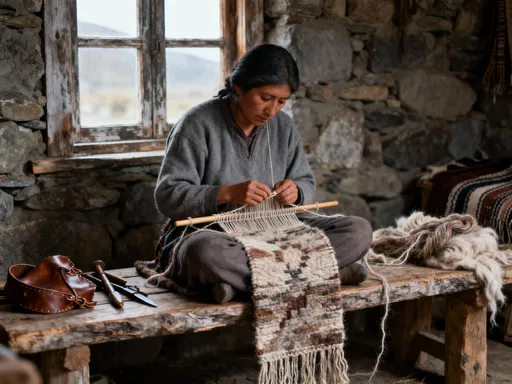
These working neighborhoods remind us that Fes is not a museum frozen in time, but a city where tradition lives through daily practice. Photographing them allows travelers to document authenticity—the sweat, skill, and pride behind every handmade object. By focusing on details rather than just wide shots, photographers can tell richer stories: a hand smoothing leather, a chisel etching a pattern, a child watching an elder work. These moments, fleeting yet profound, capture the soul of Fes in a way no postcard ever could.
Modern Meets Ancient: Contemporary Spaces in Tradition
While Fes is deeply rooted in history, it is also embracing thoughtful modernization through the restoration and repurposing of historic buildings into cultural centers, boutique galleries, and design-forward accommodations. Dar Batha Museum, once a royal residence, now houses an exquisite collection of Moroccan art within a 19th-century palace featuring Andalusian gardens, carved cedar ceilings, and zellige courtyards. The way natural light filters through latticed windows onto displays of textiles, ceramics, and woodwork makes it a favorite among photographers seeking elegant, softly lit compositions. Unlike larger museums, Dar Batha maintains an intimate atmosphere, allowing for unhurried exploration and detailed shots without crowds.
Other revitalized spaces include contemporary art galleries housed in old merchant homes, where minimalist curation enhances the original architecture. Clean lines, neutral walls, and strategic lighting draw attention to both the artwork and the historic features—arched doorways, vaulted ceilings, mosaic floors—that frame each exhibit. These hybrid environments create a visual dialogue between past and present, offering photographers opportunities to capture contrasts: a modern abstract painting against a centuries-old stucco wall, or a sleek glass display case reflecting a domed ceiling. Instagram-favorite corners abound, particularly in spots where sunlight streams through stained-glass windows, casting colorful patterns on polished floors.
Visiting these spaces during weekday mornings or late afternoons helps avoid the influx of school groups and tour buses. Early arrivals also coincide with optimal lighting conditions, when the sun aligns perfectly with interior courtyards and windows. Because flash photography is often prohibited to protect artifacts, mastering natural light becomes essential. Using a tripod (where permitted) or increasing ISO settings allows for sharper images in lower-light areas without compromising quality. Additionally, many of these venues host temporary exhibitions or cultural events, which can add dynamic elements—live music, calligraphy demonstrations, or fashion shows—that enrich the photographic narrative.
These modern interpretations of tradition demonstrate that heritage and innovation are not mutually exclusive. By thoughtfully integrating contemporary design into historic structures, Fes preserves its identity while inviting new forms of expression. For photographers, this blend offers a broader visual vocabulary—one that honors the past while engaging with the present. Each image taken in these spaces becomes a testament to continuity, showing how beauty and craftsmanship endure across time.
Why Fes Should Be Your Next Photo Journey
Fes is not a city that reveals itself all at once. It unfolds slowly, in fragments—a sliver of light on a tile, the sound of water in a hidden courtyard, the smile of a craftsman pausing from his work. What sets it apart from more commercialized destinations is its authenticity. There are no staged photo ops or artificial backdrops; every image captured here is rooted in real life, real history, and real human connection. For photographers seeking depth over perfection, Fes offers a rare gift: the chance to create work that feels meaningful, not just beautiful.
The architectural richness of the city—its zellige, its riads, its gates and courtyards—provides endless inspiration, but it is the stories behind these structures that give photographs their soul. Each tile was laid by hand. Each door opens into a home where families gather. Each alley has witnessed centuries of footsteps. When travelers approach Fes with curiosity and respect, their images become more than souvenirs—they become acts of preservation, honoring a culture that values beauty, craftsmanship, and community.
Mindful travel is key to this experience. This means asking before photographing, dressing modestly, speaking softly, and supporting local artisans through ethical purchases. It means choosing experiences that benefit the community, such as guided tours led by residents or stays at family-run riads. When photography is practiced with intention, it fosters connection rather than extraction. The best images from Fes are not those taken from a distance, but those born from moments of genuine presence.
So if you’re ready to step off the beaten path and into a city that rewards patience and wonder, let Fes be your next destination. Bring your camera, your open heart, and your sense of adventure. Wander its alleys without a map. Sit in a courtyard with a cup of tea. Let the light guide you. You won’t just capture beautiful photos—you’ll carry home memories that stay with you long after the memory card is full.