You Won’t Believe This Urban Vibe in the Middle of Nowhere Kenya
I never thought “urban” and “wilderness” could go together—until I checked in to Masai Mara. It’s not just endless savannahs and wildlife; there’s a whole new rhythm here, blending modern comfort with raw nature. Think eco-lodges with Wi-Fi, open-air design spaces, and cultural hubs buzzing with energy. This isn’t your typical safari stop. The way people live, connect, and design spaces here? Mind-blowing. Let me take you through the unexpected urban soul of the wild.
Reimagining Masai Mara: Where Wilderness Meets Modern Living
The Masai Mara National Reserve has long been synonymous with untamed nature—golden grasslands stretching to the horizon, herds of wildebeest thundering across the plains, and lions resting beneath acacia trees. For decades, travelers came expecting little more than canvas tents and basic amenities, trading comfort for the thrill of immersion in one of Africa’s most iconic ecosystems. But today, a quiet revolution is unfolding. The idea of what a safari can be is evolving, and at its heart is a surprising fusion: the rise of eco-urban spaces that blend sustainability, design, and connectivity without compromising the integrity of the landscape.
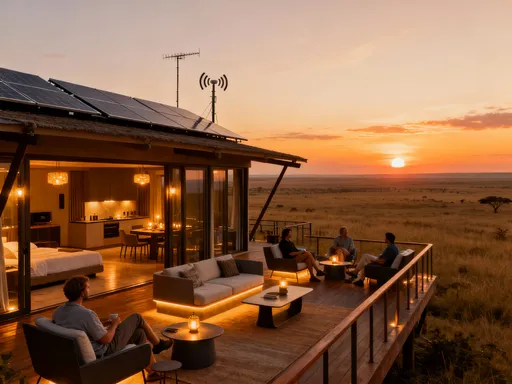
This transformation does not mean turning the Mara into a city. Instead, it reflects a deeper understanding of how people—both visitors and local communities—want to engage with nature in the 21st century. Modern travelers seek more than just observation; they desire participation, comfort, and meaningful connection. In response, a new generation of accommodations and community centers has emerged—spaces that feel both grounded in tradition and attuned to contemporary life. These are not isolated luxury resorts but thoughtfully integrated environments where solar panels power Wi-Fi routers, rainwater harvesting systems support kitchen operations, and open-air lounges double as gathering places for cultural exchange.
What makes this shift remarkable is how seamlessly these innovations coexist with the natural world. Lodges are built using locally sourced timber and stone, designed to follow the contours of the land rather than dominate it. Communal dining areas open onto sweeping views of the savannah, allowing guests to enjoy gourmet meals while watching elephants move through the distance. Community centers serve as hubs for education, health initiatives, and artisan markets, creating a rhythm of daily life that mirrors the vibrancy of urban neighborhoods—yet remains rooted in Maasai values and ecological stewardship. This is not urbanization in the conventional sense, but rather a reimagining of what living well in remote places can look like.
Check-In Culture: How Travelers Are Redefining Safari Stays
In the past, “checking in” to a safari lodge meant little more than signing a guestbook and receiving a room key. Today, the concept carries deeper meaning. To check in is to become part of a place—to engage with its culture, ecology, and community. This shift is driven by a new kind of traveler: one who values authenticity but also expects a certain level of comfort and connectivity. These guests are not looking to rough it; they want to experience the wild without disconnecting from the rest of their lives.
At select eco-lodges across the Mara, the guest experience begins long before arrival. Digital check-ins allow visitors to confirm travel plans, select meal preferences, and even choose their preferred safari guide—all from their smartphones. Upon arrival, they are greeted not with rigid formality, but with warmth and intention. Staff introduce them to the lodge’s sustainability practices, explain how waste is composted or recycled, and invite them to participate in community visits or conservation talks. The stay becomes less about consumption and more about contribution—a subtle but powerful shift in mindset.
Guests often speak of the balance they find during their stay. One visitor shared, “I came for the Great Migration, but I stayed for the conversations—over dinner, around the fire, even in the yoga pavilion. I felt both energized and at peace.” Another noted, “I was able to finish work projects in the morning, go on a game drive by noon, and still have time to learn beading from local women in the afternoon.” These testimonials reflect a growing trend: travelers are no longer satisfied with passive observation. They want to feel present, connected, and capable of maintaining their routines—even in the middle of the wilderness.
The Architecture of Connection: Designing Urban-Like Spaces in Nature
Architecture plays a crucial role in shaping the experience of these new-generation lodges. Unlike traditional safari camps that prioritize function over form, today’s designs emphasize aesthetics, flow, and social interaction. Inspired by boutique hotels and urban co-living spaces, these structures use open layouts, natural light, and locally inspired art to create environments that feel both luxurious and authentic.
Many lodges feature communal lounges with low-slung sofas, handwoven textiles, and coffee tables stacked with books on wildlife, conservation, and Maasai heritage. Dining areas are designed for conversation—long wooden tables encourage guests to share stories, while outdoor kitchens allow them to watch meals being prepared with fresh, regional ingredients. Some properties include co-working nooks with ergonomic chairs, charging stations, and fast internet, catering to the growing number of remote workers who choose the Mara as a destination for “workcations.”
The use of local materials is central to this architectural philosophy. Thatched roofs, mud-plastered walls, and reclaimed wood floors are not just design choices—they are statements of respect for the environment and culture. Architects collaborate closely with Maasai artisans, incorporating traditional patterns into wall murals, furniture, and textiles. The result is a space that feels neither imported nor artificial, but organically rooted in its surroundings. One designer described the approach as “building with the land, not on it”—a principle that guides everything from orientation to minimize sun exposure to the placement of windows that frame dramatic sunrise views.
Equally important is how these spaces foster human connection. In cities, people gather in cafes, parks, and plazas. In the Mara, similar social dynamics emerge around fire pits, swimming pools, and observation decks. These are not just places to relax—they are venues for exchange, learning, and relationship-building. The architecture, in essence, becomes a facilitator of community, bridging the gap between visitor and host, tradition and innovation.
Community Hubs: The Hidden Urban Pulse of the Mara
Beyond the lodges lies another layer of this evolving landscape: the community hubs that serve as the social and cultural heart of the region. These are not tourist attractions in the conventional sense, but living, breathing centers of activity where education, entrepreneurship, and conservation converge. Craft markets, women’s cooperatives, and youth-led conservation groups operate with a level of organization and energy that rivals any small-town downtown.
One such hub is the Olare Orok Cultural Centre, a vibrant space where Maasai elders teach traditional storytelling, beadwork, and dance to younger generations while also welcoming visitors for guided sessions. Here, tourism is not a one-way transaction; it is a dialogue. Guests leave not only with souvenirs but with a deeper understanding of the people whose land they are visiting. The center also hosts health workshops, literacy programs, and environmental talks, making it a vital resource for the surrounding villages.
Other initiatives include mobile veterinary clinics that protect both livestock and wildlife, and solar-powered learning labs where children access digital education tools. These hubs are often supported by partnerships between local leaders, conservation NGOs, and tourism operators, ensuring that economic benefits flow directly to the community. When travelers visit these spaces, they are not merely observing—they are participating in a model of sustainable development that empowers residents while preserving cultural identity.
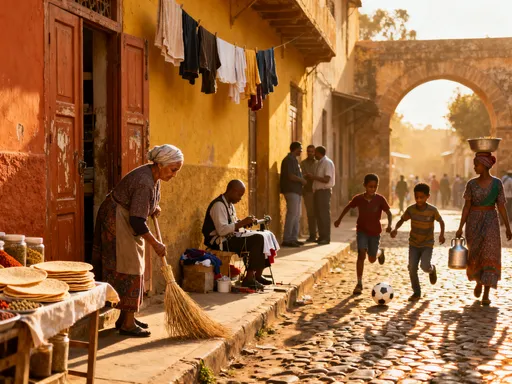
The energy in these hubs is palpable. On market days, women in brightly colored shukas display intricate beadwork, leather bags, and handmade jewelry. Children run between stalls, laughing and practicing English phrases they’ve learned in school. Elders sit under shade trees, discussing community matters with quiet authority. It is a scene of vitality and resilience—one that challenges the outdated notion of rural Africa as isolated or stagnant. In the Mara, rural does not mean disconnected. It means connected in different ways—through tradition, land, and shared purpose.
Staying Connected: Wi-Fi, Apps, and the Digital Safari Experience
One of the most unexpected aspects of the modern Mara experience is the level of digital connectivity. High-speed Wi-Fi, once unthinkable in such a remote region, is now standard at many eco-lodges. This is not about encouraging screen addiction, but about enabling choice. Travelers can now decide when to unplug and when to stay engaged—with family, work, or global events—without feeling cut off from the world.
The availability of reliable internet has transformed the way people travel. Remote workers book extended stays, using the Mara as a base for digital nomadism. Families share real-time updates with loved ones back home, posting photos of giraffes grazing outside their cabins or sunsets over the plains. Photographers upload images directly to cloud storage, ensuring their work is safe and accessible. Even conservationists benefit—field researchers use mobile apps to log animal sightings, track migration patterns, and coordinate with park rangers.
Digital tools are also enhancing the guest experience. Some lodges offer custom apps that provide daily safari schedules, weather updates, and cultural tips. Others integrate augmented reality features that allow visitors to learn about bird species or plant life simply by pointing their phones at them. These technologies do not replace the rawness of nature—they deepen it, offering layers of understanding that enrich the journey.
Yet, there is a conscious effort to maintain balance. Many lodges designate tech-free zones—such as meditation gardens or night-time fire circles—where guests are encouraged to be fully present. Staff gently remind visitors that while connectivity is available, the true magic of the Mara lies in its silence, its vastness, its ability to reset the soul. The goal is not to replicate city life, but to bring the best of it—convenience, communication, creativity—into a setting where it can coexist with wilderness.
Sustainable Urbanism: How Growth Doesn’t Mean Losing the Wild
As the Mara evolves, a critical question arises: Can development happen without harm? The answer lies in the principle of sustainable urbanism—a model that prioritizes low-impact growth, environmental protection, and community well-being. Unlike conventional urban expansion, which often leads to deforestation, pollution, and displacement, the development seen in the Mara is guided by strict ecological and cultural safeguards.
Waste management is a top priority. Many lodges operate zero-waste policies, composting organic material and recycling plastics and metals. Some have eliminated single-use plastics entirely, providing guests with reusable water bottles and filtration systems. Water conservation is equally important—low-flow showers, greywater recycling, and drought-resistant landscaping help preserve this precious resource in a region where rainfall can be unpredictable.
Energy use is another area of innovation. Solar power is now the norm, with photovoltaic panels integrated into lodge rooftops and community buildings. These systems not only reduce carbon emissions but also ensure reliability in areas where the national grid does not reach. Some properties have gone a step further by installing battery storage units, allowing them to operate independently even during cloudy periods.
Equally significant is the emphasis on responsible partnerships. Tourism operators work closely with the Maasai landowners who lease the land for conservation and hospitality. Revenue-sharing agreements ensure that communities benefit directly from tourism, funding schools, clinics, and infrastructure projects. Conservation NGOs provide training in sustainable land management, helping families balance livestock grazing with wildlife protection. These collaborations create a system where economic growth supports, rather than threatens, environmental integrity.
Why This Matters: The Future of Travel Is Balanced, Not Binary
The transformation of the Masai Mara reflects a broader shift in how people think about travel. No longer is it a choice between roughing it or luxury, nature or comfort, adventure or convenience. Today’s travelers seek integration—they want to feel challenged and cared for, immersed and informed, disconnected and connected. The Mara’s evolution shows that these desires are not contradictory, but complementary.
More importantly, this model offers a blueprint for other remote destinations facing similar pressures. As global tourism grows, so does the risk of overdevelopment, cultural erosion, and environmental damage. The Mara demonstrates that innovation does not have to come at the expense of authenticity. Thoughtful design, community leadership, and ecological responsibility can coexist—and even reinforce one another.
For the women who run beadwork cooperatives, the young guides who lead safaris with pride, the elders who pass down stories under the stars, this evolution is not about becoming more like the city. It is about defining their own future—on their own terms. They are not resisting modernity; they are shaping it, ensuring that progress serves both people and planet.
This is the heart of the new Mara: a place where tradition and innovation walk side by side, where comfort enhances rather than diminishes the wild, and where every guest has the chance to be part of something meaningful. It is a reminder that travel, at its best, is not just about seeing new places—it is about reimagining what is possible.
Masai Mara isn’t just surviving the modern world—it’s redefining it on its own terms. The blend of wild beauty and thoughtful urban-like spaces creates a new kind of journey, one where you can track lions by day and video-call your team by night. This isn’t contradiction; it’s evolution. And if you’re looking for a destination that feels both ancient and forward-thinking, this is it. The future of travel isn’t about choosing between wilderness and comfort. It’s about having both—intentionally, responsibly, beautifully.