You Won’t Believe What I Found Hiking Near Victoria—Art in the Wild!
Hiking around Victoria, Canada, I expected nature—but not open-air art hidden in the forests and coastal trails. What started as a simple trek turned into a cultural treasure hunt, where every turn revealed murals, sculptures, and Indigenous carvings blending with the landscape. This isn’t just a walk in the woods; it’s a journey where art and wilderness collide in the most unexpected ways. If you think hiking is only about views, wait till you see this.
Why Victoria Is More Than Just a Garden City
Victoria is often celebrated for its immaculate gardens, historic architecture, and the timeless tradition of afternoon tea at the Fairmont Empress. While these attractions draw visitors from across the globe, they only tell part of the story. Beyond the manicured lawns and bustling Inner Harbour lies a wilder, quieter Victoria—one where moss-draped forests meet rugged coastlines and the scent of salt and cedar fills the air. The region’s mild climate and unique geography create ideal conditions for year-round hiking, with trails winding through coastal rainforests, over rocky bluffs, and along serene lakeshores.
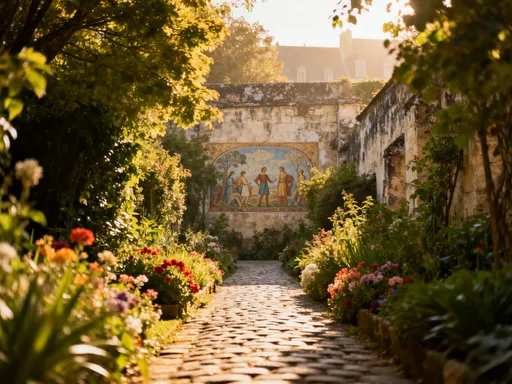
What makes hiking near Victoria truly special is the seamless integration of culture into the natural environment. Unlike cities where art is confined to galleries and museums, here it spills outdoors, becoming part of the landscape. Public art installations are thoughtfully placed along trails, often created in dialogue with the surrounding ecosystem. This harmonious blend reflects a deep respect for both nature and creativity, making every hike not just a physical journey but a sensory and cultural experience. Whether you're walking beneath towering firs or pausing at a cliffside overlook, you’re never far from a quiet artistic surprise.
The city’s proximity to diverse ecosystems—ranging from Garry oak meadows to temperate rainforests—also contributes to its appeal. These environments have long inspired local artists, particularly members of the Coast Salish communities whose ancestral connection to the land continues to shape the region’s cultural identity. As a result, the trails around Victoria are not just pathways through nature, but corridors of storytelling, where every carving, mural, and sculpture carries meaning. For the mindful hiker, this transforms a simple walk into a deeper exploration of place, history, and human expression.
Trails That Tell Stories: Where Hiking Meets Culture
Some of the most rewarding hikes near Victoria are those that weave cultural expression into the natural journey. The Galloping Goose Regional Trail, a 55-kilometer multi-use path stretching from Victoria to Sooke, is more than just a scenic route—it’s a living gallery. Along its length, hikers encounter a variety of public art pieces, from metal sculptures depicting local wildlife to painted utility boxes that celebrate regional flora. These installations are often the work of community artists and collectives, supported by local governments and arts councils committed to making culture accessible to all.
One standout section of the trail passes through the Elk Lake area, where a series of interpretive signs and small sculptures highlight the ecological importance of wetlands. A steel heron stands motionless near the reeds, its reflective surface mirroring the water, while a carved wooden salmon marks a spawning site. These pieces do more than beautify the trail—they educate, inviting hikers to pause and consider the delicate balance of the ecosystem they’re moving through. For families and curious adults alike, this blend of art and environmental awareness enhances the hiking experience, turning it into an informal outdoor classroom.
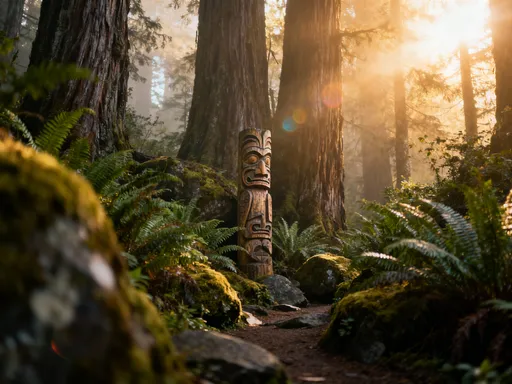
Another remarkable route is the Thetis Lake Loop, a 3.8-kilometer trail popular for its rocky outcrops and freshwater swimming spots. Here, art appears in subtler forms: a mosaic-tiled bench crafted by local schoolchildren, a weathered totem pole standing sentinel at a trail junction, or a series of painted rocks arranged like a story along the path. These installations, though modest in scale, carry emotional weight. They reflect community pride and a shared desire to mark the land with meaning. The presence of First Nations carvings, in particular, adds a layer of historical depth, reminding hikers that this land has been lived on, celebrated, and honored for generations.
The Hidden Art of the West Coast: A Hiker’s Discovery
There’s a unique kind of magic in stumbling upon art where you least expect it. On a quiet morning hike along the Juan de Fuca Marine Trail, I rounded a bend shrouded in ferns and mist—and there it was: a cedar mask tucked into the crook of an ancient tree, its weathered face peering gently from the shadows. No sign explained its origin, no plaque listed the artist. It simply existed, part of the forest, as if the trees themselves had chosen to speak. That moment of discovery sent a quiet thrill through me—a reminder that art doesn’t need walls or spotlights to move the soul.
Further along the coast, near China Beach, I found a driftwood sculpture shaped like a whale’s tail rising from the sand. Tidal debris had been transformed into something poetic, a tribute to the marine life that thrives in these waters. Nearby, a stone cairn bore small carvings of orcas and eagles, placed there by hikers paying quiet homage. These spontaneous, often anonymous creations are part of what makes the West Coast so special. They emerge from a deep connection to place, a desire to leave not a mark of possession, but of respect and wonder.
Even rest stops and trailheads hold surprises. At Goldstream Provincial Park, a mosaic table inlaid with seashells and colored glass sits beneath a canopy of Douglas fir, inviting hikers to rest and reflect. In Beacon Hill Park, a series of painted boulders depict local legends and native plants, blending playfulness with education. These moments of beauty, often discovered in solitude, create lasting memories. They remind us that creativity thrives not only in studios but in the wild, where inspiration flows freely from the land itself.
Indigenous Culture Along the Path
As you hike through the traditional territories of the Coast Salish peoples, including the Lekwungen and W̱SÁNEĆ nations, you’re walking on land rich with cultural significance. Art along these trails often serves as a bridge between past and present, offering glimpses into worldviews shaped by centuries of connection to the sea, forests, and sky. Carved welcome figures, story poles, and petroglyph-inspired markers can be found on select public trails, placed with community guidance and cultural permission.
One powerful example is the series of carved wooden posts along the Dallas Road waterfront trail, each adorned with symbols representing different aspects of Coast Salish life—salmon for sustenance, cedar for shelter, the raven for storytelling. These are not mere decorations; they are visual narratives, teaching through imagery. For visitors, they offer a respectful introduction to Indigenous perspectives, fostering appreciation without intrusion. Importantly, sacred sites and ceremonial locations remain protected and private, with no public access or artistic replication, preserving their integrity.
Collaborative art projects between local governments and First Nations have also enriched the trail experience. In some parks, interpretive signs accompany carvings, providing context in both English and Indigenous languages. These efforts reflect a growing commitment to reconciliation and cultural visibility, allowing hikers to engage with history in a meaningful way. By recognizing the land as both a physical and cultural space, these installations invite deeper reflection on stewardship, identity, and belonging.
How to Plan Your Own Art-Focused Hike
Planning an art-centered hike around Victoria is easier than you might think. The region’s well-maintained trail system is accessible year-round, though spring and early fall offer the most comfortable temperatures and fewer crowds. Mornings are ideal for photography and quiet reflection, when light filters softly through the trees and the trails are still fresh. Most art-integrated paths are family-friendly, with options ranging from short 1-kilometer loops to full-day treks.
Start with trails known for their cultural elements. The Galloping Goose and Lochside Trail are excellent for cyclists and walkers alike, with clear signage and frequent art stops. Thetis Lake and Elk Lake are perfect for combining a swim with a cultural walk. For a more immersive experience, consider the Juan de Fuca Marine Trail, where backcountry hiking meets coastal artistry. Always check trail conditions with BC Parks or local visitor centers before heading out, especially after heavy rain, which can affect trail safety.
What you pack can enhance your experience. Bring a small notebook or camera to document discoveries, and consider downloading the Victoria Trail Map app, which includes a public art filter showing installations along routes. Wear sturdy footwear, pack water and snacks, and dress in layers—coastal weather can shift quickly. If you’re traveling with children, turn the hike into a scavenger hunt: see who can spot the first mural, the most animal carvings, or a hidden poem on a trail sign.
To extend the cultural journey, pair your hike with a visit to the Museum of Anthropology at the University of Victoria, which houses an outstanding collection of Northwest Coast Indigenous art. Downtown Victoria also boasts a vibrant street art scene, with murals on Courtney Street and Trounce Alley worth exploring. By connecting trail art with gallery exhibits, you gain a fuller picture of the region’s creative spirit.
Art Beyond the Trail: Victoria’s Creative Pulse
The art you find in the wild is not isolated—it’s part of a broader cultural current that runs through Victoria. The city has long been a haven for artists, writers, and craftspeople drawn to its natural beauty and supportive community. This creative energy spills into public spaces, from the murals that brighten alleyways to the seasonal sculptures installed in parks. Community art projects, often funded by municipal grants, encourage local talent to contribute to the city’s visual landscape.
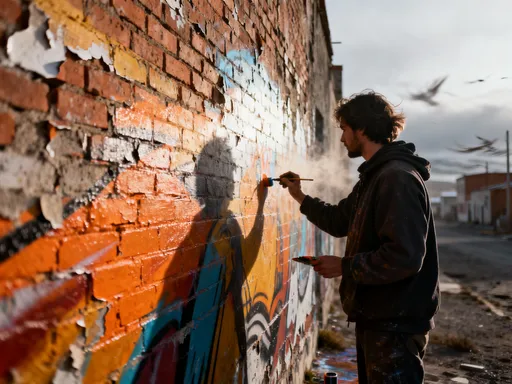
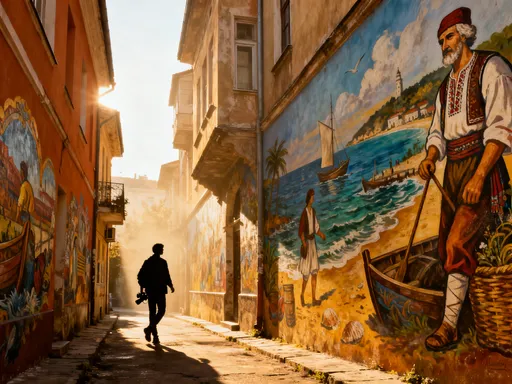
Seasonal events like the Victoria Mural Fest bring new works to light each year, with artists transforming blank walls into vibrant scenes of nature, history, and imagination. Some of these themes echo on the trails, creating a dialogue between urban and wilderness art. A mural of a wolf in downtown may find its counterpart in a carved wooden wolf along a forest path—two expressions of the same reverence for wildlife.
Craft markets, such as the one at Beacon Hill Park on weekends, offer another way to connect with local creativity. Here, you can meet artists selling handmade jewelry, textiles, and carvings—many inspired by the same landscapes you’ve just hiked through. Street performers often play traditional and contemporary music, adding an auditory layer to the city’s artistic fabric. For visitors, this blend of visual, tactile, and auditory experiences completes the journey, turning a simple trip into a full immersion in place-based culture.
Why This Blend of Nature and Art Matters
In a world that often feels rushed and disconnected, the fusion of hiking and art offers something rare: a chance to slow down, observe deeply, and reconnect. When you encounter a sculpture nestled among the roots of an old-growth tree, or a mural painted on a rock face overlooking the sea, you’re invited to pause—not just with your body, but with your mind. These moments of surprise and beauty awaken a sense of wonder, reminding us that creativity and nature are not separate realms, but deeply intertwined.
There is also a quiet healing in this combination. Physical activity in nature reduces stress and improves well-being, while exposure to art stimulates the imagination and fosters emotional resonance. Together, they create a powerful synergy. For women in their 30s to 50s—often balancing family, work, and personal needs—this kind of experience offers renewal. It’s not about achievement or destination, but about presence. A hike with art becomes a form of gentle mindfulness, a way to reset and remember what matters.
Moreover, these trails serve as informal teachers. They tell stories of the land, its original stewards, and the communities that care for it today. They encourage respect, curiosity, and stewardship. By walking these paths, we don’t just pass through nature—we engage with it, learn from it, and leave with a deeper sense of belonging.
So the next time you plan a hike, look beyond the view. Seek out the hidden carvings, the quiet murals, the handmade benches that say, “Rest here, you’re welcome.” Let your trail be more than a path—let it be a story unfolding with every step. Victoria’s wild art is waiting, not in galleries, but in the open air, where creativity meets the whisper of the wind and the rustle of the trees. All you need to do is walk with eyes open, and heart ready to be surprised.