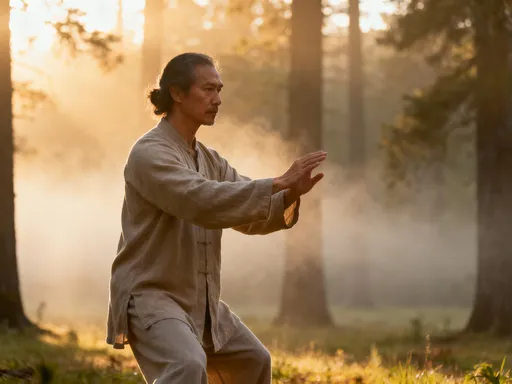
Why I Started Feeling Younger After Turning 40 — Real Talk from a Beginner
Turning 40 used to scare me — I imagined slow decline, stiff joints, and fading energy. But what if aging isn’t just about losing, but reclaiming? I began small: walking daily, eating more greens, and prioritizing sleep. Within months, I felt stronger, clearer, and more resilient. This isn’t about reversing time — it’s about feeling better now. If you’re starting your wellness journey, this one’s for you.
The Wake-Up Call: When My Body Said “Enough”
There was a morning, not long after my 40th birthday, when I stood up from tying my shoes and nearly stumbled. It wasn’t dizziness — it was weakness. My legs felt hollow, like they’d forgotten how to support me. That moment wasn’t dramatic, but it was undeniable. For months, I’d been brushing off signs: fatigue that coffee couldn’t fix, a stiffness in my knees when I stood after sitting, and a growing reluctance to do things I once loved, like hiking with friends or playing with my kids in the yard. I’d tell myself it was just aging — that this was how life was supposed to feel now.
But deep down, I knew something was off. I wasn’t injured. I wasn’t sick. I was simply out of sync with my body. The truth hit me when I missed my daughter’s school play because I was too tired to stay awake past 8 p.m. That wasn’t aging — that was neglect. I had spent years prioritizing everyone and everything else: work deadlines, family schedules, social obligations — but never my own well-being. My body wasn’t failing me; I was failing it.
That realization became my turning point. I didn’t want to spend the next 20 or 30 years feeling like I was constantly catching up. I wanted to feel capable again. I wanted to keep up with my family, enjoy my hobbies, and face each day with energy rather than dread. I began to understand that aging doesn’t have to mean decline — but only if I changed how I treated my body. The first step wasn’t about drastic changes. It was about listening. And for the first time in years, I finally did.
What “Anti-Aging” Really Means (Spoiler: It’s Not About Wrinkles)
When we hear the term “anti-aging,” most of us think of creams, serums, or cosmetic procedures designed to smooth wrinkles and tighten skin. But true anti-aging has very little to do with appearance. It’s about function. It’s about how well your body repairs itself, how quickly you recover from a busy day, and how resilient you are to stress, illness, and fatigue. The real goal isn’t to look younger — it’s to feel stronger, more alert, and more alive in your daily life.
At the cellular level, aging is influenced by processes like oxidative stress and chronic inflammation. These are natural byproducts of metabolism, but when they accumulate — often due to poor diet, lack of movement, or chronic stress — they accelerate the wear and tear on your body. The good news is that many of these processes can be slowed, even reversed to some degree, through lifestyle choices. For example, regular physical activity boosts circulation and helps clear out cellular waste. Eating whole, nutrient-dense foods provides antioxidants that neutralize damaging free radicals. And quality sleep supports autophagy — the body’s natural process of cleaning out damaged cells.
One of the most powerful but overlooked aspects of anti-aging is rehabilitation — not in the sense of recovering from injury, but in the sense of restoring optimal function. Think of your body like a car that’s been driven for years without proper maintenance. It still runs, but it’s sluggish, noisy, and inefficient. Rehabilitation is like a tune-up: it doesn’t make the car new again, but it helps it run smoothly and reliably. In the same way, small, consistent habits can help your body function better, even as you age. This isn’t about chasing youth — it’s about supporting your body’s natural ability to heal, adapt, and thrive.
My First Step: The 10-Minute Daily Walk That Changed Everything
I didn’t start with a gym membership or a complicated workout plan. I started with 10 minutes. Every day, after lunch, I stepped outside and walked around the block. No special shoes, no fitness tracker, no pressure to go fast or far. Just movement. At first, it felt almost pointless. Ten minutes? How could that possibly make a difference? But within a few weeks, I noticed subtle shifts. My legs felt less stiff in the mornings. I wasn’t as winded climbing the stairs. And I began to look forward to that quiet time — just me, the fresh air, and my thoughts.
Walking is one of the most underrated forms of exercise, especially for people over 40. It’s low-impact, accessible, and doesn’t require any special equipment. But its benefits are profound. Gentle movement improves circulation, which helps deliver oxygen and nutrients to your muscles and organs. It supports joint health by lubricating the cartilage and reducing stiffness. It also boosts mood by increasing endorphins and reducing stress hormones like cortisol. For me, the psychological benefits were just as important as the physical ones. Showing up every day — even when I didn’t feel like it — built a sense of discipline and self-trust.
That 10-minute walk became a foundation. After a month, I extended it to 15 minutes. Then 20. Eventually, I added short strength exercises — wall push-ups, bodyweight squats, and step-ups on the porch. But none of it would have happened if I hadn’t started small. The key wasn’t intensity — it was consistency. I learned that progress isn’t always visible. Some days, I didn’t feel different. But over time, the accumulation of movement added up to real change. My energy improved. My posture got better. And for the first time in years, I felt like I was on the right path.
Food Tweaks, Not Overhauls: Eating for Recovery, Not Perfection
I used to think that healthy eating meant strict diets, calorie counting, and giving up all my favorite foods. That mindset set me up for failure. Every time I tried to “eat clean,” I’d last a few days before falling back into old habits. What finally worked wasn’t a diet — it was a shift in perspective. Instead of focusing on restriction, I started thinking about nourishment. What could I add to my meals to help my body recover, repair, and function better?
The first change was simple: I started adding vegetables to every meal. Not huge portions — just a handful of spinach in my eggs, sliced bell peppers with my sandwich, roasted broccoli with dinner. Over time, those small additions increased my intake of fiber, vitamins, and antioxidants. I also made a habit of drinking a glass of water first thing in the morning and carrying a reusable bottle throughout the day. Hydration made a surprising difference — my digestion improved, my skin looked clearer, and I felt less bloated.
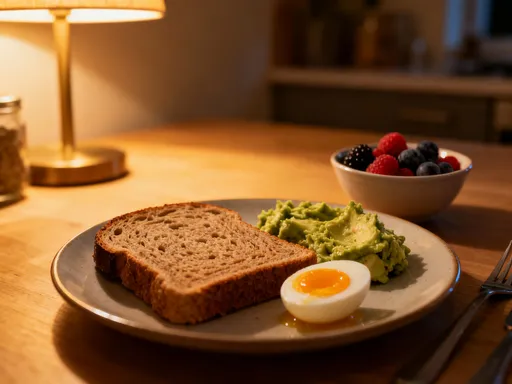
I didn’t eliminate any foods completely. I still enjoyed bread, pasta, and the occasional dessert. But I began to notice how I felt after eating certain things. Processed snacks made me sluggish. Sugary drinks spiked my energy and then left me crashing. Whole foods, on the other hand, gave me steady, lasting energy. I started choosing brown rice over white, whole-grain bread over refined, and grilled chicken over fried. These weren’t rigid rules — they were choices that added up over time. The result wasn’t weight loss or a dramatic transformation. It was feeling better — more alert, more balanced, and more in control of my energy levels.
Sleep: The Invisible Workout That Repairs Your Body
For years, I treated sleep like a luxury — something to get to if I had time. I’d stay up late answering emails, scrolling through my phone, or watching TV. I thought I was being productive, but I was actually sabotaging my health. It wasn’t until I started paying attention to my sleep that I realized how much it was affecting every part of my life. Poor sleep wasn’t just making me tired — it was weakening my immune system, clouding my thinking, and making it harder to manage stress.
Sleep is when your body does its most important repair work. It’s when tissues regenerate, memories are consolidated, and hormones are balanced. Without enough quality sleep, your body can’t recover from the day’s wear and tear. I decided to treat sleep like a non-negotiable part of my routine — just as important as eating or moving. I set a bedtime and stuck to it, even on weekends. I created a wind-down routine: turning off screens an hour before bed, dimming the lights, and reading a book instead. I made my bedroom cooler and darker, which research shows supports deeper sleep.
Within a few weeks, the changes were noticeable. I fell asleep faster. I woke up fewer times during the night. And most importantly, I woke up feeling refreshed instead of groggy. My focus improved during the day. I was less irritable with my family. And I had more energy to stay active. I realized that sleep wasn’t downtime — it was an essential part of my wellness strategy. It wasn’t passive rest; it was active recovery. And it made everything else I was doing — the walking, the eating, the mindset work — more effective.
Mindset Matters: How Patience Beat Perfection
One of the biggest obstacles I faced wasn’t physical — it was mental. I wanted quick results. I wanted to feel amazing within a week. When that didn’t happen, I felt discouraged. I’d compare myself to others — people who seemed to have it all together, who posted perfect meals and intense workouts on social media. But I slowly learned that real change doesn’t happen overnight. It happens in small, invisible ways that only become clear over time.
I started paying attention to subtle wins. Like the day I carried two grocery bags up the stairs without stopping. Or the morning I woke up without that familiar ache in my lower back. Or the week I didn’t catch the cold that was going around the office. These weren’t dramatic milestones, but they were real progress. I began to track them in a journal — not to obsess, but to remind myself that I was moving forward.
Letting go of perfection was liberating. I stopped aiming for flawless habits and started focusing on consistency. I learned that it’s okay to miss a walk, to eat pizza on Friday night, or to stay up late once in a while. What matters is the overall pattern. I also stopped seeing aging as something to fear. Instead, I began to respect my body for its resilience — for its ability to adapt, heal, and improve, even after years of neglect. That shift in mindset didn’t just change how I felt about my body — it changed how I showed up in my life. I became more patient, more compassionate, and more present.
Putting It All Together: A Realistic Routine for Long-Term Gains
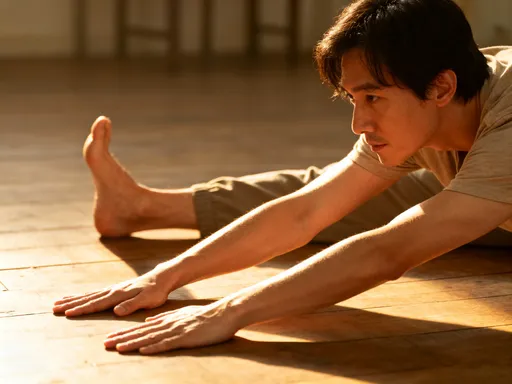
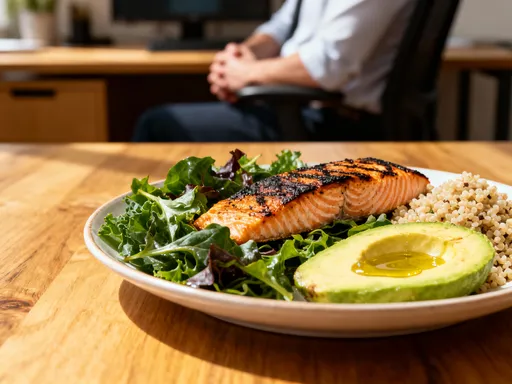
After months of experimenting, I settled into a simple, sustainable routine. Every morning, I drink a glass of water and spend five minutes stretching. I aim for a 20- to 30-minute walk most days, sometimes breaking it into shorter sessions if I’m busy. I eat meals that include vegetables, lean protein, and whole grains, and I listen to my hunger cues instead of eating out of habit. I stay hydrated throughout the day and avoid sugary drinks. In the evening, I power down my devices an hour before bed, read or journal, and aim to be asleep by 10:30 p.m.
This routine isn’t rigid. Some days are better than others. But the key is consistency, not perfection. I’ve learned that small, repeatable actions are more powerful than occasional intense efforts. You don’t need to run a marathon or overhaul your diet to feel better. You just need to show up for yourself, day after day, in small but meaningful ways.
It’s also important to know when to seek help. I consulted my doctor before making major changes, especially since I have a family history of high blood pressure. I also talked to a registered dietitian to make sure I was getting the nutrients I needed. Everyone’s body is different, and what works for me might not work for someone else. That’s why personalized advice matters. Wellness isn’t one-size-fits-all — it’s about finding what supports your unique needs and lifestyle.
Conclusion
Aging isn’t something to fight — it’s a process to support. My journey wasn’t about dramatic transformations, but daily choices that added up. The real win? Feeling capable, strong, and present in my body again. You don’t need extreme measures — just a willingness to start. And if I can do it, so can you.