What I Learned About Healing: Massage and Food That Actually Help
Recovery isn’t just about rest—what you do *and* what you eat matters. After months of rehabilitation, I discovered how massage therapy and smart dietary choices can work hand in hand to ease pain and speed healing. It’s not magic—just science-backed habits that make a real difference. This is what changed my recovery journey, shared in hopes it might help yours too.
The Hidden Link Between Bodywork and Nutrition in Recovery
Healing is not a single act but a chain of biological processes, each influenced by how we treat our bodies. Two of the most powerful, yet often overlooked, elements in recovery are physical bodywork—particularly therapeutic massage—and nutrition. These are not standalone fixes, but deeply interconnected systems. When muscles are strained or joints inflamed, circulation to the area often decreases, slowing the delivery of oxygen and nutrients needed for repair. Massage helps restore blood flow, while proper nutrition ensures that the blood carries the right building blocks—proteins, antioxidants, and essential fats—to support tissue regeneration.
Inflammation is a natural part of healing, but when it becomes chronic, it can delay recovery and increase discomfort. Diet plays a critical role in managing this response. Certain foods promote inflammation, while others actively reduce it. When combined with massage, which physically breaks down tension and improves lymphatic drainage, an anti-inflammatory diet amplifies the body’s ability to heal. Think of massage as opening the door for recovery, and nutrition as supplying the tools to rebuild. Together, they form a synergy that neither can achieve alone.
The science behind muscle recovery revolves around three pillars: circulation, nutrients, and rest. Circulation delivers oxygen and removes metabolic waste like lactic acid. Nutrients—especially protein, vitamin C, zinc, and omega-3 fatty acids—serve as the raw materials for repairing damaged tissue. Rest allows the body to focus energy on healing rather than daily exertion. Massage enhances circulation and reduces muscle stiffness, making it easier to rest comfortably. Meanwhile, meals rich in whole foods ensure that the body isn’t scavenging for nutrients while trying to recover. When all three elements are supported, healing becomes not just possible, but efficient.
My Aches, My Wake-Up Call: Facing Chronic Pain Honestly
For years, I dismissed my persistent shoulder stiffness and lower back discomfort as normal signs of aging or overwork. I adjusted my movements, avoided certain activities, and relied on occasional pain relievers to get through the day. But over time, the discomfort grew from background noise to a constant presence—interfering with sleep, limiting mobility, and dimming my energy. It wasn’t until I could no longer lift my granddaughter without wincing that I realized I needed to change course. Pain had become my wake-up call.
I began researching non-drug approaches to recovery, driven by a desire to avoid long-term medication use and its potential side effects. I learned that many people like me were turning to integrative methods—combining physical therapies with lifestyle adjustments—to manage chronic discomfort. My turning point came when I committed to rehabilitation, not as a quick fix, but as a long-term investment in my body’s resilience. This meant accepting that healing would take time, consistency, and a willingness to change habits I’d held for decades.
The emotional toll of slow healing is rarely discussed, yet it’s very real. There were days when progress felt invisible, and frustration threatened to derail my efforts. I questioned whether the changes I was making—like adjusting my diet or scheduling regular massage sessions—were worth the effort. But I held on to small victories: a deeper stretch, a night without waking from pain, a walk that didn’t leave me sore the next day. These moments became my anchors. Hope, I learned, isn’t about expecting immediate results—it’s about trusting the process, even when the path is slow.
Massage Therapy: More Than Just Relaxation
Many people associate massage with spa days and relaxation, but therapeutic massage is a clinical tool used in rehabilitation to address specific physical issues. Unlike light Swedish massage, which focuses on general relaxation, therapeutic techniques target muscle tension, scar tissue, and restricted movement. For someone in recovery, this can mean the difference between lingering stiffness and restored mobility. Massage helps by increasing blood flow to injured areas, reducing muscle spasms, and breaking down adhesions that form after injury or overuse.
Two of the most effective types of massage for recovery are deep tissue massage and myofascial release. Deep tissue massage applies firm pressure to reach deeper layers of muscle and connective tissue. It’s particularly helpful for chronic muscle tension, such as that caused by repetitive movements or poor posture. Myofascial release, on the other hand, focuses on the fascia—the web-like connective tissue that surrounds muscles and organs. When fascia becomes tight or restricted, it can pull on muscles and joints, contributing to pain and limited range of motion. By gently stretching and releasing these tissues, myofascial therapy can restore balance and ease discomfort.
The timing and frequency of massage sessions matter. For acute injuries, massage is usually delayed until the initial inflammation phase has passed—typically a few days to a week after the injury. Once cleared by a healthcare provider, regular sessions—such as once a week or every other week—can support ongoing recovery. For chronic conditions, consistent massage helps prevent the buildup of tension and maintains flexibility. Many people report improved sleep, reduced pain levels, and greater ease of movement after just a few sessions. While massage isn’t a cure, it’s a valuable tool that supports the body’s natural ability to heal when used appropriately.
Foods That Fight Inflammation: My Plate, My Recovery Tool
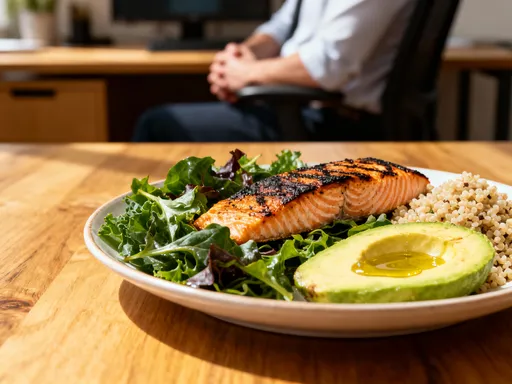
What we eat directly influences how our bodies respond to injury and stress. During recovery, the goal is to reduce unnecessary inflammation while providing nutrients that support tissue repair. This means emphasizing whole, unprocessed foods that are naturally rich in antioxidants, healthy fats, and phytonutrients. Some of the most effective anti-inflammatory foods include leafy green vegetables like spinach and kale, fatty fish such as salmon and mackerel, berries like blueberries and strawberries, and nuts such as walnuts and almonds.
Fatty fish are especially valuable because they contain high levels of omega-3 fatty acids, which have been shown in numerous studies to reduce inflammation in the body. Omega-3s help balance the ratio of omega-6 to omega-3 fats, which is often skewed in modern diets due to the high intake of processed vegetable oils. Leafy greens provide vitamin K and magnesium, both of which support muscle and bone health. Berries are packed with antioxidants like anthocyanins, which protect cells from oxidative stress. Nuts offer healthy fats and protein, helping to stabilize blood sugar and reduce cravings for less healthy snacks.
On the other hand, certain foods can worsen inflammation and slow healing. Refined sugars, found in sweets, sodas, and many packaged foods, trigger spikes in blood sugar that promote inflammatory responses. Processed oils like soybean and corn oil are high in omega-6 fats, which, when consumed in excess, can fuel inflammation. Even seemingly harmless snacks like crackers or pastries often contain both sugar and processed oils, making them a double burden on the healing process. Recognizing these hidden sources of inflammation was a turning point in my recovery.
Simple meal swaps made a noticeable difference. Instead of a sugary cereal for breakfast, I switched to oatmeal topped with berries and a handful of walnuts. For lunch, I replaced processed deli meats with grilled salmon or a lentil salad packed with vegetables. Dinner often became a stir-fry with tofu, broccoli, and olive oil—a meal that’s both satisfying and supportive of healing. These changes didn’t require drastic effort, but over time, they led to reduced stiffness, more stable energy, and a greater sense of well-being. Food, I realized, wasn’t just fuel—it was medicine.
Hydration and Healing: The Overlooked Rehab Partner
Water is the most fundamental, yet frequently neglected, element of recovery. Every cellular process in the body depends on adequate hydration, especially those involved in healing. Muscles are about 75% water, and even mild dehydration can reduce their elasticity, making them more prone to strain and slower to recover. The lymphatic system, which removes waste and transports immune cells, also relies on fluid to function properly. Without enough water, this system slows down, allowing toxins and inflammatory byproducts to linger in tissues.
One of the most surprising things I learned is that signs of dehydration can mimic symptoms of poor recovery. Fatigue, muscle cramps, joint stiffness, and even headaches are all common in both dehydrated individuals and those struggling with slow healing. Because these symptoms overlap, it’s easy to misattribute them to the injury itself rather than a simple lack of fluids. I began paying attention to my urine color—pale yellow indicates good hydration, while dark yellow suggests I needed to drink more. I also noticed that when I was well-hydrated, my morning stiffness was less severe, and my massage sessions felt more effective.
Finding ways to drink more water didn’t have to be a chore. I started carrying a reusable water bottle and set gentle reminders on my phone. Adding a slice of lemon or cucumber made water more appealing, and herbal teas like ginger or chamomile contributed to my fluid intake without caffeine. I also increased my consumption of water-rich foods like cucumbers, celery, and watermelon. These small changes added up. Hydration became less about forcing myself to drink and more about integrating fluids naturally into my day. Over time, I could feel the difference—not just in my physical comfort, but in my overall resilience.
Putting It All Together: A Realistic Daily Routine for Recovery
Healing isn’t about perfection—it’s about consistency. I learned that small, sustainable habits are far more effective than extreme diets or intense treatment schedules. A realistic daily routine became the backbone of my recovery. It included regular meals rich in anti-inflammatory foods, scheduled hydration, light movement like walking or stretching, and planned massage sessions every two weeks. I didn’t aim for flawless execution; instead, I focused on showing up for my body every day, even in small ways.
A typical day looked like this: I started with a glass of water and a breakfast of oatmeal with berries and chia seeds. Mid-morning, I took a short walk and drank another glass of water. Lunch was a salad with leafy greens, grilled chicken or beans, avocado, and olive oil dressing. In the afternoon, I had a handful of nuts or a piece of fruit. Dinner included a lean protein, steamed vegetables, and a small portion of whole grains. Throughout the day, I sipped water and herbal tea. Every other week, I attended a massage session in the late afternoon, followed by a quiet evening to allow my body to integrate the benefits.
Tracking progress was important, but I avoided becoming obsessive. Instead of fixating on daily changes, I looked for trends over weeks—was I sleeping better? Could I move more freely? Did I need less pain relief? These were the real markers of healing. I also kept a simple journal to note how I felt after certain meals or activities. Over time, patterns emerged: I felt better on days I ate more vegetables, and my muscles responded better to massage when I was well-hydrated. This feedback loop helped me refine my routine without pressure.
The most important lesson was that healing is not linear. There were setbacks—days when old habits crept back or pain flared up. But I learned to respond with kindness, not criticism. I adjusted, rested, and returned to my routine without guilt. Small consistency, I discovered, builds resilience far more effectively than short bursts of intense effort. Recovery became less about fixing a problem and more about cultivating a lifestyle that supported long-term well-being.
When to Seek Help: Staying Safe While Healing Naturally
While self-care practices like massage and mindful eating are powerful, they are not substitutes for professional medical care. There is a vital balance between taking charge of your health and knowing when to seek expert guidance. Some symptoms should never be ignored. Sharp, worsening pain, numbness or tingling that spreads, sudden loss of strength, or signs of infection like redness, swelling, or fever are red flags that require immediate evaluation by a healthcare provider. These could indicate serious underlying conditions that need medical intervention.
It’s also important to consult a doctor or physical therapist before starting a new treatment, especially if you have chronic health conditions like diabetes, heart disease, or osteoporosis. Certain types of massage, for example, may not be safe for people with blood clotting disorders or severe osteoporosis. Similarly, dietary changes should be made with medical input if you are on medication or have kidney or liver issues. A healthcare provider can help personalize your recovery plan, ensuring that natural approaches complement rather than conflict with your medical needs.
Personal experience is valuable, but it should be balanced with professional advice. I found that the best outcomes came when I combined my own observations with guidance from my physical therapist and primary care provider. They helped me interpret my symptoms, adjust my treatment plan, and avoid pitfalls. Healing naturally doesn’t mean healing alone—it means using all available resources wisely. By respecting both personal insight and medical expertise, I built a recovery strategy that was both safe and effective.
True recovery is a blend of patience, science, and self-awareness. Massage and mindful eating aren’t cures—but they’re powerful allies when healing takes time. By treating your body with consistent care, not quick fixes, you build a stronger foundation for long-term well-being. Always consult a healthcare provider to personalize your path—because real healing respects both wisdom and science.