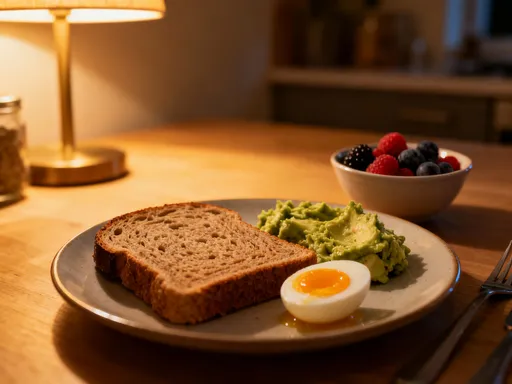
What I Learned About Better Sleep Through Simple Food Combos
Getting enough sleep changed my life—but not because I took pills or overhauled my schedule. It started with what I ate and how I combined foods. Like many, I used to crash by 9 p.m. or toss and turn for hours. After months of testing small changes, I noticed real improvements. This isn’t about strict diets or magic ingredients. It’s about smart, beginner-friendly eating habits that support natural, adequate sleep—no hype, just what actually worked for me.
The Sleep Struggle: More Common Than You Think
Sleep problems are more widespread than many realize, affecting millions of adults worldwide. According to the Centers for Disease Control and Prevention, one in three adults does not get enough sleep on a regular basis. For women between the ages of 30 and 55, the challenge can be even more pronounced due to hormonal shifts, caregiving responsibilities, and daily stress. Many report difficulty falling asleep, frequent nighttime awakenings, or waking up feeling unrefreshed—despite spending enough time in bed. These issues are often dismissed as inevitable parts of busy lives, but research increasingly shows that lifestyle choices, especially diet, play a crucial role.
What many overlook is that poor sleep is not just a result of stress or screen time—it can also stem from what’s on the dinner plate. The body’s ability to wind down and enter restorative sleep phases depends heavily on the availability of key nutrients. When meals lack balance or include sleep-disrupting ingredients, the body struggles to transition into deep, restful states. The good news is that improvement doesn’t require drastic changes. Small, consistent adjustments in food choices and combinations can have a powerful impact, especially when tailored to support the body’s natural rhythms.
For beginners, the key is simplicity. Overly complex diets or rigid rules often lead to frustration and abandonment. Instead, focusing on foundational eating patterns—such as pairing certain foods or adjusting meal timing—can create lasting change without feeling overwhelming. The goal is not perfection, but progress. By understanding how food influences sleep, individuals can make informed choices that align with their health goals and daily routines.
Why Food Matters for Sleep: The Science Made Simple
The connection between food and sleep lies in the body’s biochemistry. Certain nutrients act as building blocks for neurotransmitters and hormones that regulate sleep, particularly melatonin and serotonin. Think of the body like a car: just as a vehicle runs best on the right type of fuel, the body functions optimally when fed the right nutrients at the right times. Without the proper components, even a well-rested schedule can fall short.
One of the most important sleep-supporting nutrients is tryptophan, an amino acid found in foods like turkey, eggs, dairy, and seeds. Tryptophan is a precursor to serotonin, which the body then converts into melatonin—the hormone that signals it’s time to sleep. However, tryptophan alone isn’t enough. It needs help crossing the blood-brain barrier, and that’s where carbohydrates come in. A small amount of complex carbohydrate, such as oats or sweet potato, can trigger insulin release, which clears competing amino acids from the bloodstream and allows tryptophan to enter the brain more effectively.
Magnesium is another critical player. This mineral helps regulate the nervous system by promoting relaxation and reducing muscle tension. Studies have shown that magnesium deficiency is linked to insomnia and poor sleep quality. Foods rich in magnesium—such as spinach, almonds, pumpkin seeds, and black beans—can help calm the body and prepare it for rest. Similarly, B vitamins, especially B6, assist in the conversion of tryptophan to serotonin, making them essential partners in the sleep equation.
At the same time, blood sugar balance plays a major role. Large fluctuations in glucose levels can cause nighttime awakenings, especially if dinner is too heavy or sugary. A balanced meal with protein, healthy fats, and fiber helps maintain steady energy and prevents the spikes and crashes that disrupt sleep. By understanding these basic mechanisms, individuals can make food choices that naturally support rest instead of working against it.
The Power of Pairing: What to Eat Together
While individual nutrients matter, their combinations matter even more. The way foods are paired can enhance or hinder their sleep-supporting effects. The goal is synergy—creating meals and snacks that work together to stabilize blood sugar, support hormone production, and promote relaxation. This approach is especially helpful for those who want practical, no-fuss solutions that fit into real life.
One of the most effective pairings is whole grains with plant-based proteins. For example, a small bowl of brown rice with lentils or quinoa with chickpeas provides both complex carbohydrates and protein. This combination supports steady glucose release while supplying tryptophan and fiber. The result is sustained energy during the day and a smoother transition to sleep at night. Another powerful duo is fruit with nuts. A banana with a handful of almonds offers natural sugars, potassium, magnesium, and healthy fats. The fruit aids tryptophan absorption, while the nuts slow digestion and prevent blood sugar spikes.
Dairy and whole grain combinations are also beneficial. A small serving of Greek yogurt with a sprinkle of oats or chia seeds provides protein, calcium, and complex carbs. Calcium has been shown to help the brain use tryptophan to produce melatonin, making this a smart evening snack. For those who avoid dairy, fortified plant-based yogurts with similar nutrient profiles can serve the same purpose. Cottage cheese with pineapple or apple slices is another classic pairing that combines protein, calcium, and natural sweetness in a sleep-friendly way.
Even beverages can be paired wisely. Herbal teas like chamomile or passionflower have mild calming properties. When enjoyed with a small piece of whole grain toast or a few walnuts, they become part of a soothing ritual that signals the body it’s time to wind down. The key is moderation—large portions, even of healthy foods, can lead to discomfort and indigestion. Small, balanced combinations are more effective than large, heavy meals in the evening.
Timing Your Meals for Better Rest
When you eat is just as important as what you eat. The body’s internal clock, or circadian rhythm, influences digestion, hormone release, and sleep-wake cycles. Eating at irregular times or too close to bedtime can confuse this system, making it harder to fall and stay asleep. Establishing a consistent meal rhythm supports both metabolic health and sleep quality.
Aim to have dinner at least two to three hours before going to bed. This allows enough time for digestion, reducing the risk of acid reflux or discomfort that can interfere with sleep. A heavy meal right before lying down forces the body to work when it should be resting, potentially leading to fragmented sleep. On the other hand, going to bed hungry can also disrupt rest, as the brain remains alert in response to low energy. The solution is a balanced evening meal that satisfies without overloading.
Breakfast and lunch timing also matter. Skipping breakfast or eating late in the morning can delay the body’s metabolic activation, leading to afternoon fatigue and disrupted evening energy. Eating a nutritious breakfast within one to two hours of waking helps set the tone for the day and supports stable energy. Similarly, a well-timed lunch prevents the need for large, compensatory snacks later on. Consistency in meal timing—eating at roughly the same times each day—helps regulate the body’s internal clock, making it easier to fall asleep and wake up naturally.
For those who need a pre-bedtime snack, choose something small and balanced. A slice of whole grain toast with almond butter, a few whole grain crackers with cheese, or a small bowl of oatmeal with a banana are all excellent options. These provide just enough nutrients to prevent hunger without burdening the digestive system. The goal is not to eat a full meal, but to support the body’s transition into rest with gentle nourishment.
Foods That Sabotage Sleep (And Easy Swaps)
Certain foods and drinks can unintentionally interfere with sleep, even if they seem harmless. Caffeine is the most well-known culprit, but its effects are often underestimated. While many avoid coffee in the evening, caffeine is also present in tea, chocolate, and some sodas. Consuming caffeine after noon can disrupt sleep for individuals who are sensitive to it, as it can remain in the system for up to six to eight hours. The solution is not elimination, but awareness—shifting caffeinated drinks to the morning hours and switching to herbal teas or water in the afternoon.
Sugary snacks and desserts at night are another common sleep disruptor. A late-night cookie or ice cream can cause a rapid spike in blood sugar, followed by a crash that may wake the body in the middle of the night. Instead of reaching for sweets, try a piece of fruit with nut butter or a small serving of yogurt with berries. These options satisfy the craving for something sweet while providing protein and healthy fats that stabilize energy.
Heavy, high-fat meals—especially those rich in fried or processed foods—can also impair sleep. They take longer to digest and may cause discomfort, bloating, or heartburn. Opting for lean proteins, steamed vegetables, and whole grains in the evening makes digestion easier and supports rest. For example, swapping a greasy takeout meal for grilled salmon with quinoa and roasted vegetables creates a sleep-friendly alternative that is both satisfying and nourishing.
Alcohol is another hidden disruptor. While it may initially make a person feel drowsy, it interferes with the later stages of sleep, particularly REM sleep, which is essential for cognitive function and emotional regulation. Limiting alcohol intake, especially in the hours before bed, can lead to more restful and restorative sleep. If consumed, pairing it with food and drinking water between glasses can reduce its impact.
A Beginner’s Daily Plan: From Breakfast to Bedtime
Putting these principles into practice doesn’t require special ingredients or complicated recipes. A simple, balanced daily eating plan can support better sleep without adding stress. The following sample day is designed to be realistic, affordable, and easy to follow, using common ingredients and minimal preparation.
Start the day with a bowl of oatmeal made with milk or a fortified plant-based alternative, topped with sliced banana and a sprinkle of chia seeds. This meal provides complex carbohydrates, tryptophan, magnesium, and fiber, setting a calm, steady tone for the morning. Pair it with a cup of green tea or water for hydration. For a mid-morning snack, choose a small apple with a tablespoon of almond butter. The fruit offers natural sugars and potassium, while the nut butter adds protein and healthy fats to maintain energy.
Lunch could include a quinoa salad with chickpeas, cucumbers, tomatoes, and a lemon-olive oil dressing. This combination delivers plant-based protein, complex carbs, and healthy fats, along with magnesium and B vitamins. Add a small whole grain roll on the side for extra fiber. In the afternoon, a cup of chamomile tea with a few walnuts provides a calming effect and supports brain health. Walnuts are one of the few foods that naturally contain melatonin, making them a smart choice for sleep support.
Dinner might be grilled chicken or tofu with brown rice and steamed broccoli. This meal balances protein, complex carbohydrates, and essential minerals. Finish with a small serving of Greek yogurt mixed with a handful of blueberries and a few pumpkin seeds. The yogurt contributes calcium and protein, while the berries offer antioxidants and the seeds add magnesium. If hunger strikes before bed, a small banana or a few whole grain crackers with a slice of cheese can provide gentle nourishment without overloading the system.
Beyond Diet: Small Habits That Boost Results
While food is a powerful tool, it works best when combined with other supportive habits. Light physical activity, such as walking after meals or gentle stretching in the evening, can enhance digestion and promote relaxation. Exercise helps regulate the circadian rhythm and reduces stress, both of which contribute to better sleep. Even 20 minutes of daily movement can make a noticeable difference.
Reducing screen time in the hour before bed is another effective strategy. The blue light emitted by phones, tablets, and televisions can suppress melatonin production, making it harder to fall asleep. Replacing screen time with calming activities—such as reading a book, listening to soft music, or practicing deep breathing—signals the body that it’s time to rest. Creating a consistent bedtime routine strengthens this signal over time.
Hydration is also important, but timing matters. Drinking plenty of water throughout the day supports overall health, but reducing fluid intake in the evening can prevent nighttime trips to the bathroom. Aim to meet daily hydration needs earlier in the day and limit large drinks in the two hours before bed. Herbal teas can count toward fluid intake while also promoting relaxation.
Finally, creating a sleep-friendly environment enhances the benefits of good nutrition. A cool, dark, and quiet bedroom supports deeper sleep. Simple changes—like using blackout curtains, a white noise machine, or a comfortable mattress—can improve sleep quality. When diet, movement, and environment work together, the body is more likely to achieve the rest it needs.
Improving sleep through dietary combinations is a simple, science-backed step anyone can start today. It’s not about dramatic changes, but consistent, mindful choices that honor the body’s natural rhythms. By eating smarter—not harder—you create the foundation for deeper, more restful sleep. Over time, these small shifts can lead to lasting improvements in energy, mood, and overall well-being. The journey to better sleep begins not with a prescription, but with what’s on your plate.