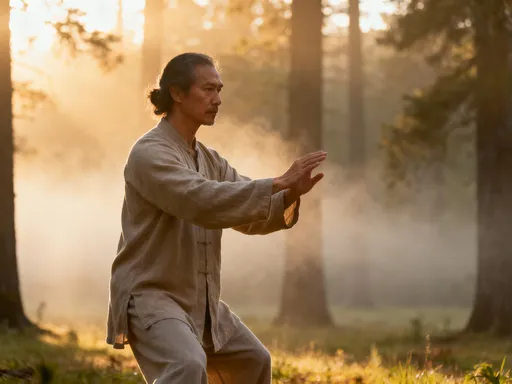
How I Beat Daily Fatigue with a Simple 10-Minute Movement Routine
Feeling tired all the time—even after a full night’s sleep? You’re not alone. Chronic fatigue affects millions, yet few find lasting relief. I struggled for years until I discovered that small, consistent movements could reset my energy. No extreme workouts or strict diets—just simple, science-backed exercises that fit into real life. This isn’t a miracle fix, but a practical plan that actually works. Let me show you how tiny shifts in motion can lead to big changes in how you feel every day.
The Hidden Truth About Fatigue
Fatigue is more than just yawning after a late night. It’s a deep, persistent sense of exhaustion that lingers even after rest. Many people describe it as mental fog—difficulty concentrating, forgetfulness, or feeling emotionally flat. Physically, it can feel like your limbs are heavy, your body resists movement, and even simple tasks seem overwhelming. This kind of fatigue is different from sleepiness, which is the natural urge to fall asleep at night. Fatigue can strike at any time, regardless of how much sleep you’ve had.
While medical conditions such as anemia, thyroid disorders, or chronic fatigue syndrome can contribute, for most people, daily habits play a bigger role than they realize. A sedentary lifestyle, poor hydration, chronic stress, and irregular routines are common culprits. Sitting for long periods slows circulation, reduces oxygen flow to the brain, and causes muscles to stiffen—all of which drain energy. The body was designed to move, and when it doesn’t, it sends signals of fatigue not because it’s weak, but because it’s underused.
Stress is another major factor. When you’re under constant pressure, your body remains in a low-grade state of alertness, releasing stress hormones like cortisol. Over time, this wears down your nervous system and depletes energy reserves. Even emotional strain from daily responsibilities—managing family, work, or household demands—can accumulate and manifest as physical tiredness. The key is recognizing that fatigue isn’t always a sign you need more sleep; often, it’s a sign you need more movement and better balance.
Understanding the root causes helps shift the mindset from passive endurance to active recovery. Instead of asking, “Why am I so tired?” it becomes, “What is my body trying to tell me?” For many, the answer lies not in doing less, but in moving more—gently, consistently, and with purpose. This realization was the turning point in my own journey from constant exhaustion to sustainable energy.
Why Movement Beats Rest When You’re Tired
When fatigue hits, the instinct is to sit down, lie on the couch, or skip activity altogether. But counterintuitively, rest isn’t always the best remedy. In fact, prolonged inactivity can make fatigue worse. The body responds to stillness by slowing circulation, reducing oxygen delivery, and allowing muscle tension to build. This creates a cycle: you feel tired, so you rest, which makes you feel more sluggish, so you rest more. Breaking that cycle starts with movement—even a small amount.
Light physical activity increases blood flow, which carries oxygen and nutrients to the brain and muscles. This alone can lift mental fog and improve alertness within minutes. Movement also stimulates the release of endorphins, the body’s natural mood and energy boosters. These chemicals don’t just make you feel better emotionally—they signal the brain that the body is active and capable, shifting your internal state from fatigue to readiness.
Scientific studies support this. Research published in the journal Psychotherapy and Psychosomatics found that low-intensity exercise, such as walking or stretching, significantly reduced feelings of fatigue in participants, even more so than rest or sleep in some cases. Another study from the University of Georgia showed that sedentary adults who began a routine of light exercise reported a 20% increase in energy levels within just six weeks. The key wasn’t intensity—it was consistency.
Think of your body like a car engine on a cold morning. If you leave it off for too long, the oil settles, the battery drains, and it becomes harder to start. But once you turn the key and let it run for a few minutes, everything begins to warm up, fluids circulate, and the engine runs smoothly. Your body works the same way. A brief movement routine acts as that morning ignition—waking up your systems, getting energy flowing, and preparing you for the day. It’s not about pushing harder; it’s about starting the engine.
The 10-Minute Daily Reset Routine (Core Plan)
The solution that changed my energy levels wasn’t complicated or time-consuming. It was a simple 10-minute routine I could do anywhere, anytime, with no equipment. I designed it to be realistic for real life—no gym membership, no special clothes, no hours to spare. Just ten minutes of intentional movement, broken into four easy parts: morning stretches, standing breathwork, gentle mobility drills, and a short walk. I’ve since shared this with dozens of women in my community, and many report feeling more awake, focused, and resilient within days.
The first two minutes are dedicated to gentle stretching. I start by standing barefoot on a flat surface, raising my arms overhead and reaching tall, like I’m trying to touch the ceiling. I hold this for 15 seconds, feeling the stretch along my sides and lower back. Then, I bend forward slightly at the hips, letting my arms hang loose, releasing tension in the neck and shoulders. Next, I rotate each shoulder slowly in circles, then shift to ankle rolls and wrist circles. These movements wake up the joints and signal the body to shift from rest to activity.
The next two minutes focus on breathwork. I stand with feet hip-width apart, hands resting on my lower belly. I inhale slowly through my nose for a count of four, feeling my abdomen rise. I hold the breath for two seconds, then exhale fully through the mouth for six counts. This extended exhale activates the parasympathetic nervous system, which helps calm the body’s stress response. I repeat this for eight to ten cycles. This isn’t about deep meditation—it’s about resetting the nervous system with each breath, creating a bridge between stillness and motion.
The following three minutes are spent on gentle mobility drills. I perform slow, controlled movements: standing side bends, neck rolls, and seated spinal twists if I’m at home. One of my favorites is the “cat-cow” motion, done standing: I alternate between arching my back slightly and rounding my spine, moving slowly with my breath. These drills improve joint lubrication and muscle coordination, reducing stiffness and increasing range of motion. They also enhance body awareness, helping me notice where I’m holding tension and release it before it becomes pain.
The final three minutes are for a short walk. It can be around the house, in the backyard, or down the block. The goal isn’t speed or distance—it’s rhythm. I walk at a comfortable pace, paying attention to my posture and breathing. If I’m indoors, I set a timer and walk in place, lifting my knees slightly and swinging my arms. This boosts circulation, warms the muscles, and signals the brain that it’s time to be alert. I’ve done this routine upon waking, during a mid-afternoon slump, or after dinner—and each time, I notice a shift in my energy and mood.
Science Behind the Simplicity
What makes this 10-minute routine effective isn’t magic—it’s biology. Each component targets a specific physiological process that influences energy. Stretching reduces muscle tension and improves flexibility, which in turn lowers the body’s energy expenditure during daily movements. When muscles are tight, they require more effort to function, draining energy reserves unnecessarily. By releasing this tension early in the day, you reduce the background cost of simply moving through life.
Breathwork plays a crucial role in regulating the autonomic nervous system. The extended exhale in the breathing exercise stimulates the vagus nerve, a key pathway that helps shift the body from “fight or flight” to “rest and digest.” This doesn’t eliminate stress, but it creates brief moments of calm that reset your internal state. Over time, regular practice can improve heart rate variability, a marker of resilience and energy efficiency.
Mobility drills enhance joint health and neuromuscular coordination. Joints that move freely reduce friction and inflammation, both of which can contribute to fatigue. These movements also send signals to the brain about body position and movement, improving balance and reducing the mental effort needed to stay upright and active. When your body moves smoothly, your mind follows—feeling less effort, more ease.
The short walk completes the cycle by increasing heart rate slightly and boosting oxygen delivery. Even mild cardiovascular activity enhances mitochondrial function—the energy factories within your cells. Mitochondria produce ATP, the molecule that powers every cell in your body. When they work efficiently, you have more energy. When they’re sluggish, you feel tired. Regular light movement keeps mitochondria active and responsive, much like how regular use keeps a machine well-oiled.
Together, these elements create a synergistic effect. They don’t rely on intensity or duration but on consistency and timing. Doing this routine daily—even when you don’t feel like it—builds a foundation of physical resilience. It’s not about burning calories or building strength; it’s about optimizing the body’s natural energy systems. The science is clear: small, regular movements have an outsized impact on how you feel from moment to moment.
Making It Stick: Habits That Last
Knowing what to do is only half the battle. The real challenge is doing it consistently, especially when fatigue makes every action feel like a chore. The key to lasting change isn’t willpower—it’s design. You need to make the routine so easy and integrated into your day that it feels almost automatic. That’s why I recommend pairing it with an existing habit, a strategy known as “habit stacking.” For example, do your 10-minute routine right after brushing your teeth in the morning. Since brushing is already a non-negotiable part of your routine, it becomes a natural trigger for movement.
Another effective tool is using phone reminders. Set a daily alert labeled “Energy Reset” at a time that works for you—maybe mid-morning or early afternoon when energy tends to dip. Keep the reminder simple and positive. Avoid guilt-based messages like “Don’t skip this!” Instead, use encouragement: “Your body will thank you.” Over time, the reminder becomes less necessary as the routine becomes second nature.
Tracking progress can also boost motivation. Use a small calendar or habit tracker app to mark each day you complete the routine. The visual cue of a growing streak can be surprisingly powerful. But it’s equally important to practice self-compassion. If you miss a day—or even three—don’t treat it as failure. Fatigue is unpredictable, and life happens. The goal isn’t perfection; it’s consistency over time. What matters is returning to the routine without judgment.
Reframing your mindset is also crucial. Instead of thinking of this as “exercise,” think of it as self-care or energy maintenance. You wouldn’t skip brushing your teeth because you didn’t feel like it—this is the same. It’s not about looking a certain way or meeting fitness goals; it’s about feeling better in your body. When you shift the focus from appearance to function, the motivation becomes intrinsic. You do it because it helps you think clearly, move easily, and handle your day with more grace.
When to Seek Professional Help
While lifestyle changes can make a significant difference, it’s important to recognize their limits. Persistent fatigue that doesn’t improve with rest, movement, or better hydration may be a sign of an underlying medical condition. Conditions such as iron deficiency anemia, hypothyroidism, vitamin D deficiency, or sleep apnea can all cause chronic tiredness. These are not lifestyle failures—they are health issues that require professional evaluation and treatment.
This 10-minute movement routine is designed to support overall well-being, not replace medical care. If you’ve made consistent efforts to improve your habits and still feel exhausted, it’s time to consult a healthcare provider. They can run tests, review your symptoms, and determine if there’s a physiological cause that needs attention. Early diagnosis and treatment can make a profound difference in quality of life.
Similarly, if fatigue is accompanied by other symptoms—such as unexplained weight changes, persistent sadness, dizziness, or difficulty concentrating—it’s important to seek guidance. Chronic fatigue syndrome, while less common, is a real condition that requires specialized management. The goal is not to alarm, but to empower. You know your body best. If something feels off, trust that instinct and take action.
Remember, taking care of your health is not a sign of weakness—it’s an act of strength. Seeking help when needed shows courage and self-respect. This routine can be part of your wellness toolkit, but it doesn’t have to be the only tool. A balanced approach that includes professional care, when necessary, is the most responsible and effective path to lasting energy.
Long-Term Benefits Beyond Energy
The benefits of this simple routine extend far beyond just feeling less tired. Over time, I noticed improvements in areas I hadn’t even targeted. My mood became more stable. I felt less reactive to daily stressors and more able to respond with calm. My focus sharpened, making it easier to manage tasks, remember details, and stay present with my family. Even my sleep improved—not because I was exhausted, but because my body’s rhythms had become more balanced.
Physical stiffness, especially in my lower back and shoulders, decreased significantly. I no longer woke up with that familiar ache or felt the need to crack my neck every morning. My posture improved naturally as my body learned to move with more ease. These changes weren’t dramatic overnight, but they accumulated, creating a new baseline of comfort and vitality.
Perhaps the most meaningful shift was psychological. I began to feel more in control of my days. Instead of being at the mercy of fatigue, I had a tool to reset my energy. That sense of agency made a difference in how I approached challenges. I felt more capable, more resilient, and more connected to my body. It wasn’t about becoming someone else—it was about returning to myself.
This routine has become more than a habit; it’s a daily promise to prioritize my well-being. It’s a reminder that small actions, done consistently, create lasting change. You don’t need hours, expensive equipment, or extreme discipline. You just need ten minutes and the willingness to begin. Start today. Move gently. Breathe deeply. Walk with intention. And tomorrow, you may just wake up feeling a little more like yourself again.