Why I Prioritize Prevention—Simple Daily Choices That Truly Boost Well-Being
You don’t need a diagnosis to start caring about your health. I’ve learned that small, consistent habits—like moving more, sleeping better, and eating mindfully—have a powerful impact on how I feel every day. This isn’t about quick fixes, but long-term choices that support energy, mood, and resilience. Science shows prevention works, yet many overlook it until it’s too late. Let’s explore how proactive steps can quietly transform your quality of life.
The Hidden Cost of Waiting
Many people treat health like a fire department—only calling for help when flames appear. This reactive mindset leads to missed opportunities, because by the time symptoms emerge, the body has often been under strain for years. Chronic conditions such as type 2 diabetes, high blood pressure, and osteoarthritis typically develop silently, driven by lifestyle patterns that go unnoticed until damage becomes irreversible. The truth is, most adults begin to experience subtle signs—low energy, joint stiffness, trouble concentrating—long before a doctor assigns a label. These are not normal parts of aging, but early warnings that systems are out of balance.
Consider fatigue. It’s easy to dismiss constant tiredness as the price of a busy life, especially for women juggling family, work, and household responsibilities. But persistent fatigue can signal underlying issues such as poor sleep quality, nutritional deficiencies, or chronic inflammation. When ignored, these factors contribute to a downward spiral: low energy leads to less movement, which weakens muscles and reduces circulation, which in turn worsens fatigue. The cycle reinforces itself, eroding quality of life long before medical intervention occurs. Studies show that individuals who address lifestyle factors early report higher vitality and fewer health complications in midlife and beyond.
Another common consequence of delayed prevention is joint discomfort. Many women in their 40s and 50s begin to feel stiffness in their knees or hands, often attributing it to aging. However, research indicates that joint health is significantly influenced by daily activity levels, body weight, and inflammation—factors within personal control. Waiting until pain limits mobility reduces the effectiveness of non-invasive strategies. Once cartilage deteriorates or movement patterns become compensatory, recovery takes longer and may require more aggressive treatment. Prevention, on the other hand, allows for gentle, sustainable adjustments that preserve function.
The real cost of waiting isn’t just physical—it’s emotional and practical. When health declines, independence can be compromised. Simple tasks like climbing stairs, playing with grandchildren, or carrying groceries become challenging. The freedom to live fully depends on maintaining strength, balance, and stamina over time. Preventive habits protect not only the body but also the ability to engage in life without limitation. By recognizing early signals and responding with care, women can avoid the frustration and loss that come with late-stage interventions. Health is not something to reclaim—it’s something to preserve.
Prevention as a Daily Practice, Not a Crisis Response
True prevention isn’t about reacting to fear or chasing perfection. It’s about making steady, thoughtful choices that support long-term well-being. Unlike crisis-driven health behaviors—such as extreme diets after a diagnosis or intense workouts following a scare—preventive habits are sustainable because they are integrated into daily life. They don’t demand dramatic changes; instead, they rely on consistency. Think of prevention as compound interest for the body: small deposits made regularly grow into significant returns over time.
A common misconception is that prevention requires major lifestyle overhauls. In reality, the most effective strategies are often the simplest. Taking a 15-minute walk after meals, drinking an extra glass of water, or going to bed 30 minutes earlier can collectively influence energy, digestion, and mood. These actions may seem minor, but their cumulative effect is powerful. The goal isn’t to eliminate all risk—no one can—but to reduce preventable burdens on the body. This shift in perspective transforms health from a source of anxiety into a source of empowerment.
Imagine two women facing the same workday. One skips breakfast, sits for hours, eats lunch at her desk, and stays up late watching screens. The other starts with a balanced meal, takes short movement breaks, steps outside for fresh air, and follows a calming evening routine. Neither is perfect, but over weeks and months, their energy levels, mental clarity, and physical resilience begin to diverge. The difference isn’t genetics or luck—it’s daily momentum. Prevention builds this momentum by reinforcing healthy patterns before strain accumulates.
What makes prevention sustainable is its focus on function, not fear. When women prioritize health to feel stronger, sleep better, and enjoy life more—not just to avoid disease—they are more likely to stick with it. This positive motivation fosters lasting change. It’s not about dodging a future crisis, but about enhancing the present. By framing prevention as self-respect rather than self-surveillance, it becomes a natural part of life, not a burden. The habits that support long-term well-being are not sacrifices—they are investments in daily freedom.
Move It to Improve It: Physical Activity Beyond the Gym
Physical activity is one of the most effective preventive tools, yet many women associate it only with structured workouts or gym memberships. The truth is, movement doesn’t have to be intense or time-consuming to be beneficial. Everyday motion—walking, standing, stretching, gardening—plays a crucial role in maintaining circulation, joint flexibility, and metabolic health. The key is consistency, not intensity. Research consistently shows that regular low-to-moderate activity reduces the risk of heart disease, type 2 diabetes, and certain cancers, while also improving mood and cognitive function.
For women with busy schedules, finding time for exercise can feel impossible. But movement can be woven into daily routines in simple ways. Taking the stairs instead of the elevator, parking farther from store entrances, or doing light stretches while watching television all count. Even standing up and walking in place during phone calls adds up. These micro-movements improve blood flow, reduce stiffness, and help regulate blood sugar. Over time, they contribute to stronger muscles, better balance, and increased endurance—critical factors in maintaining independence as we age.
One of the most accessible forms of daily movement is walking. A brisk 20- to 30-minute walk most days of the week has been shown to support cardiovascular health, reduce inflammation, and enhance mental well-being. Walking doesn’t require special equipment or a gym—it can be done in a neighborhood, park, or even indoors. For those with joint concerns, walking on softer surfaces like grass or dirt trails can reduce impact. Adding variety—such as walking with a friend or listening to a podcast—can make it more enjoyable and easier to sustain.
Beyond walking, simple strength and flexibility exercises can be done at home. Bodyweight squats, wall push-ups, and seated leg lifts help maintain muscle mass, which naturally declines after age 30. Muscle is not just about strength—it plays a key role in metabolism, posture, and injury prevention. Stretching routines, even for just five to ten minutes a day, improve range of motion and reduce the risk of strain. Yoga and tai chi are excellent options that combine movement with breath and mindfulness, offering both physical and mental benefits. The goal is not to achieve athletic performance, but to preserve function and ease in daily life.
Sleep: The Silent Foundation of Health
Sleep is often the first habit sacrificed in a busy life, yet it is one of the most critical components of prevention. During sleep, the body performs essential repair work: cells regenerate, the immune system strengthens, and the brain clears metabolic waste. Poor or insufficient sleep disrupts these processes, increasing susceptibility to illness, slowing recovery, and impairing cognitive function. Chronic sleep deprivation has been linked to higher risks of obesity, heart disease, and depression—conditions that could otherwise be delayed or avoided.
Many women struggle with sleep due to stress, hormonal changes, or irregular schedules. Falling asleep may not be the issue—staying asleep or waking up unrefreshed often is. Fragmented or shallow sleep prevents the body from reaching deep restorative stages. Over time, this leads to a buildup of fatigue that affects mood, concentration, and decision-making. The consequences extend beyond personal well-being; poor sleep can impact relationships, work performance, and overall safety, especially when driving or managing household tasks.
The good news is that sleep quality can be improved with practical, science-backed strategies. One of the most effective is maintaining a consistent sleep schedule—even on weekends. Going to bed and waking up at the same time every day helps regulate the body’s internal clock, making it easier to fall asleep and wake up naturally. Exposure to natural light in the morning reinforces this rhythm, while reducing screen time in the evening minimizes blue light exposure, which suppresses melatonin, the hormone that signals sleep.
Creating a restful environment also makes a difference. A cool, quiet, and dark bedroom supports deeper sleep. Using blackout curtains, white noise machines, or earplugs can help if external disturbances are a problem. Establishing a calming pre-sleep routine—such as reading, gentle stretching, or listening to soft music—signals the body that it’s time to wind down. Avoiding caffeine and heavy meals in the evening, and limiting alcohol, which disrupts sleep architecture, further enhances rest quality. Small, consistent changes in sleep hygiene can lead to noticeable improvements in energy and focus within just a few weeks.
Eating for Energy and Resilience, Not Just Fullness
Nutrition is not just about weight management—it’s about fueling the body for optimal function. The foods women choose every day influence energy levels, immune strength, digestion, and even mood. Rather than focusing on restriction or trendy diets, preventive nutrition emphasizes balance, variety, and whole, minimally processed foods. These choices support cellular health, reduce inflammation, and promote a stable metabolism. The goal is not perfection, but progress—building a relationship with food that nourishes rather than depletes.
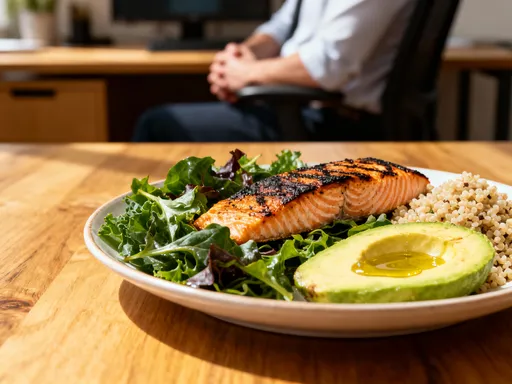
Whole grains, vegetables, fruits, lean proteins, and healthy fats form the foundation of a resilient diet. These foods provide essential vitamins, minerals, fiber, and antioxidants that protect against cellular damage and support long-term health. For example, leafy greens are rich in magnesium and folate, which support nerve function and energy production. Berries contain antioxidants that combat oxidative stress, a contributor to aging and chronic disease. Including a variety of colorful plant-based foods ensures a broad spectrum of protective compounds.
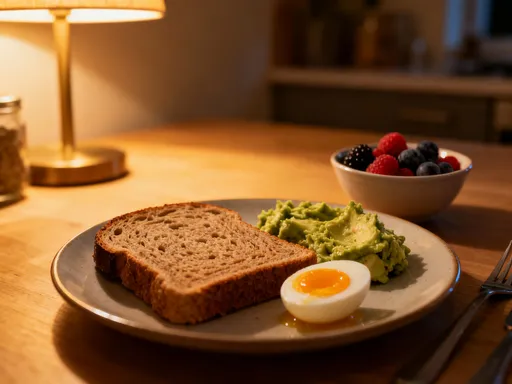
Meal timing and eating patterns also matter. Skipping meals can lead to energy crashes and overeating later, while regular, balanced meals help maintain steady blood sugar. Including protein and fiber at each meal increases satiety and reduces cravings. Simple swaps—like choosing whole grain bread over white, or adding beans to a salad—can enhance nutritional value without requiring major changes. Cooking at home more often allows for greater control over ingredients and portion sizes, reducing intake of added sugars, sodium, and unhealthy fats commonly found in processed foods.
It’s also important to avoid extreme dietary trends that promise rapid results but are difficult to sustain. Eliminating entire food groups or following highly restrictive plans can lead to nutrient deficiencies and disordered eating patterns. Instead, a flexible approach that allows for occasional treats while prioritizing nourishing choices is more effective in the long run. Eating should be an enjoyable, social experience—not a source of guilt or stress. By focusing on how food makes them feel—more energized, clearer-headed, more satisfied—women can make choices that support both physical and emotional well-being.
Stress Management That Actually Fits Real Life
Chronic stress is a silent contributor to many preventable health issues. When the body remains in a constant state of alert, stress hormones like cortisol remain elevated, affecting heart rate, digestion, immune function, and sleep. Over time, this increases the risk of hypertension, digestive disorders, and mental health challenges. For women managing multiple roles, stress often feels unavoidable. But prevention means recognizing stress not as an inevitable part of life, but as a modifiable factor that can be managed with intention.
Effective stress management doesn’t require hours of meditation or expensive retreats. Small, consistent practices can make a meaningful difference. Deep breathing, for instance, activates the parasympathetic nervous system, signaling the body to relax. Taking just a few minutes each day to practice slow, diaphragmatic breaths can reduce tension and improve focus. Similarly, spending time in nature—even a short walk in a park—has been shown to lower cortisol levels and enhance mood. The combination of fresh air, natural light, and gentle movement provides both physical and psychological benefits.
Digital detox is another practical strategy. Constant exposure to screens and notifications keeps the mind in a state of hyperarousal. Setting boundaries—such as no phones during meals, or a screen-free hour before bed—creates space for mental rest. Journaling can also be a powerful tool. Writing down thoughts, worries, or gratitude helps process emotions and gain perspective. It doesn’t require eloquence or length—just honesty and regularity. Over time, these small habits build resilience, making it easier to navigate challenges without becoming overwhelmed.
The key is consistency, not intensity. Women don’t need to eliminate all stress—nor should they aim to. Some stress is normal and even motivating. The goal is to balance activation with recovery, ensuring the body has time to reset. By incorporating simple stress-reducing practices into daily life, women protect their long-term health and improve their capacity to handle life’s demands with greater ease and clarity.
Building a Personal Prevention Plan That Lasts
Prevention works best when it’s personalized and sustainable. Rather than attempting a complete lifestyle overhaul, women are more likely to succeed by focusing on one or two small changes at a time. Trying to do everything at once often leads to burnout and discouragement. Instead, choosing a manageable habit—such as drinking more water, walking daily, or improving sleep hygiene—creates a foundation for lasting change. Once a new behavior becomes routine, another can be added. This step-by-step approach builds confidence and momentum.
Tracking progress doesn’t have to involve numbers or apps. How a woman feels—her energy, mood, and ability to handle daily tasks—is a powerful indicator of improvement. Noticing that she has more stamina, sleeps better, or feels less achy provides meaningful feedback. These subjective measures are often more relevant than weight or lab results, especially in the early stages of change. Celebrating small wins reinforces motivation and encourages continued effort.
It’s also important to consult with healthcare providers when developing a prevention plan. A doctor or registered dietitian can offer personalized guidance based on medical history, lab work, and individual needs. They can help identify risk factors and recommend evidence-based strategies. This collaboration ensures that preventive efforts are safe, effective, and aligned with overall health goals. Prevention is not about replacing medical care—it’s about enhancing it through daily choices.
Over time, these small, science-supported habits become second nature. They don’t require perfection, just persistence. And as they accumulate, they lead to a life that feels better, works better, and lasts longer. Prevention is not a destination—it’s a lifelong practice of caring for oneself with intention and respect. By starting now, women invest in a future of vitality, clarity, and freedom.
True well-being isn’t measured in absence of illness, but in daily vitality. By choosing prevention—not out of fear, but out of self-respect—we invest in years of energy, clarity, and freedom. These small, science-supported steps don’t demand perfection, just persistence. Over time, they add up to a life that feels better, works better, and lasts longer. Your future self will thank you.