Sweat More, Shine More: How Exercise Transformed My Hair Health
You probably don’t think of your workout as a haircare routine—but what if it is? I didn’t either, until I noticed my hair growing thicker and shinier after months of consistent exercise. Turns out, movement does more than tone muscles—it fuels follicles, reduces stress, and boosts circulation. This isn’t about miracle cures, but real, science-backed changes. Let’s explore how breaking a sweat might be one of the most natural beauty treatments you’re missing.
The Unexpected Connection: Why Hair Health Starts Beyond the Scalp
Hair is often seen as a surface-level concern—something to be managed with the right shampoo, conditioner, or serum. Yet, dermatologists and trichologists agree: true hair wellness begins far beneath the surface. The condition of your hair reflects the state of your overall health. When your body is under stress, nutrient-deficient, or experiencing hormonal imbalances, those internal shifts often show up first in your hair. Thinning, breakage, dullness, or excessive shedding are not merely cosmetic issues—they are signals, quiet warnings from your body that something deeper may need attention.
One of the most critical yet overlooked factors in hair vitality is blood circulation. Hair follicles, like all living tissues, require a steady supply of oxygen and nutrients to function properly. These essentials are delivered through the bloodstream. When circulation to the scalp is compromised—due to sedentary habits, poor cardiovascular health, or chronic stress—follicles receive less of what they need to sustain growth cycles. Over time, this can lead to weaker strands, slower regrowth, and a lackluster appearance.
Additionally, systemic inflammation and hormonal fluctuations play significant roles. Conditions such as polycystic ovary syndrome (PCOS), thyroid disorders, or even prolonged emotional stress can disrupt the delicate balance of hormones like estrogen, testosterone, and cortisol. These imbalances are frequently linked to hair thinning or loss, particularly in women over 30. Therefore, treating hair concerns solely with topical products is like watering the leaves of a plant while ignoring the roots. The real transformation begins when you address the internal environment—where exercise becomes a powerful ally.
How Sweat Actually Helps: The Science Behind Exercise and Hair Growth
At first glance, sweating and hair health might seem unrelated. But the physiological changes triggered by regular physical activity create a cascade of benefits that directly and indirectly support stronger, shinier hair. The foundation of this connection lies in circulation. When you engage in exercise, your heart rate increases, pumping more blood throughout your body—including to the scalp. This enhanced microcirculation delivers vital nutrients like oxygen, iron, biotin, and amino acids directly to hair follicles, promoting cellular activity and supporting the anagen (growth) phase of the hair cycle.
Studies in dermatology have shown that improved blood flow to the scalp correlates with increased hair density and reduced shedding. While topical treatments aim to stimulate circulation through massage or serums, exercise offers a systemic, whole-body approach. It’s not a targeted scalp treatment, but its effects are comprehensive and sustained. Over time, consistent cardiovascular activity helps maintain healthy blood vessels, ensuring that follicles remain well-nourished without relying on external interventions.
Another crucial factor is stress reduction. Chronic stress elevates cortisol, the so-called “stress hormone,” which has been scientifically linked to hair thinning and conditions like telogen effluvium, where a large number of hairs enter the resting phase and fall out. Exercise is one of the most effective natural ways to regulate cortisol levels. Physical activity triggers the release of endorphins—chemicals in the brain that promote feelings of well-being and relaxation. This biochemical shift not only improves mood but also reduces the hormonal strain that can impair hair growth.
Sleep quality, often improved through regular exercise, further supports hair health. During deep sleep, the body repairs tissues, balances hormones, and cycles through critical phases of hair regeneration. Women who struggle with insomnia or restless sleep often report improvements in hair texture and growth after adopting a consistent fitness routine. Thus, the benefits of exercise extend beyond the gym—they create a ripple effect across multiple bodily systems, all of which converge to support healthier hair.
Real Changes I Noticed: From Dull to Dynamic (Without Changing Products)
About eight months ago, I committed to a regular exercise routine—nothing extreme, just 30 to 45 minutes of movement five days a week. At the time, my motivation was general fitness and stress relief. I wasn’t thinking about my hair. But around the eight-week mark, something unexpected happened. I stood in front of the mirror after a morning shower and noticed my hair looked different. It wasn’t just clean—it had a natural shine I hadn’t seen in years. The strands appeared thicker, more resilient, and when I ran my fingers through it, there was less breakage than usual.
Over the next few weeks, the changes became more pronounced. I began shedding less during brushing. My scalp felt less oily, yet my hair retained moisture better. Even my hairdresser commented that my ends looked healthier and that my color seemed to hold longer. The most surprising part? I hadn’t changed a single hair product. My shampoo, conditioner, and styling routine remained exactly the same. The only variable was my increased physical activity.
By the third month, I noticed new growth at the hairline—fine, soft baby hairs that hadn’t been there before. My ponytail, which had gradually thinned over the past few years, started feeling noticeably fuller. I didn’t measure it scientifically, but the visual and tactile differences were undeniable. Friends asked if I’d switched to a new hair treatment or started taking supplements. When I told them it was just exercise, many were skeptical. But the evidence was in the mirror.
This experience taught me that transformation doesn’t always come from a bottle. Sometimes, the most effective solutions are built into our biology. The improvements weren’t overnight—they required consistency and patience. But they were real, gradual, and sustainable. And most importantly, they were free of harsh chemicals, expensive treatments, or invasive procedures. All it took was a commitment to moving my body regularly.
Types of Exercise That Make a Difference: Not All Workouts Are Equal
Not every form of physical activity delivers the same benefits for hair health. While any movement is better than none, certain types of exercise are particularly effective at supporting circulation, hormone balance, and stress reduction—three pillars of healthy hair. Cardiovascular workouts, such as brisk walking, jogging, cycling, or swimming, are especially powerful for increasing heart rate and promoting blood flow to the scalp. These activities stimulate the cardiovascular system, ensuring that oxygen-rich blood reaches even the most peripheral areas of the body, including hair follicles.
Strength training, while often associated with muscle gain, also plays a vital role. Resistance exercises like lifting weights, using resistance bands, or bodyweight workouts help regulate insulin sensitivity and support hormonal balance. They also increase lean muscle mass, which in turn boosts metabolism and improves overall energy levels. Women in their 30s and beyond benefit greatly from strength training, as it helps counteract the natural decline in muscle mass and hormonal shifts that can affect hair thickness.
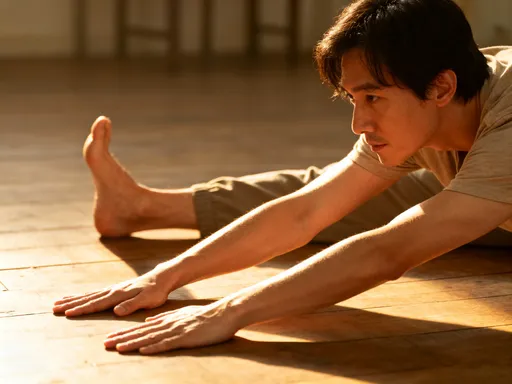
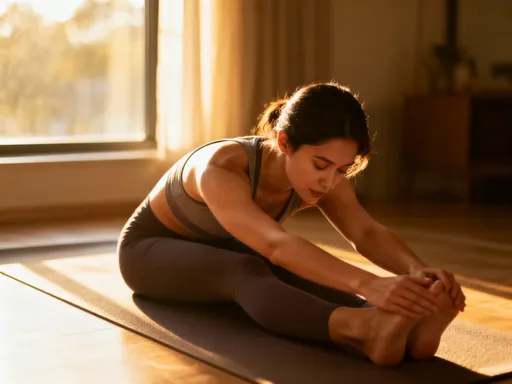
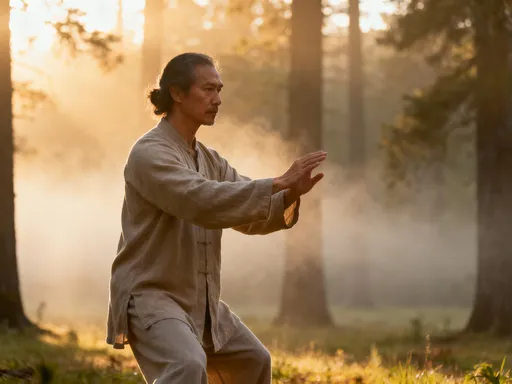
Then there’s low-impact, mindful movement—yoga, Pilates, or tai chi. These practices may not raise the heart rate as dramatically as cardio, but they excel in reducing stress and improving circulation through intentional breathing and gentle stretching. Yoga inversions, such as downward dog or legs-up-the-wall pose, are believed to increase blood flow to the scalp, though more research is needed to confirm their direct impact. What is well-documented is their ability to lower cortisol levels and promote relaxation, both of which support hair retention and growth.
For optimal results, a balanced weekly routine is recommended. Three sessions of moderate cardio (such as a 30-minute brisk walk or dance workout), two days of strength training (even 20 minutes at home can be effective), and one day dedicated to mindful movement create a synergistic effect. This combination addresses multiple aspects of hair health without overloading the body. The key is sustainability—choosing activities you enjoy and can maintain long-term, rather than pushing for intensity that leads to burnout.
What to Avoid: Overtraining, Dehydration, and Post-Workout Neglect
While exercise is beneficial, it’s possible to have too much of a good thing. Overtraining—pushing the body too hard without adequate rest—can actually harm hair health. Excessive physical stress triggers the release of cortisol, the very hormone that exercise is meant to regulate. When cortisol levels remain elevated due to intense, prolonged workouts without recovery, it can disrupt the hair growth cycle and lead to increased shedding. This is especially true for women who combine intense fitness regimens with restrictive diets or poor sleep.
Another concern is post-workout scalp hygiene. Sweat contains salt, urea, and other byproducts that, if left on the scalp for extended periods, can clog hair follicles and create an environment conducive to irritation or inflammation. While it’s not necessary to shampoo after every workout, rinsing the scalp with water or using a gentle, no-rinse cleanser can prevent buildup. For those with fine or oily hair, a quick wash may help maintain balance. Allowing sweat to dry and sit on the scalp for hours—especially under hats or tight hairstyles—can compromise follicle health over time.
Hydration is equally critical. Exercise increases fluid loss through sweat, and dehydration affects every cell in the body, including hair follicles. When the body is dehydrated, it prioritizes vital organs, diverting resources away from non-essential functions like hair growth. This can lead to dry, brittle strands and slower regrowth. Drinking water before, during, and after exercise helps maintain optimal hydration levels and supports the detoxification process that removes metabolic waste from tissues.
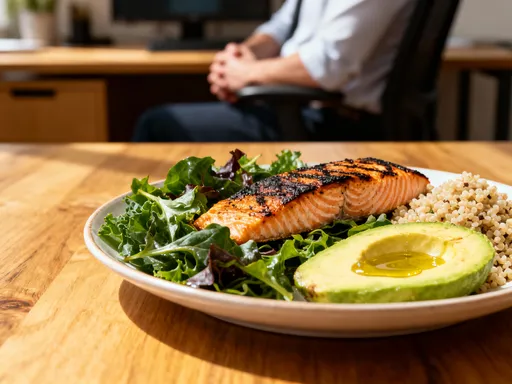
Finally, post-workout nutrition plays a role. Hair is made primarily of keratin, a protein, so the body needs adequate amino acids to support growth. Consuming a balanced snack or meal within an hour of exercising—containing both protein and complex carbohydrates—helps repair muscle tissue and replenish energy stores. This recovery window also supports hair follicle function, ensuring that the benefits of exercise are fully realized. Ignoring nutrition after workouts may undermine even the most consistent fitness efforts.
Beyond the Gym: Lifestyle Synergy for Maximum Results
Exercise alone is not a magic solution—but when combined with other healthy habits, it becomes part of a powerful, holistic system. Hair thrives in an environment of balance, where physical activity, nutrition, sleep, and emotional well-being work together. Movement enhances the benefits of a nutrient-rich diet by improving digestion and circulation, allowing the body to absorb and deliver vitamins like biotin, vitamin D, and iron more efficiently. These nutrients are essential for strong, resilient hair.
Sleep and exercise share a reciprocal relationship. Regular physical activity helps regulate the circadian rhythm, making it easier to fall asleep and stay asleep. In turn, quality sleep supports tissue repair, hormone regulation, and stress management—all of which influence hair health. Women who struggle with fatigue or insomnia often find that a consistent workout routine leads to deeper, more restorative sleep, which then reflects in the condition of their hair.
Stress management is another key component. While exercise reduces cortisol, other practices like meditation, journaling, or spending time in nature can amplify this effect. Chronic stress, whether from work, family responsibilities, or emotional challenges, takes a toll on the body. Creating a lifestyle that includes moments of calm and mindfulness helps maintain hormonal equilibrium, reducing the risk of stress-related hair loss.
Hydration, too, must be consistent. Drinking enough water throughout the day supports scalp health, prevents dryness, and aids in the removal of toxins. Pairing daily movement with a habit of carrying a water bottle or setting hydration reminders can make a noticeable difference over time. The synergy between these habits creates a foundation where hair can grow stronger, shinier, and more resilient—naturally.
When to Seek Help: Exercise Isn’t a Cure-All
It’s important to recognize that while exercise supports hair health, it is not a cure for medical conditions. If you experience sudden, excessive hair shedding, bald patches, or changes in hair texture that don’t improve with lifestyle changes, it’s essential to consult a healthcare provider. Underlying issues such as thyroid disorders, iron deficiency anemia, autoimmune conditions like alopecia areata, or hormonal imbalances may require medical diagnosis and treatment.
Exercise should be viewed as a supportive measure, not a replacement for professional care. A doctor may recommend blood tests to check for nutrient deficiencies or hormonal irregularities. In some cases, prescribed treatments, supplements, or topical medications may be necessary to address the root cause. However, even in these situations, maintaining a regular fitness routine can enhance overall well-being and improve the body’s response to treatment.
Patience is also key. Hair grows slowly—about half an inch per month—and changes take time. It’s unrealistic to expect dramatic results in a few weeks. Most women begin to notice subtle improvements after 8 to 12 weeks of consistent effort. The journey is not about perfection, but progress. Celebrating small wins—less shedding, a healthier scalp, more shine—can build motivation and reinforce healthy habits.
In the end, the goal is not just better hair, but a healthier, more vibrant you. When you move your body with intention, nourish it with care, and treat it with kindness, the results show not only in the mirror but in how you feel every day. Hair is just one reflection of that deeper wellness—a quiet testament to the power of consistent, loving self-care.