How I Cleaner My Plate to Clean Up My Space — Real Talk
Ever notice how cluttered your kitchen feels when your diet’s out of sync? I did. Once I started aligning my eating habits with a cleaner, more mindful approach, everything shifted — not just my energy, but my home environment too. It’s not about perfection; it’s about making simple, doable choices that ripple outward. This is how better dietary principles quietly transformed both my body and my space — and how they might for you, too.
The Messy Kitchen Effect: When Food Habits Reflect Living Space
It’s no coincidence that a refrigerator full of takeout containers often sits beside a countertop covered in crumbs, unwashed dishes, and half-empty condiment bottles. The state of our kitchen frequently mirrors our relationship with food. When eating becomes reactive — driven by stress, fatigue, or convenience — the environment reflects that chaos. Snacks are grabbed in haste, packaging is left behind, and meal planning falls by the wayside. This creates a cycle: a disorganized space increases mental load, making it harder to make thoughtful food choices, which in turn leads to more clutter and stress.
Studies in environmental psychology suggest that visual clutter can elevate cortisol levels, the hormone associated with stress. A 2019 study published in the journal Environment and Behavior found that women who described their homes as cluttered were more likely to report feelings of depression and fatigue. When your kitchen feels overwhelming, the easiest choice becomes ordering in or reaching for processed foods that require little cleanup. But those quick fixes add up — not just in calories, but in wrappers, grease stains, and forgotten leftovers that eventually become science experiments in the back of the fridge.
The connection isn’t just logistical; it’s emotional. Many people use food as a form of comfort, distraction, or reward, especially during busy or emotionally taxing times. When that behavior becomes habitual, it often plays out in the kitchen. A bag of chips eaten over the sink, a frozen pizza consumed standing up — these moments leave traces. The environment absorbs the residue of our routines, both physical and psychological. Recognizing this link is the first step toward breaking the cycle. When you begin to see your kitchen not just as a place to eat, but as a reflection of your inner state, you start to understand that cleaning up your plate can be the beginning of cleaning up your life.
Why Your Diet Impacts More Than Just Your Body
We often think of diet in terms of weight, energy, or disease prevention. But what we eat also shapes the very air we breathe and the surfaces we touch in our homes. Processed and heavily packaged foods contribute to what experts call “environmental load” — the cumulative burden of waste, odors, and toxins that accumulate in living spaces. A diet rich in frozen meals, sugary drinks, and fast food doesn’t just affect your health; it affects the cleanliness and quality of your home.
Consider the aftermath of a week of takeout: stacks of cardboard boxes, plastic utensils, sauce packets, and greasy napkins. These items don’t just fill the trash — they attract pests, create lingering smells, and increase the frequency of deep cleaning needed. Even the act of reheating processed foods can release volatile organic compounds (VOCs) into the air, especially when using plastic containers in the microwave. While the health effects of long-term exposure to low-level VOCs are still being studied, the Environmental Protection Agency (EPA) acknowledges that indoor air pollution can be two to five times higher than outdoor levels, and diet-related waste is one contributing factor.
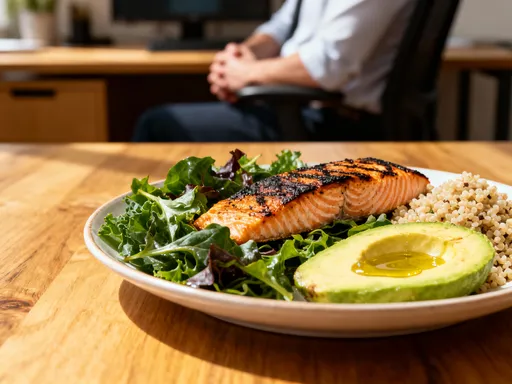
Moreover, sugary and sticky foods increase the risk of ant infestations and fruit flies. Open containers of syrup, jam, or soda left on countertops become breeding grounds for insects and bacteria. Over time, these small oversights degrade the hygiene of the kitchen and make it feel less inviting. On the other hand, a diet centered on whole foods — fresh produce, grains, legumes, and lean proteins — generates significantly less waste. An apple core or banana peel is easier to compost than a polystyrene clamshell container. A pot of lentil soup leaves fewer greasy splatters than fried chicken. The result is not only a cleaner kitchen but also a quieter, more peaceful space where cooking and eating feel like acts of care rather than chores.
The First Shift: Eating Whole Foods, Creating Calm
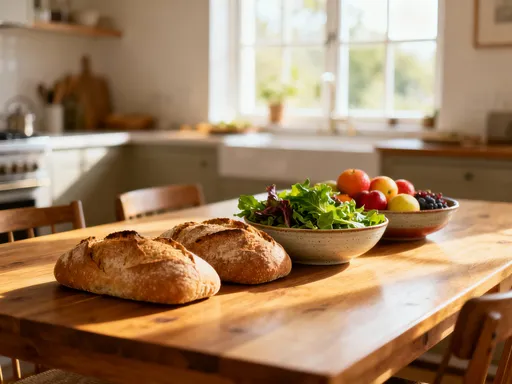
Transitioning to whole, unprocessed foods is often framed as a health decision — and it is. But it’s also one of the most effective ways to reduce kitchen clutter and simplify daily routines. When you buy fewer packaged items, you naturally bring less plastic, cardboard, and excess labeling into your home. Instead of navigating a pantry full of snack bars, canned soups, and seasoning packets, you’re working with a short list of core ingredients: rice, beans, oats, vegetables, spices, and fresh fruit.
This shift reduces decision fatigue. With fewer choices, meal prep becomes more intuitive. You’re not staring at a shelf of condiments wondering what to pair with frozen fries — you’re combining what you have in a way that feels natural. Batch cooking grains on Sunday means you can assemble bowls quickly during the week. Roasting a tray of vegetables becomes a foundation for multiple meals. These habits don’t just save time; they reduce the number of dishes, the amount of packaging, and the mental clutter that comes with too many options.
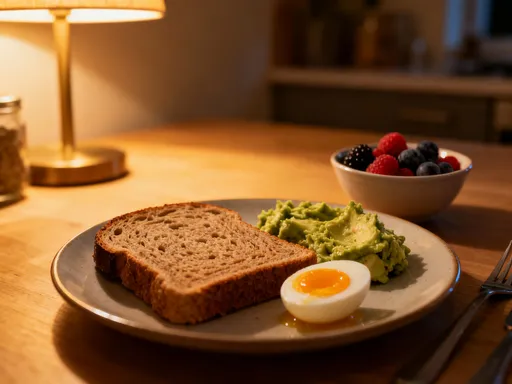
Practical swaps make a big difference. Replacing instant noodles with whole grain pasta or brown rice noodles cuts down on sodium and plastic waste. Choosing fresh fruit over individually wrapped candy bars eliminates unnecessary packaging and stabilizes energy levels. Using glass jars to store dry goods not only keeps food fresher but also creates a visually calming pantry — everything is visible, labeled, and organized. The aesthetic of order begins to reinforce the behavior. When your kitchen looks clean, you’re more likely to keep it that way. And when you’re surrounded by whole foods, the idea of reaching for a processed snack starts to feel out of place, like wearing muddy shoes into a freshly vacuumed living room.
Meal Planning as a Cleanliness Hack
Meal planning is often promoted as a tool for weight loss or saving money, but it’s equally powerful as a strategy for maintaining a clean and functional kitchen. When you plan your meals for the week, you create a roadmap that reduces impulse decisions, last-minute takeout orders, and food waste. This, in turn, minimizes the accumulation of packaging, leftovers, and expired items that contribute to clutter.
The process doesn’t need to be complicated. Start with a simple list: choose five or six meals you enjoy and can prepare with common ingredients. Write down the items you’ll need, then shop with that list in hand. This focused approach prevents overbuying — a common cause of food spoilage. It also means fewer bags coming into the house, less unpacking, and less trash to manage. When you know what you’re cooking, you’re less likely to order in on a tired evening, which keeps delivery boxes and plastic containers out of your space.
Designate a spot in your kitchen for meal prep — a cutting board, a set of containers, a slow cooker. Keep ingredients stored in clear, labeled containers so you can see what you have at a glance. This reduces the time spent searching and the likelihood of buying duplicates. Over time, this system creates a rhythm: cook, store, eat, repeat. The kitchen becomes a place of flow rather than friction. Even cleanup becomes easier because you’re not dealing with unexpected messes or unfamiliar ingredients. The domino effect is real — fewer deliveries mean less doorbell stress, less packaging means less trash, and fewer decisions mean more mental peace. A planned meal is not just nourishing; it’s an act of respect for your time, your body, and your home.
Mindful Eating, Mindful Space: Slowing Down to Reset Both
In a world of multitasking, eating at the table — without a screen, without rushing — has become a radical act. Yet this simple practice can transform both your relationship with food and your awareness of your environment. When you sit down to eat with intention, you’re more likely to notice the lighting, the cleanliness of the table, the comfort of your chair. You might see a stack of mail that needs sorting, a plant that needs watering, or a drawer that’s slightly ajar. These small observations don’t demand immediate action, but they create a sense of presence that fosters care.
Mindful eating is not about strict rules or portion control. It’s about slowing down enough to taste your food, chew thoroughly, and recognize when you’re full. This awareness extends beyond the plate. When you eat without distraction, you begin to notice how the space around you affects your mood. A cluttered table can feel oppressive. A clean, well-lit dining area can feel restorative. Small rituals — lighting a candle, using a cloth napkin, setting the table — elevate the experience and signal that this moment matters.
These practices encourage a deeper connection between self-care and space-care. If you’re taking the time to prepare a meal, why not take a moment to wipe the counter? If you’re using real dishes, why not wash them right after? The act of eating becomes part of a larger cycle of maintenance and appreciation. Over time, this builds a habit of attention. You start to care for your kitchen not because it’s a chore, but because it’s where you nourish yourself. The space becomes a partner in your well-being, not just a backdrop. And when you treat your kitchen with respect, it begins to reflect that respect back — in cleanliness, in order, in peace.
The Ripple Effect: When One Healthy Habit Fuels Another
Change rarely happens in isolation. Once you start eating cleaner, other habits often follow naturally. You might find yourself reaching for reusable shopping bags, not because you’re trying to save the planet, but because you’re tired of plastic bags piling up under the sink. You might start composting vegetable scraps, not as a political statement, but because it feels wrong to throw away food that once grew from the earth. These shifts aren’t grand declarations — they’re quiet responses to a new way of living.
The momentum builds. You buy glass jars to store homemade soup, and suddenly you want to label them neatly. You invest in a set of cloth produce bags, and next thing you know, you’re organizing your pantry by category and expiration date. These actions aren’t about perfection; they’re about alignment. When your values shift toward health and simplicity, your environment begins to reflect that. You don’t clean the kitchen because you have to — you clean it because it feels good to be in a space that supports your choices.
Even waste management becomes more intentional. Instead of tossing everything into one bin, you start separating recyclables, composting food scraps, and reusing containers. This reduces the volume of trash and the frequency of trips to the curb. It also changes how you shop — you’re more likely to choose products with minimal packaging because you don’t want the mess. The result is a home that feels lighter, both physically and emotionally. You’re not just eating better; you’re living better. And the best part? These changes sustain themselves. They’re not driven by willpower, but by a growing sense of coherence between who you are and how you live.
Sustainable, Not Extreme: Keeping It Real Without Burnout
One of the biggest mistakes people make is trying to overhaul everything at once. They go from fast food to raw vegan overnight, from cluttered cabinets to minimalist perfection in a weekend. But such extreme changes are rarely sustainable. They rely on motivation, not habit, and when life gets busy — as it always does — the old patterns return. The key to lasting change is consistency, not intensity.
You don’t have to eat perfectly to make progress. It’s okay to order takeout when you’re exhausted. It’s fine to use paper plates when you’re hosting a busy family dinner. The goal isn’t purity; it’s direction. Are you moving toward more whole foods? Are you creating more order in your kitchen? Are you eating with more presence? Those are the metrics that matter. When you slip up — and you will — treat it with kindness, not judgment. A messy kitchen doesn’t mean you’ve failed. It means you’re human.
Focus on small, repeatable actions: wash dishes right after dinner, plan one extra meal each week, swap one processed snack for a piece of fruit. These choices compound over time. They build confidence. They create a foundation for bigger changes, but only if they’re sustainable. Remember, this isn’t a race. It’s a quiet, ongoing process of aligning your daily habits with your deeper values. When you stop chasing perfection and start honoring progress, you free yourself to grow at a pace that fits your life. And that’s when real transformation happens — not in a single dramatic moment, but in the gentle, consistent rhythm of everyday choices.
True wellness isn’t just about what you eat — it’s about how your choices shape the world around you. By embracing simple, thoughtful dietary principles, you don’t just fuel your body; you create a cleaner, calmer, more intentional living space. This isn’t a quick fix, but a quiet revolution — one meal at a time.